
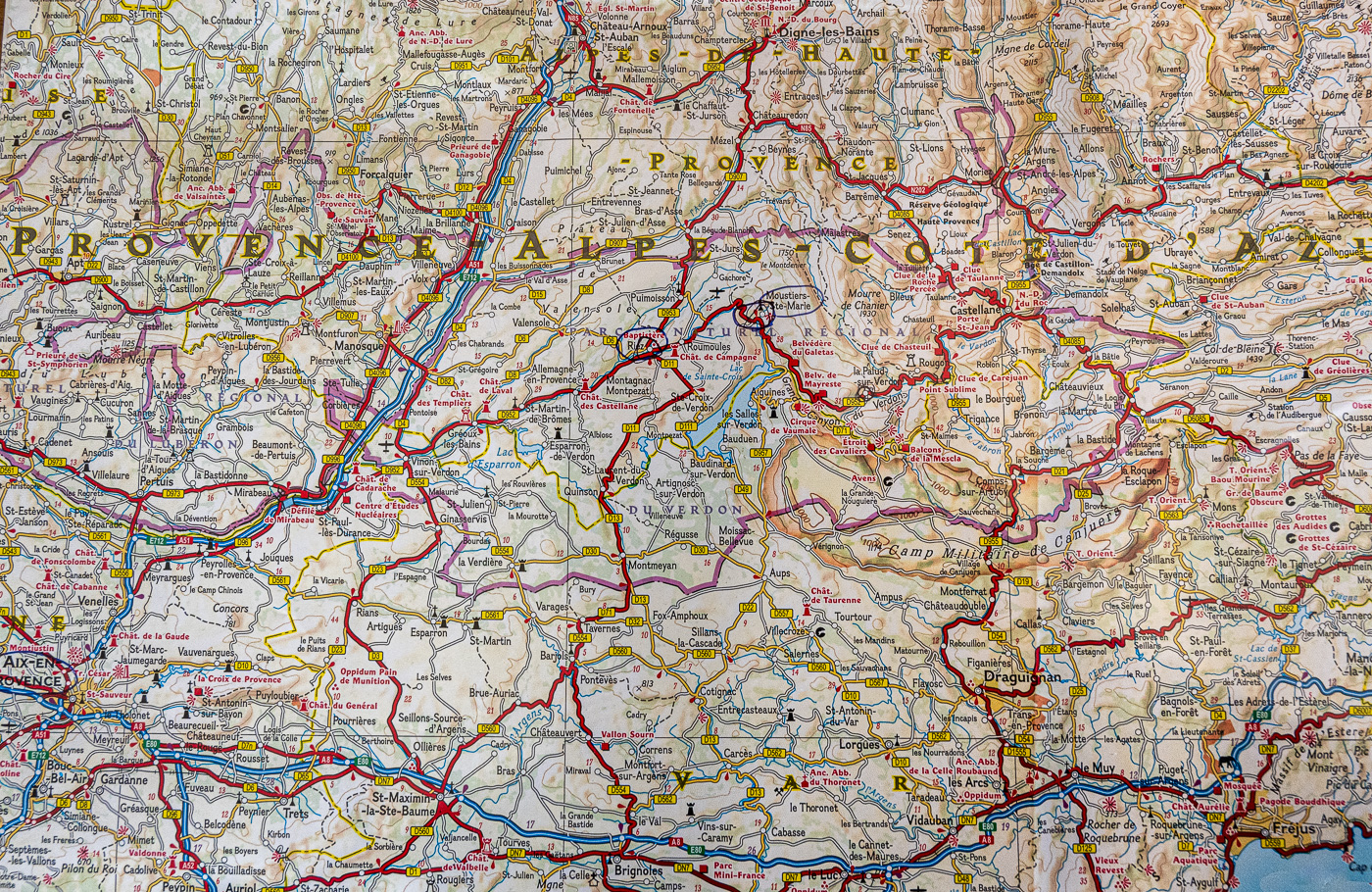
Apparently, some people blindly follow GPS directions. Sometimes leading to death. There are actually topics on the internet discussing death by GPS.
Maps
I am on record as an advocate of using maps when you are photographing or traveling. My position has not changed. I will be going on about a 3000 mile trip in a few weeks and I will go armed with maps for all the regions I plan to go through.
A quick summary of my beliefs on this is that GPS is for directions directly to a destination, when you only care about reaching the destination. Maps let us see possibilities. It shows points of interests and all the alternate routes to take.
If I am photographing or traveling for pleasure or exploration, I will use maps. If I am in a city and need to find my hotel, GPS.
 ©Ed Schlotzhauer
Death by GPS
There is actually a wiki topic on “Death by GPS”. It looks like rangers in Death Valley National Park coined the term. There are so many dangerous incidents of people getting in trouble by following GPS directions instead of using common sense that their web site says:
GPS Navigation to remote locations like Death Valley are notoriously unreliable. Numerous travelers have been directed to the wrong location or even dead-end or closed roads. Travelers should always carry up-to-date road maps to check the accuracy of GPS directions.
DO NOT DEPEND ONLY ON YOUR VEHICLE GPS NAVIGATION SYSTEM.
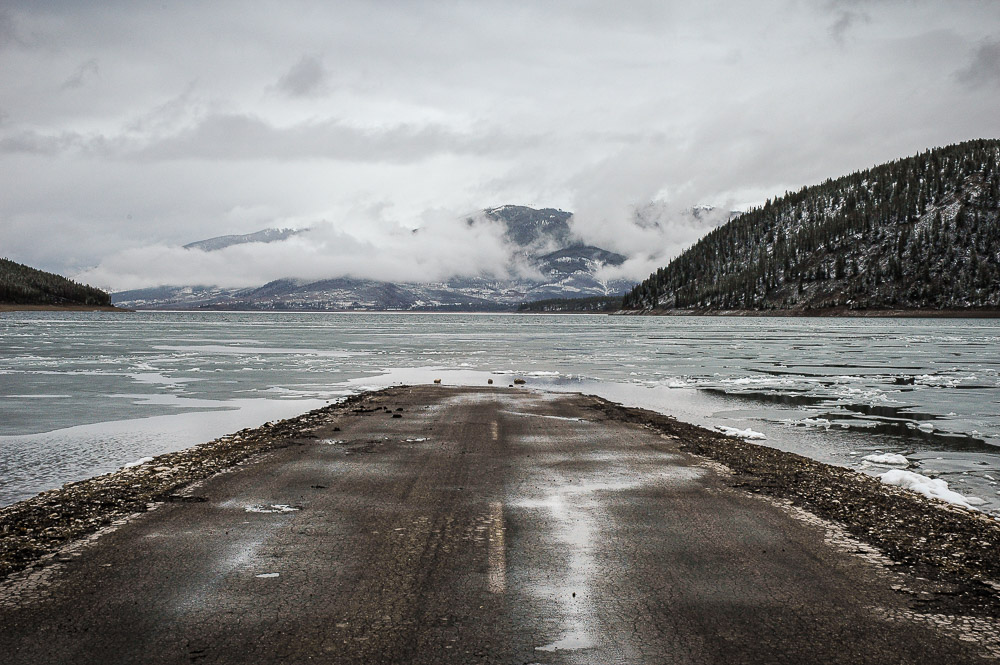
Drivers blindly following GPS directions have died of thirst and heat in the desert. Others have died trying to follow GPS directions to drive from an island to the mainland, even though there was no bridge. A North Carolina man died after being led by GPS to cross a bridge that had been out for 9 years.
Some have been taken on inappropriate back roads where they ended up getting stuck and were in bad shape before they were eventually located after searchers looked for them for days.
One story I like was the elderly woman in Belgium who tried to use GPS to guide her to her home, 90 miles away, but instead drove hundreds of miles to Zagreb, only realizing her mistake when she noticed the street signs were in Croatian. Having to stop to fill up with gas several times for the 90 mile trip did not register as a problem.
A personal example is from a trip to the Oregon coast. This was in the early days of GPS, before iPhones were common. We booked reservations at a restaurant across the bay from the small town we were in. The GPS in our rental car insisted that we must drive straight across the bay. It re-directed us that way multiple times as I ignored it. I finally turned it off, since it seemed determined to drown us.
A 2025 study examined how blindly following GPS directions can lead to dangerous, and sometimes fatal navigation errors. This study identified 52 fatalities and a number of serious injuries.
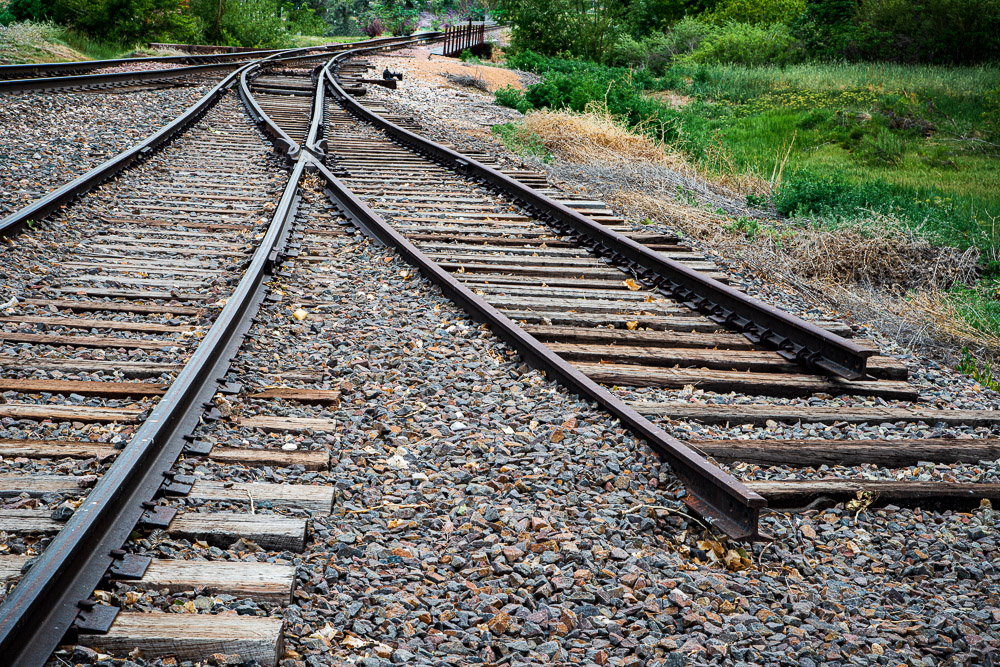 ©Ed Schlotzhauer
Online dependent
But the reports of people dying or being injured by following their GPS directions causes me concerns. Granted, some are understandable. Like in a storm after dark and you can’t see an unmarked bridge out until too late. But in general, it seems an outgrowth of the total dependence and unquestioning belief people now have on their mobile technology.
Statistics gathered in 2025 say Americans check their phone nearly 200 times a day. And they spend over 5 hours on it a day. 40% of people surveyed say they use their phones on a date. Nearly 30% report using their phone in the car. When I drive home tonight, I will see several people using their phone while driving, even though it is illegal in my state.
Technology is not bad. Being dependent on it to the exclusion of thinking, and relationships, and what is going on in “real life”, is.
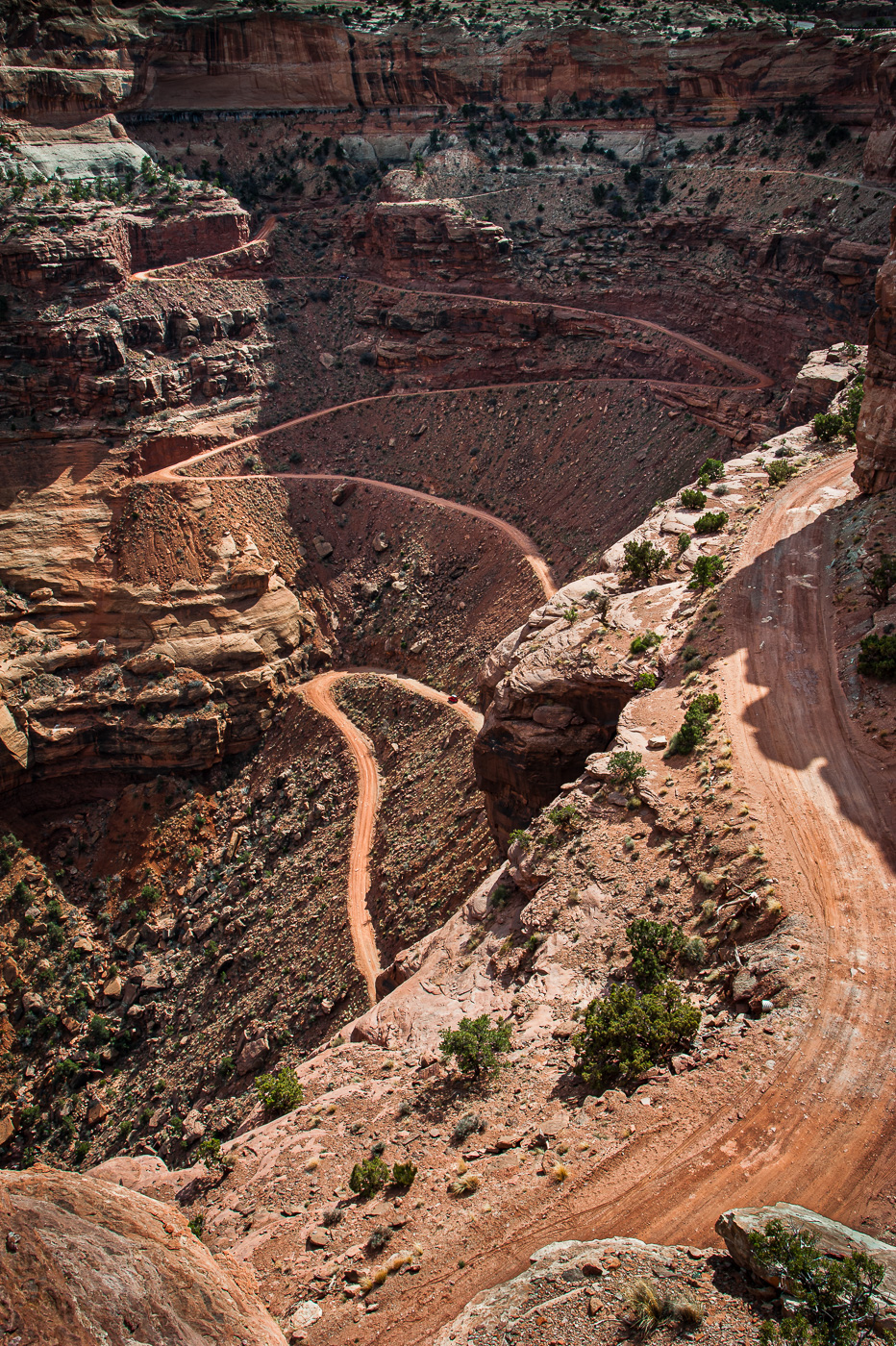 ©Ed Schlotzhauer
Use your head
The part of Death by GPS I can’t understand is, why did people trust what the computer said more than the evidence they could see? If the GPS says drive across the ocean when there is no bridge, doesn’t that cause a pause for reflection? If the GPS is taking you on a “shortcut” that is turning into a Jeep road, doesn’t it seem advisable to turn around and find another route? When it takes you on a road that would probably be good, except it is covered with a foot of unplowed snow, shouldn’t you decline?
This is a topic of scientific study called Automation Bias. It is “the propensity for humans to favor suggestions from automated decision-making systems and to ignore contradictory information made without automation, even if it is correct.”
Do not be a robot controlled by your GPS. You are a thinking, sensing, feeling human being. You are the one driving the car. That makes you the responsible one. Accept the GPS input as suggestions that you are free to ignore.
Before phones we had to think and learn to use tools like maps. Humans have not evolved away from being able to think. Not yet.
Do you want your obituary to say: “He died following his GPS, even though all the evidence was to turn around.”
 ©Ed Schlotzhauer
Mindfulness
From the point of view of photography and living a rich life, I believe mindlessly following GPS has other dangers besides serious injury. I have not seen a study, but from my experience, I believe that when we are being directed by GPS, we tend to narrow our focus to the road right around us. We become mostly oblivious to anything that is not interfering with our driving. We virtually become a robot being driven by GPS.
In a lot of my writing, I preach being mindful. Not is a mystical Zen sense but just paying attention. Being aware of what is going on around you. Quieting your mind and being receptive to what is there. Seeing things that do not register with most people.
This can be challenging going down the road at 70 mph, but it is not impossible. I often see something that might be interesting, but it takes a few seconds for it to register with my conscious mind, and I turn around to go back to see it. I do not have to contend with the GPS sternly telling me to “return to route”, because it is not on.
The routes I take are the ones I choose. If I want to wander off on a side trip, I do. My maps are showing me an overview of where I am and what options I have to get to the destination I want. My path is often not direct, but it is usually interesting.
 ©Ed Schlotzhauer
Take back control of your life
The author Robert Heinlein once said:
A human being should be able to change a diaper, plan an invasion, butcher a hog, conn a ship, design a building, write a sonnet, balance accounts, build a wall, set a bone, comfort the dying, take orders, give orders, cooperate, act alone, solve equations, analyze a new problem, pitch manure, program a computer, cook a tasty meal, fight efficiently, die gallantly. — Specialization is for insects.
I would add to that read a map and be able to look around and decide the GPS is getting you in trouble.
Technology should help us fulfill our goals and lead a better life, not turn us into mindless robots.
People are starting to see danger in letting AI run unchecked, but other technologies are equally sapping our responsibility. Resist. Defend your humanity. One small rebellion is to use maps for navigation on your next trip. Spend some time studying the map to see all the roads and towns, rivers and mountains. View what you see as an invitation for exploration. It is exciting to spread a map out in front of you and consider all the possibilities ahead.
I have convinced a few friends to try avoiding freeways and staying on secondary roads. So far, they say they like it better. It is slower-paced and they discover charming small towns. Perhaps they are just being kind, but I know it works for me. Add that to your travel plans.
But more important, take back responsibility for your life and for your attention. Retain control of your route. Recognize danger when you see it and don’t be afraid to change plans. Be the one to exercise judgment. And always look at everything. around you as a potential photo opportunity.
You’re an artist, not a machine being controlled by GPS. As a photographer, death by GPS, to me, means it makes me miss the awe and wonder all around me for the sake of being guided along the shortest and fastest route to my next destination. Emerson was right when he said, “It’s not the destination, It”s the journey.”
Get a map. 😊
Afterword
I spoke strongly to make a point. I recognize that I am presenting my personal position and preferences. You have no reason to adopt them, other than I can speak from long experience.
In summary, my points are:
- Blindly following GPS can be dangerous
- Maps are a tool for exploring. GPS is for getting to a destination.
- Mindfulness is important to photographers. GPS tends to block mindfulness.
Leave a Reply