
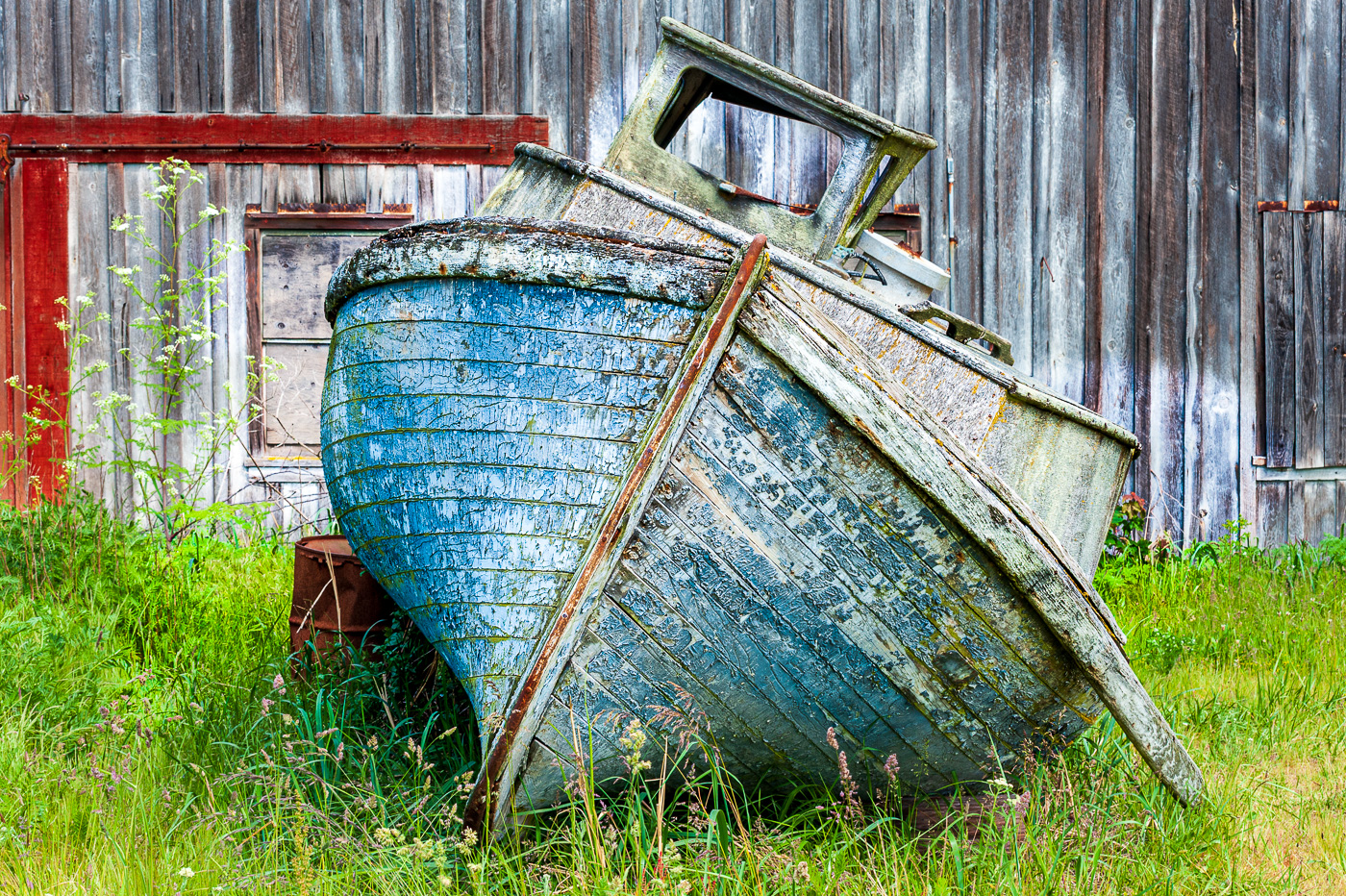
Documentary shots, or record shots, are something I have avoided for a long time. There came a point where I did not consider them “art”, and therefore, not interesting. I have changed some.
Documentary shots
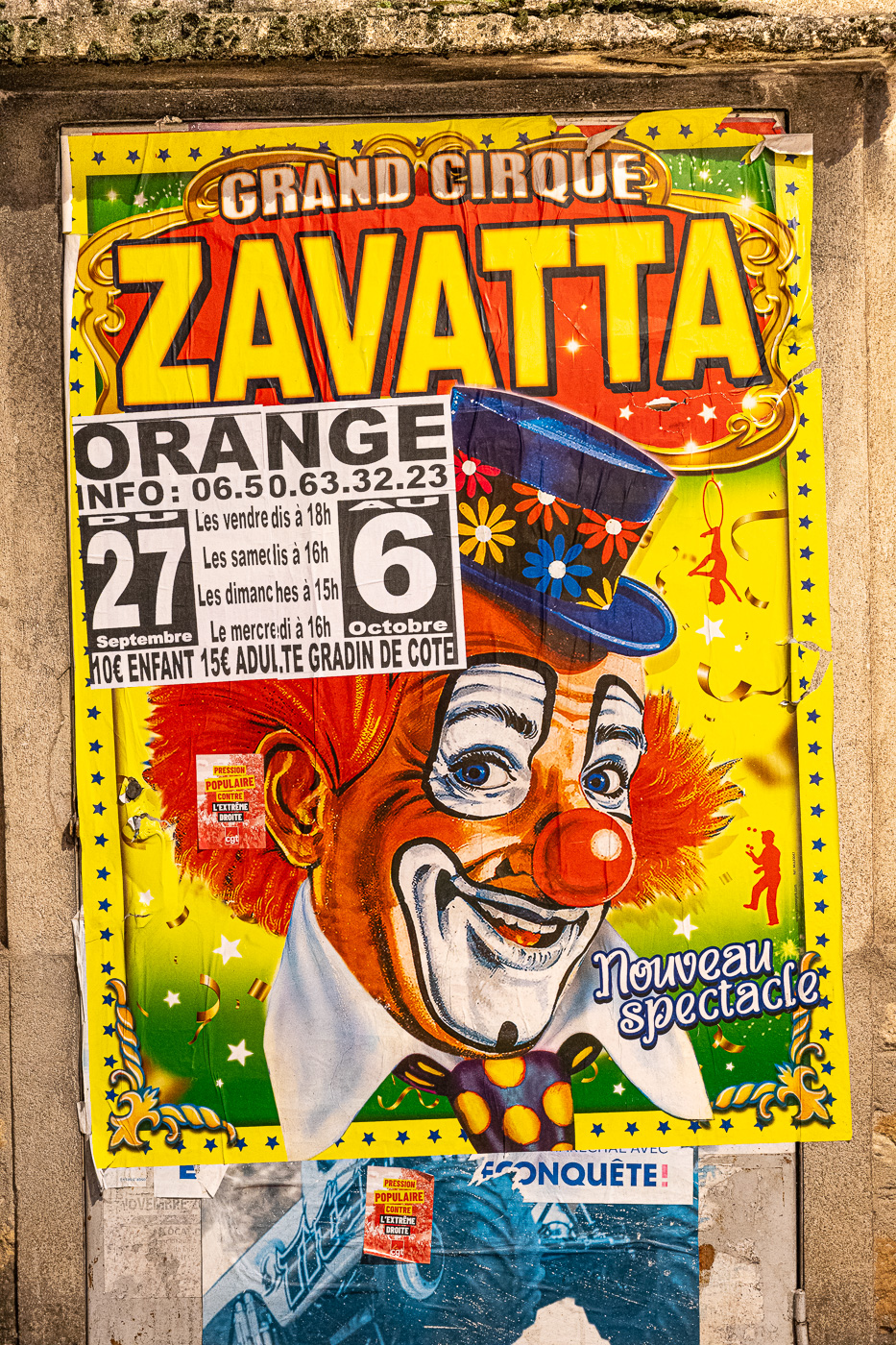
Documentary shots record a place or event or person. They can be excellent images by themselves. If I go to an iconic location, I probably shoot a few frames of it, just to remember it. Likewise, when I am traveling, I often shoot some images of a new place I haven’t seen before. Again, just to remember it. I have no thought of putting them in my portfolio. And when we shoot pictures of family or events, likewise, they are for the memory.
Sometimes I will shoot these with my phone, since they are not “serious” images. I may put careful consideration into the framing and exposure and composition, but they are not intended to be published.
 ©Ed Schlotzhauer
Art?
These are second class images to me because they are records of something rather than an interpretation of it.
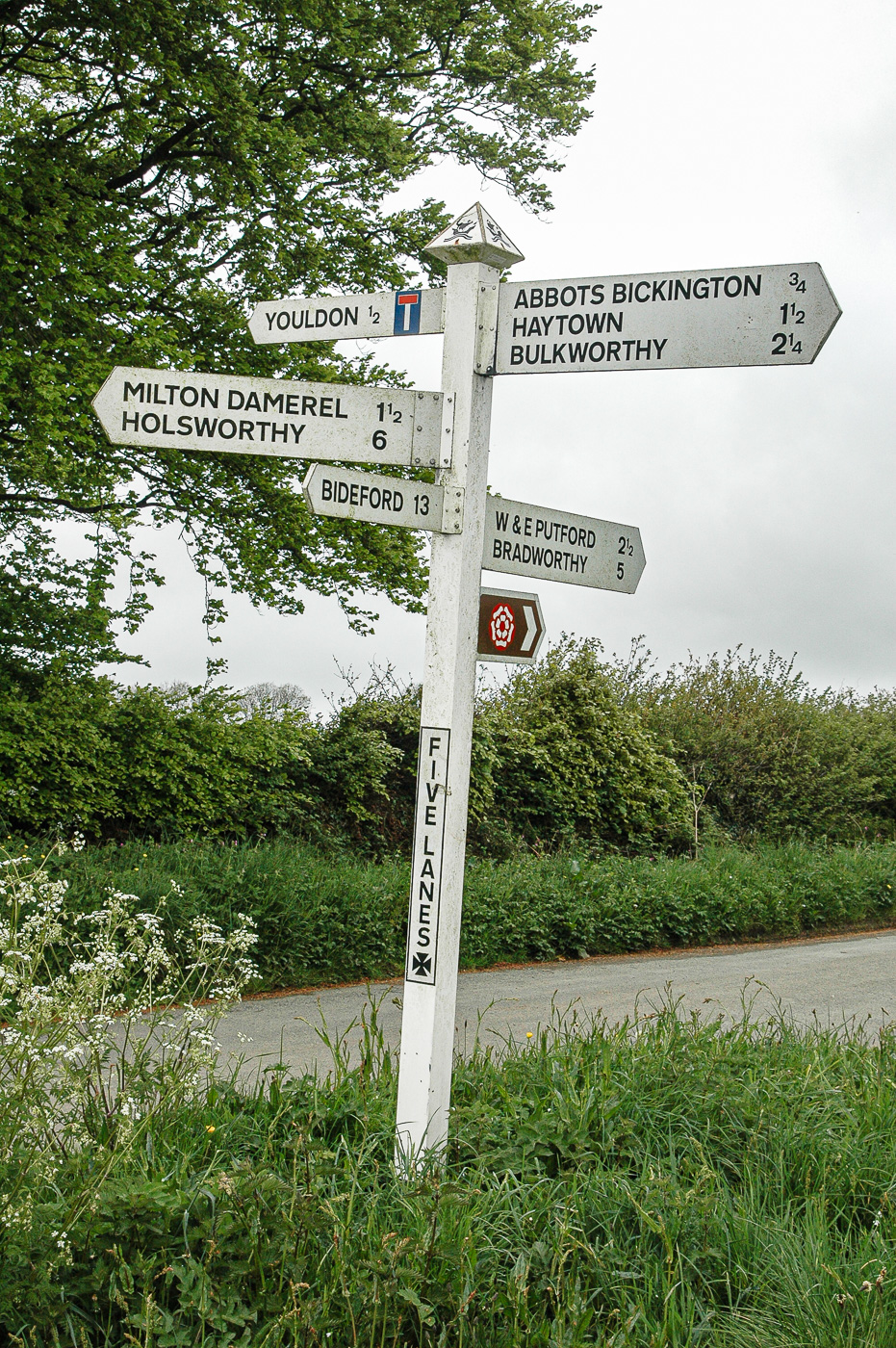
I consider that most of my work in at least the first 20 years of my photographic journey was record shots. We would go to some great location in Colorado, and I would have to photograph it all. The sweep of the mountains, the ruggedness of a Jeep road, mountain waterfalls and streams. All well exposed and sharp, but really just “I was here; look what I saw” shots. Mostly uninteresting, from an artistic point of view.
The term “record shot” became synonymous to me as boring and not artistic. That was probably an overreaction.
 ©Ed Schlotzhauer
Epiphany
Recently I had a mild epiphany. I have been studying American Civil War history lately. Somewhere along the way I realized that there is a wealth of photographs from the era. They are very impactful when they appear in a video or in a book to supplement the historical narrative.
It shows the people, the locations, and, sometimes, the horrible aftermath of battles. This is straight documentary photography. The equipment was large and the film speed was very slow, so they could only do tripod shots of people or landscapes. Things that sit very still. But I was seeing reality 160 years ago. That is impactful.
There was no consideration of AI fakes. They had little opportunity to be overtly dishonest. Of course, there are always the decisions of what is shot and what isn’t, where the camera is placed, and what is excluded. Those design elements were part of photography then as they are now.
But the hardy photographers back then knew they had an opportunity that never existed before to capture scenes of this war. It looks, from the images I have seen, like they were trying to be brutally honest. I believe this was the first time a war was extensively documented on film.
 ©Ed Schlotzhauer
Context
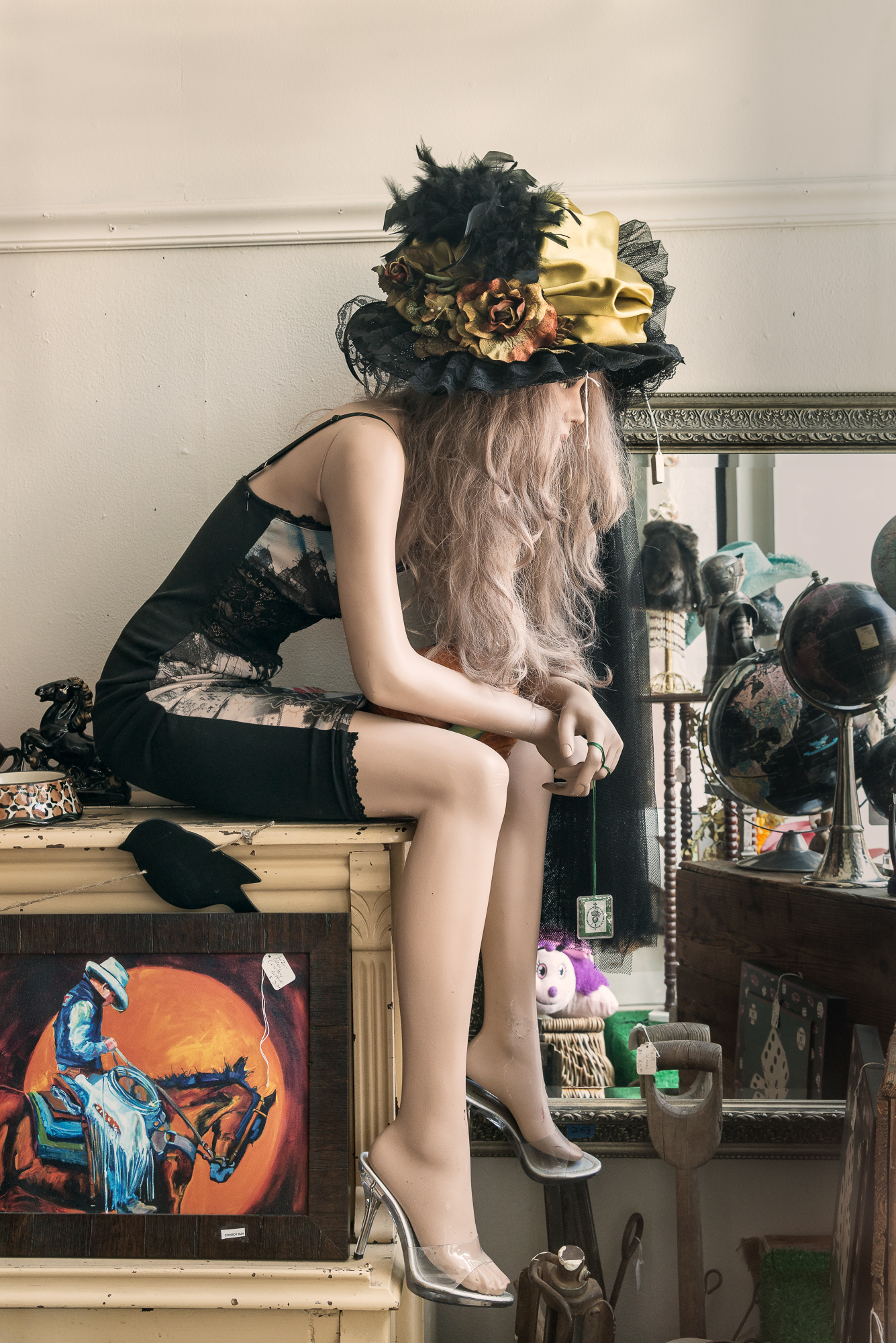
This got me rethinking record shots. Although none of the images I have seen would win any prizes today based on their composition or artistry, they are valuable evidence of what happened. They are records of history.
Being able to see portraits of Lincoln and Grant and Lee and Jackson and other leading figures of the time makes them much more real. Seeing Lincoln at Gettysburg just a couple of days after the battle is powerful. Images of the battlefields at the time helps understand how the terrain contributed to the battle plans. And a picture of the aftermath of a battle captures the devastating destruction and loss of life and suffering better than a simple narrative can.
Did these photographs become good just because they are old? That’s partially it. But it is more than just age. They became more valuable because they are records of scenes that are gone. They could not be taken now.
These old photos bring us realities of people and places and events that are past and can never be again. That makes them unique and valuable historical documents.
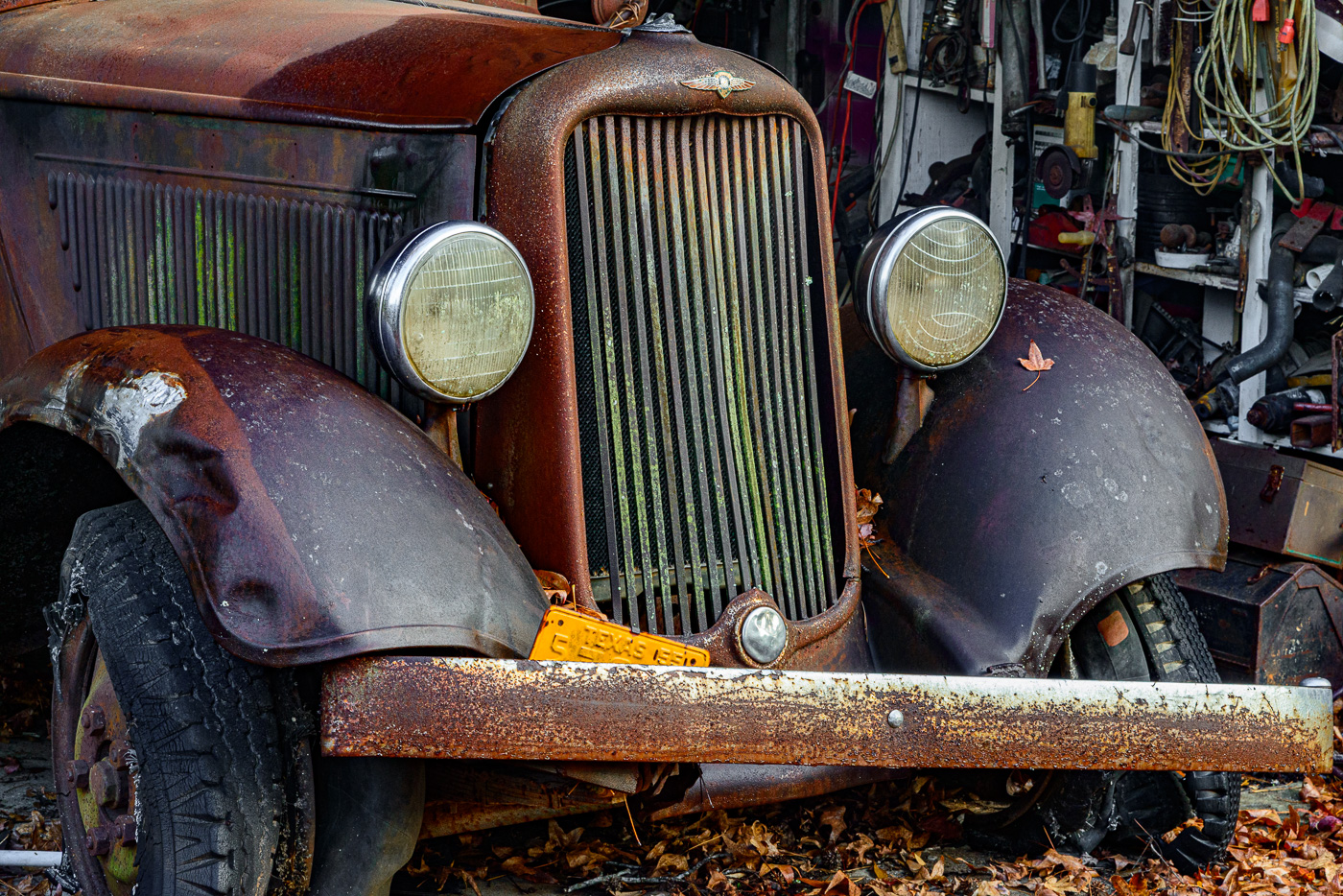 ©Ed Schlotzhauer
Eugène Atget
I was also reminded of a photographer I heard about one time named Eugène Atget. He photographed Paris street scenes and architecture in the late 1800’s and early 1900’s. It was a time of great change, and he recorded scenes that were disappearing.
Here is an example of one of his images in Paris:
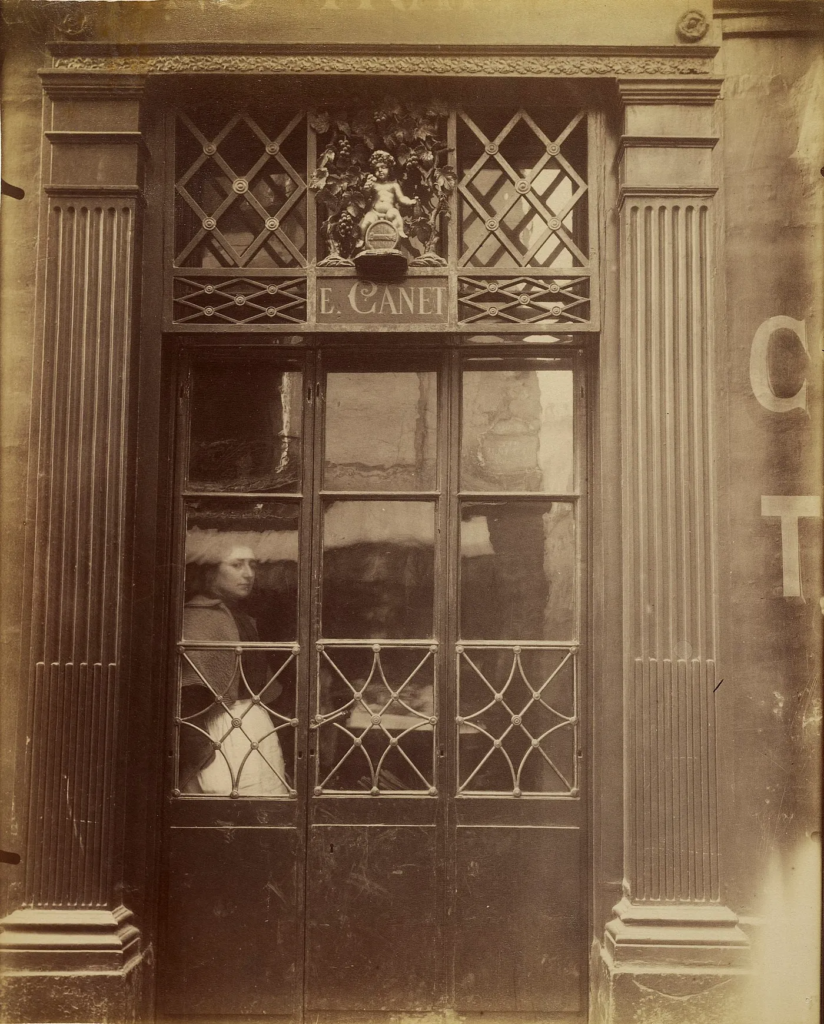
Storefront of Little Bacchus, rue Saint-Louis-en-I’Ile, Paris (1901). By Eugène Atget from Wikimedia Commons(Public Domain).
He was virtually unknown during his life. An American photographer, Berenice Abbott bought thousands of prints from Atget’s estate after his death. She exhibited them and built recognition and appreciation for his work.
After his death, Atget’s style influenced the American realist/documentarian movement of the 1930s and 1940s. He even became associated with the surrealist movement. Man Ray even used one of his photographs as a cover image for the surrealist magazine la Révolution surréaliste. Art galleries in the USA also paired Atget’s photos with surrealist art in exhibitions.
C.S. Voll, in a Medium article, says “He had been so immersed in his project to document Paris that he hadn’t been aware of how avant-garde the images were at that moment.”
Good idea
These have got me to thinking about the history I have seen and the historical documentation I have done. Cities grow and spread. Wheat fields are permanently destroyed by housing development. Climate change alters the landscape. Buildings are torn down and new ones built. Companies I have worked for no longer exist. Many people I have known are dead now. Opportunities that will never happen again. How many pictures do you have in your files that could not be taken now?
Is there value in the records of these happenings? There could be. For ourselves, if for nothing else.
I have decided to embrace “record shots”, shoot more of them, and keep them. I have witnessed many changes in my life. Some of them I have photographed. I wish I had shot more of them. While I do not expect any of these to make me famous or to start new art movements, I believe they have value.
Documentary shots are not necessarily second class to art. They are a different photographic expression. My primary intent is fine art images, but I now see documentary images as a valid and useful thing to do. Some of them can be art, too.
Leave a Reply