
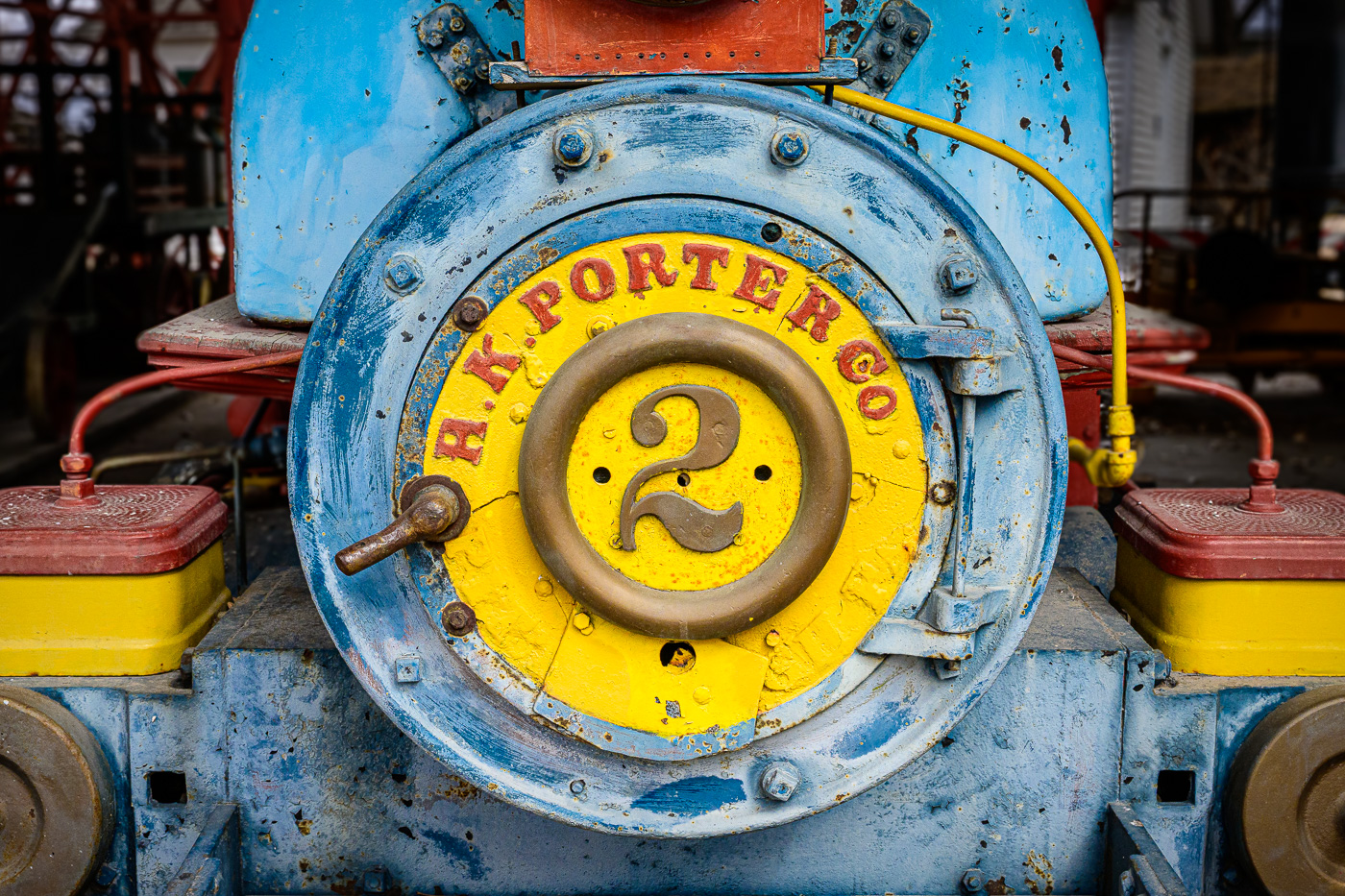
I love to explore. Wandering and discovering is a great joy to me. I like to find out where the road leads.
The road
The title is Where the Road Leads. This is not accidental. Most of my exploration now is near to roads.
Way back when I had a lot less miles on me, I enjoyed exploring “the wild.” Taking trails in the mountains or sometimes making trails where there were none was my preference (don’t tell the Forest Service or National Park Services). I longed to believe I had found places no one else had ever set foot on, photographing sights never seen. Sometimes, that was probably true;
Now, most of my exploring is on roads. I do my photography out of the car, with few long hikes. Age does that to us. I’m not sorry. I enjoy my current explorations as much as I did climbing mountains.
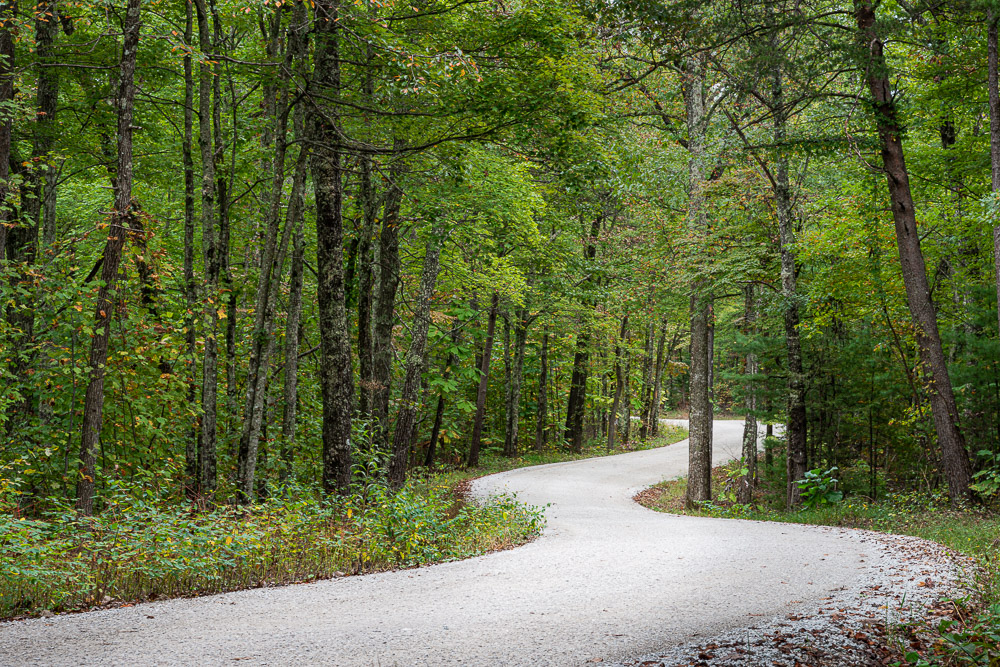 ©Ed Schlotzhauer
No agenda
A key to my enjoyment is carving out a block of time with no agenda. Being on someone else’s schedule kills my freedom.
It is hard to get immersed in my photography when I know a clock is ticking away my time. I feel pressured to go too fast and “run and gun” my shooting. under time pressure, I often convince myself that this scene is not “good enough.” I must hurry on to find a better one. Sure, there are magic light times when great shots seem to be everywhere, and I am in a photographic frenzy. But that is dictated by the conditions, not by a clock.
My wife and I enjoy taking river cruises in Europe. It is an activity that generally pleases both of us. But the time is structured. That is hard on me. I can sometimes step away from the group for a few minutes and shoot something interesting. But it is hit and miss.
A compromise is that we sometimes go a week or more early to give me time to free explore some new area. That has been awesome for my spirit and for my photography. Even if I don’t get portfolio shots, it is refreshing and puts me in a better mood for the cruise.
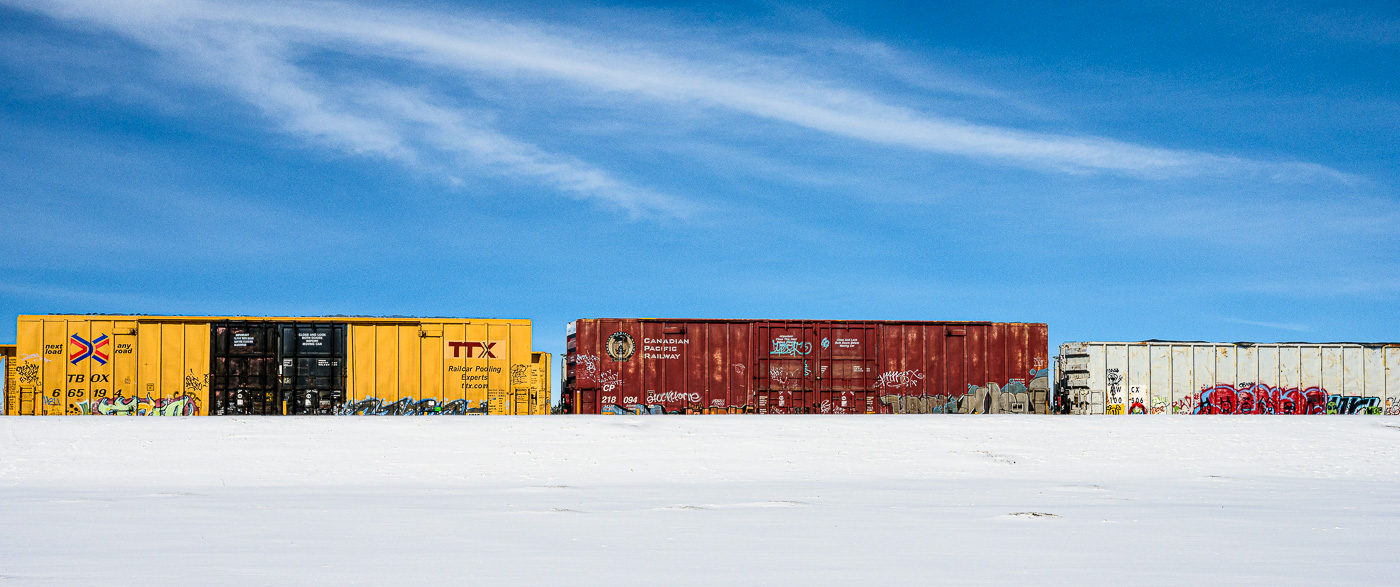 © Ed Schlotzhauer
Open to discovery
Just wandering is not the same as open to discovery. Some people wander when they are lost in thought or worried about something. This makes them inward focused and not open to discovery.
Being open to discovery is an attitude. It is based on curiosity and rooted in hope. Hope is a forward-looking attitude where we believe good things are yet to come. The attitude of discovery tells us there are interesting things around if we are sufficiently open to find and recognize them;
I have always had this attitude to some extent, but at one period in my life I got some good training. Once upon a time, we owned a timeshare. This was back when they were a pretty good deal. It was very good for us for several years. We had a premium week – prime ski season in Colorado – and we could trade it well. We always traded.
But we discovered there was an unexpected side to the transaction. We traded for a week somewhere. They were nice places. Usually a golf resort way out in remote areas. After we saw the obvious sights, we were stuck with what to do with the rest of the week. I don’t play golf.
We developed an active exploration ability. I don’t think there was any location where we didn’t fill up our time completely and were sad to leave after only a week. I typically would get the best map available and would try to find remote, out of the way sights. Or even just the roads less traveled. It was wonderful.
The few years we did this was excellent training in learning to be open to discovery.
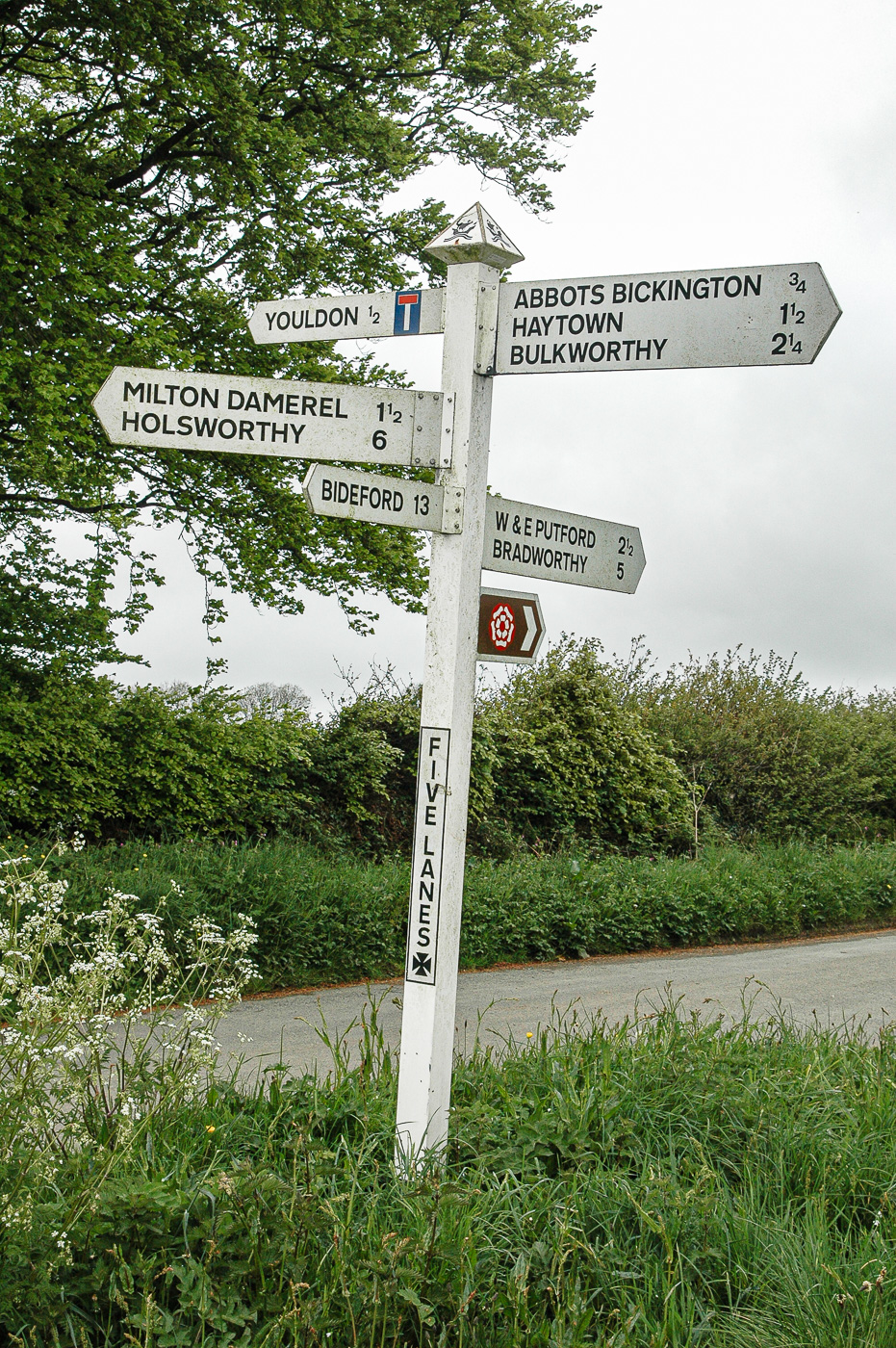 ©Ed Schlotzhauer
Stop and look
But even looking and recognizing interesting scenes is only partially useful if we are zipping by them at 70 mph. Convince yourself it is OK to stop. Even to turn around and go back. This is a hard sell in our modern, fast paced world. There might be wails of protest in the car.
Too bad. They won’t die. Interesting discoveries are worth spending some time.
Go actually look at it. I’m not talking about jumping out of the car, shooting a selfie by something, and zooming off. Spend some time. React to it photographically. Let your creativity play.
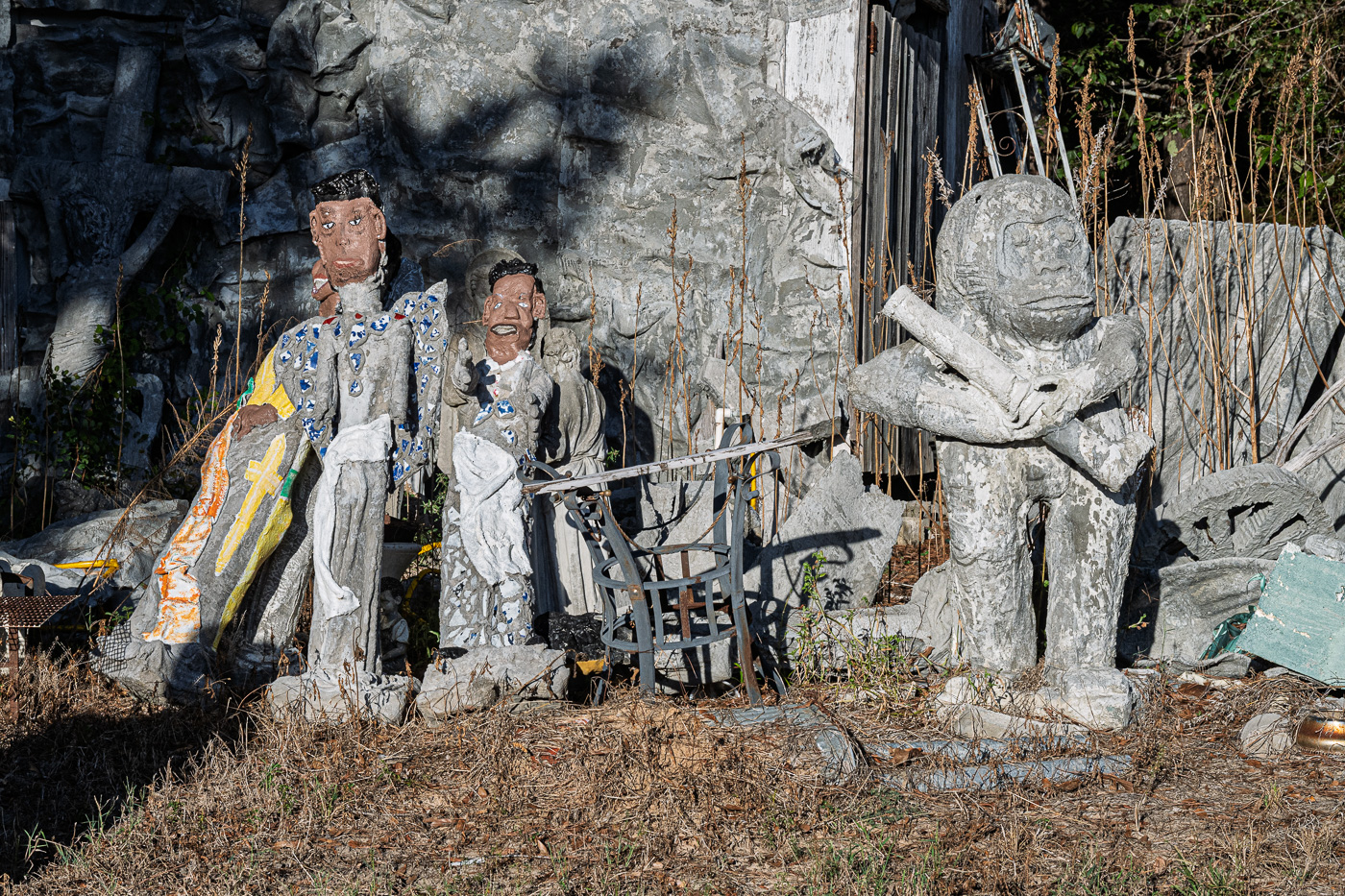
You may have come on some historical place you didn’t know about. Or an overlook opening a sight you had never seen. Maybe it is just a little out-of-the-way museum or gift shop or an art display in someone’s front yard.
Stop. Spend some time. Enough to contemplate it a bit. It can take some time to let some discoveries sink in. You spent the time to discover it, give yourself some time to take it in.
 ©Ed Schlotzhauer
Paying attention
As Peter Cripps eloquently put it recently, it is not necessarily about the photographs. The act of paying attention is more important. Creatively putting ourseves into the artistic process of finding a photographic subject, capturing it well, and editing and perfecting it feeds our artistic spirit.
In some cases, we don’t even care about the final image. I have tens of thousands of images that I never look at and will never show anyone. But I feel they were useful to me to make them. And maybe to keep to remember an event or a place or where some road took me.
 © Ed Schlotzhauer
Where the road leads
It is important to me to find out where the road leads. To follow it to places I have never discovered. But why?
I believe this is an attitude and act of curiosity and creativity. I believe it helps to keep my mind active and growing. And in my photography, I greatly prefer interesting pictures of places no one had ever paid much attention to instead of overworked images of classic icons. It keeps me fresh. It is why I pick up my camera and go out to shoot.
Slow down. Block out unstructured time to explore and shoot. Follow roads you have never traveled before. Stop when you see something interesting. This is art.
Leave a Reply