An artists journey

Category: Curiosity

  • Shoot What Interests You

    Shoot What Interests You

    Should we shoot what we are paid to do, or what we love, or what interests us? Yes, probably all of them. But perhaps the most important thing is to shoot what interests you.

    Motivation to shoot

    We are motivated by different things at different times. Everything from paying the bills to self-actualization are motivators. We must bend to the circumstances.

    When a client is paying you to create a shot, we have to rise to the occasion. We give it our all, even if our heart is not in it. Chances are we are not in love with the product they want to sell. The executive’s head shot is probably not our idea of the pinnacle of creative artistry. And this wedding. Well, maybe we would rather not be here.

    But if we receive money for it, we must give good value to the client and make them happy. Paying the bills is often a motivator.

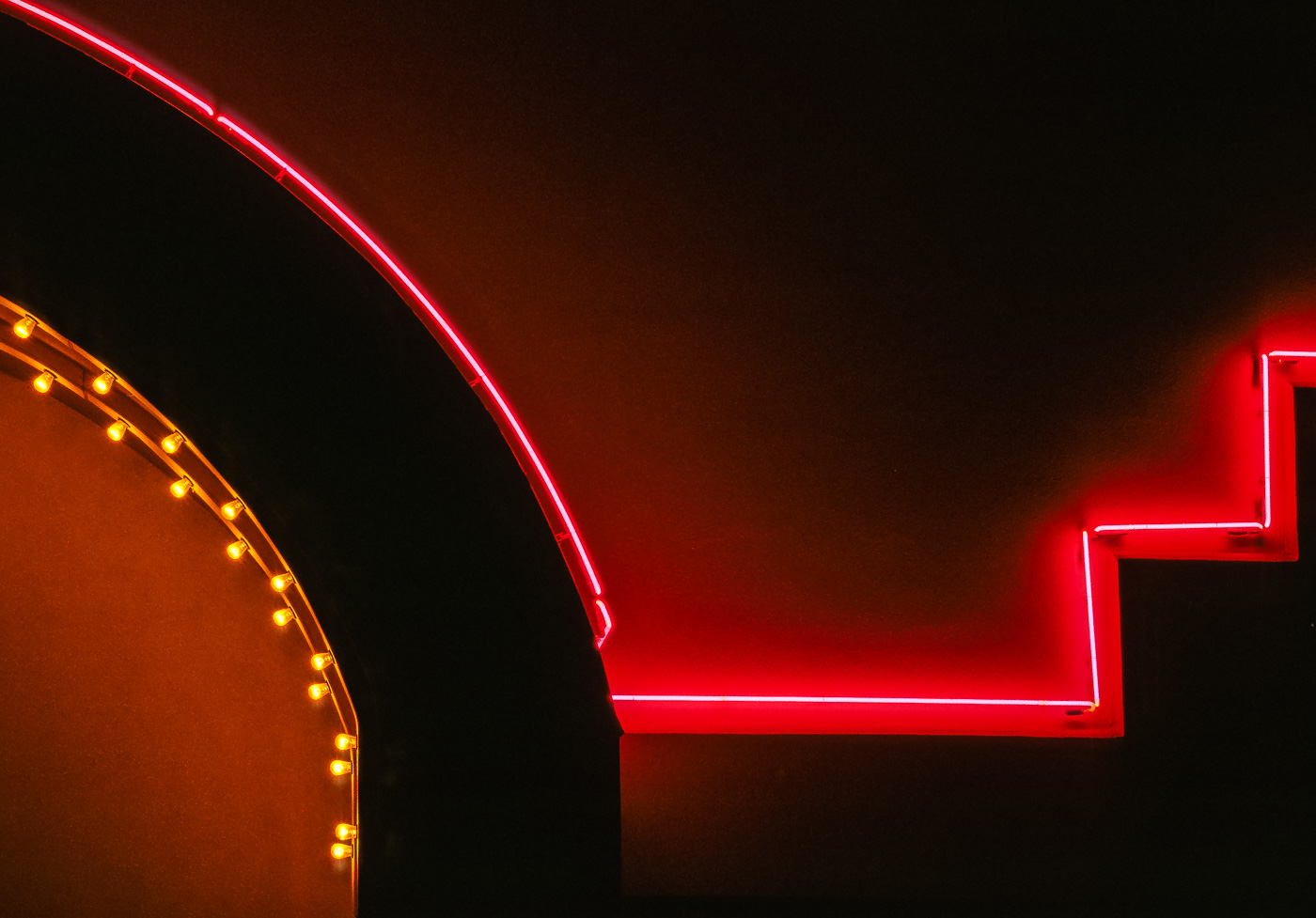
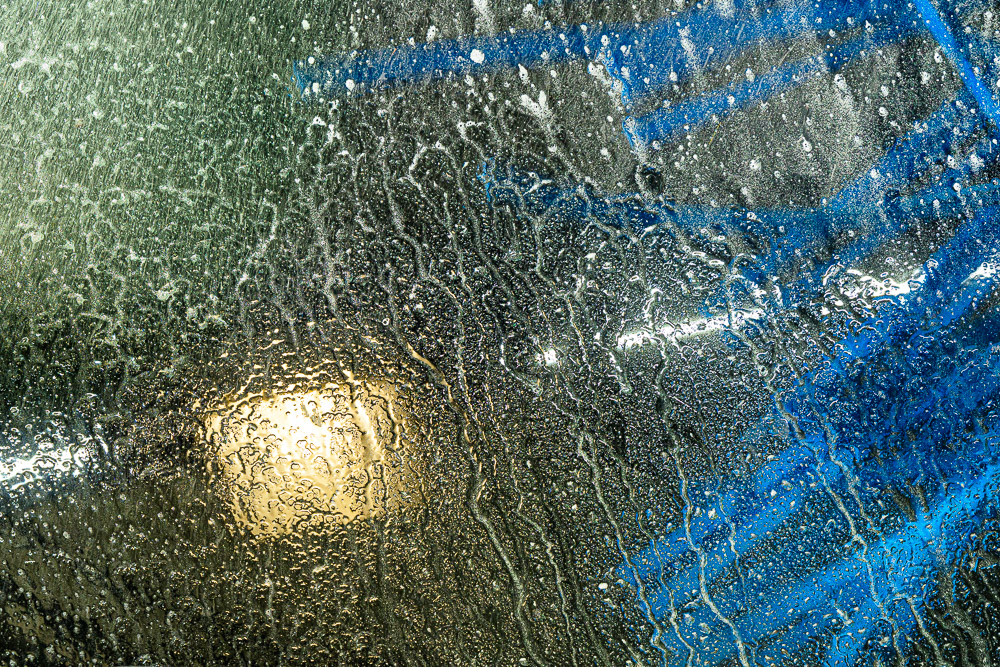
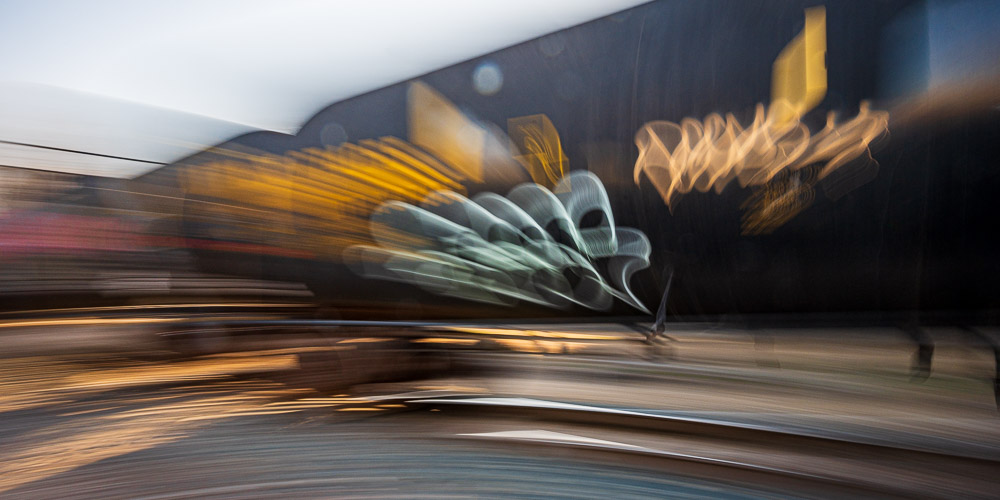
    Neon and incandescent abstract at night©Ed Schlotzhauer

    What we love

    It is often said that we should shoot what we love. I have probably said it. I agree in principle, but there are other considerations.

    What we love may inspire us. But long term, we could trap ourselves. We can get burned out on a subject. We still love it, but at some point, it does not challenge us anymore. It is easy to get into a rut. Doing the same things over and over with little new thought. See it – shoot it.

    This becomes a comfort zone trap. It becomes too easy and safe. We may believe our favorite subject is the most beautiful thing there is. But if we run out of things to say about it, our images get stale.

    This happens sometimes with “experts” in a field. They become more interested in protecting their position as expert than they are about learning new approaches or even contradictory ideas. We can sort of build a mental fort around our thoughts to protect ourselves from being challenged.

    I see this myself with 2 dispirit things I love to shoot: landscapes and stained glass. I live in Colorado. Rich sources of landscape opportunities are all around me. But as time goes on I find it harder to create something new with them. Similarly, I am drawn to beautiful stained-glass windows. I can’t help but shoot them. But I recognize when I am doing it that this is the same old record shot of a window. It is very hard to find much new to say about them.

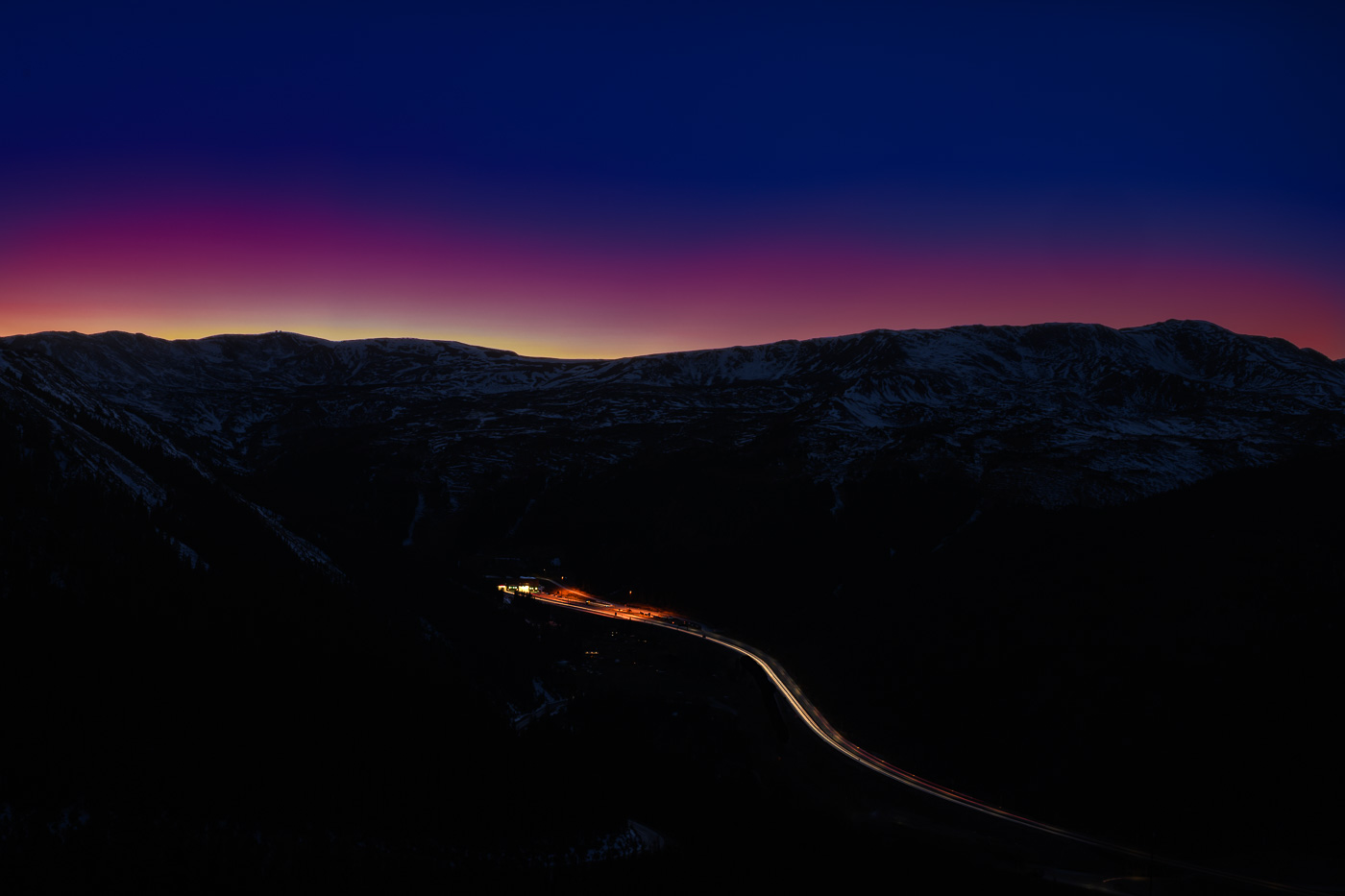
    Tunnel through the mountains©Ed Schlotzhauer

    What interests us

    I have come to believe the greater motivator is to shoot what interests us. This may not be what we think we love.

    More and more I believe that our curiosity is a searchlight that will lead us to challenging and creative new work. I love a phrase from David duChemin: “Go in the direction your brain is already running.” This beautifully captures the idea that our interests and our curiosity is pulling, nudging, directing us forward to new things. We just have to follow. And marvel at how we got there.

    He points out that this might take us far from what other people are doing. But that is great! It lets us play in exciting new areas that other photographers are not trampling all over, working to death. Our curiosity will lead us to areas that are uniquely our own vision.

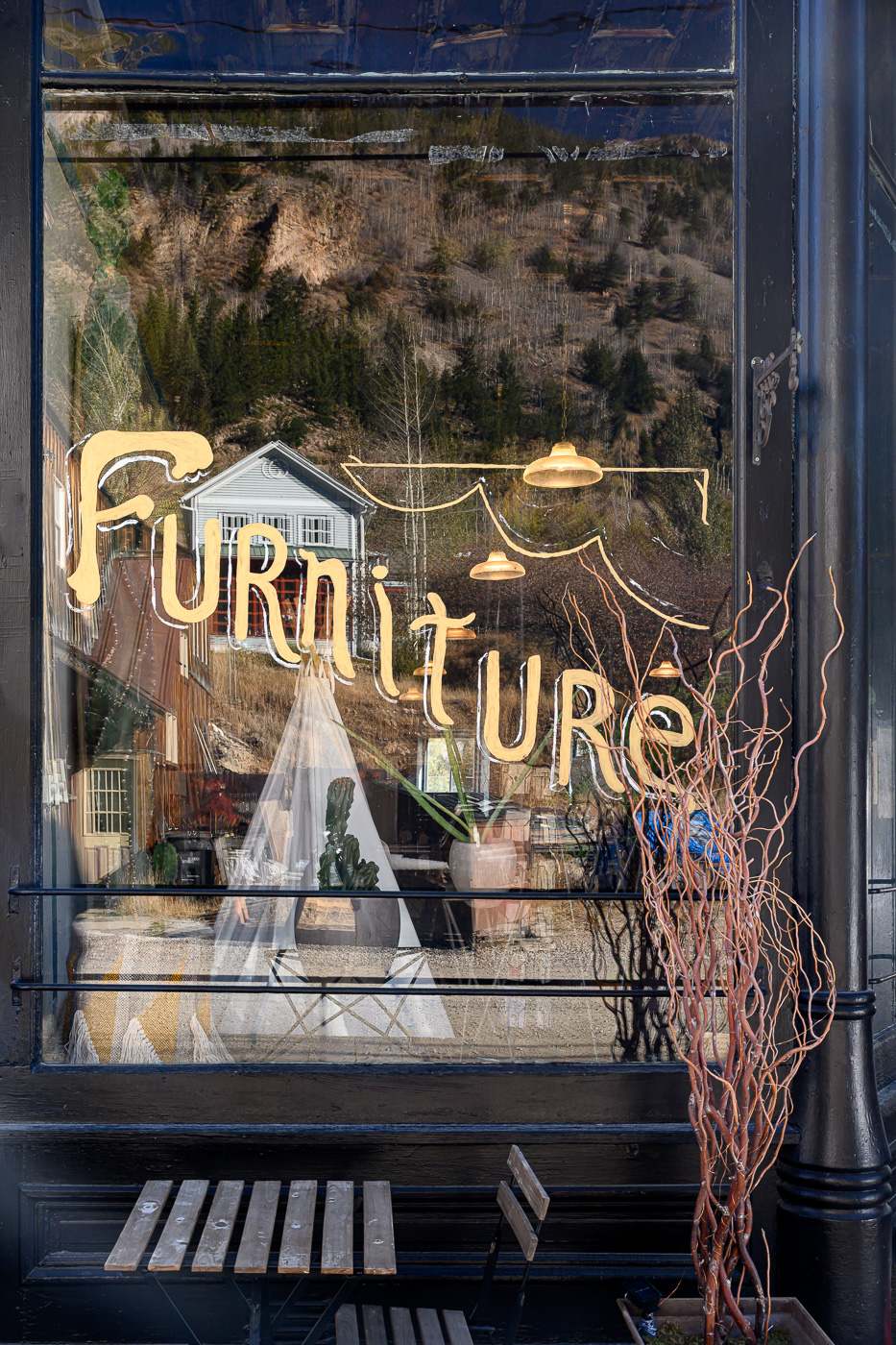
    Antique reflections©Ed Schlotzhauer

    Practice

    Everyone is naturally curious as kids, but it seems to be squeezed out of us as we “adult”. But we can relearn. it. How can we practice being curious? Easy. Let go and don’t try to force it. Ask yourself questions.

    Curiosity is our brain making connections between things and asking questions to learn more. The more sources of connections we have, the better that works. We must encourage the questions.

    One way to learn about curiosity in practice is to be around a 4-year-old. They have questions about everything. Many of their questions are things we might wonder about but wouldn’t ask because we are too “mature”. That’s the advantage of the kid. They feel free to ask any question. Imitate that. Ask the questions, at least in our head.

    And since curiosity is about our brain making connections, it helps to feed our head, Dabble in all sorts of different things. Get a little information on everything you encounter, even if you don’t think you will be interested in it. No telling where that path will take you or how that random bit of information may emerge later.

    You know that Google makes an extensive dossier of you based on your searches (don’t use Google search). Be so eclectic that their algorithm gives up on you because it can’t pigeonhole you.

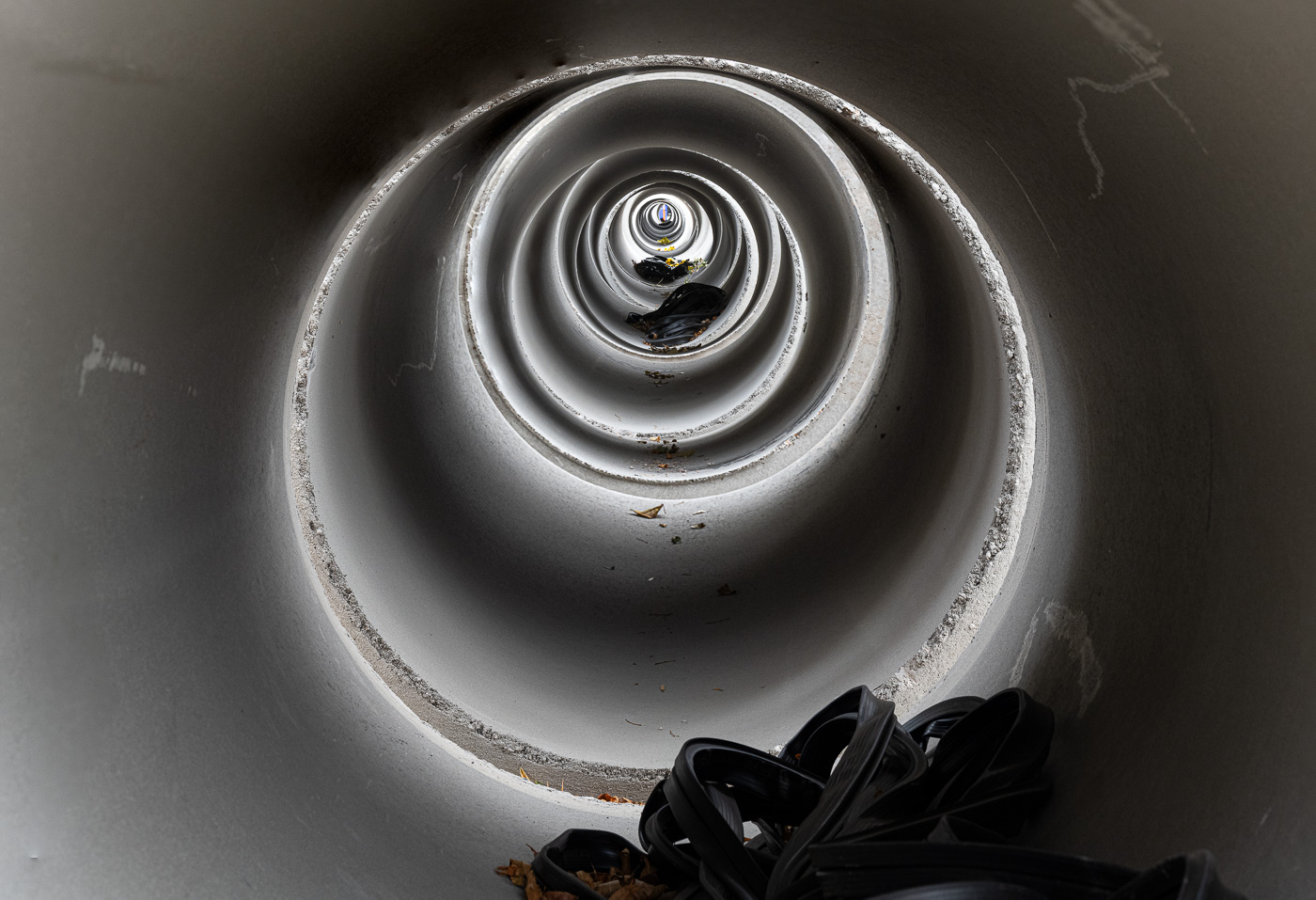
    Going around in circles©Ed Schlotzhauer

    Challenge

    Creativity needs challenge. Without challenge, it will atrophy. Staying in a safe comfort zone does not challenge us. This is why I believe it is important to shoot what interests us. When we are shooting pictures, always be asking “What if…?”

    Our interests are fluid. They shift and move to new ideas as we learn and think more. And if we accept the challenge to experiment with those ideas, we can see new things in even the common things around us.

    Following our shifting interests keeps us fresh and challenges us with learning and adopting new viewpoints. It is based on our curiosity rather than a particular subject.

    Always be curious. Always be asking questions. And give yourself permission to follow your curiosity. No one is stopping you except you. Follow your curiosity and shoot what interests you.

  • How Did You Think of That?

    How Did You Think of That?

    Most of us are not limited by our knowledge or our equipment or our environment. We are limited by the boundaries we place on our imagination. The question is not “how did you do that?”. It is “how did you think of that?”

    Self-limiting

    Maybe it is harsh to say we limit ourselves. But I have come to believe it.

    I have gotten a lot from a quote from my friend Cole Thompson:

    Many photographers will see an image they admire and ask: how did you do that? They want to know the techniques used, thinking that once they know those, they could create that image.

    The question they should be asking is: how did you think of that?

    Do we tend to follow what other people do, or do we create our own path? I believe we are afraid because we are not confident in our own creativity. It is safer to imitate.

    In a canal©Ed Schlotzhauer

    Equipment

    There are many excuses for our perceived limitations. One easy one is that my equipment is not good enough.

    Photographers seem to lust for new equipment. If I had a medium format camera I could … That new super zoom lens would let me …

    I understand. I have equipment lust like anyone. But on the other hand, I have come to believe that if you hand a Brownie box camera to a good artist, they will make good images. They will embrace the limitations and use them as part of the art.

    This tells me that, in general, equipment is not the fundamental limitation. There may be specific situations that require certain technology, but artistry is independent of technology.

    So, I don’t think I can use the excuse of not having good enough equipment. What I have is perfectly adequate to make art. I just must learn how.

    Hand held, old digital camera, estimated metering.©Ed Schlotzhauer

    Knowledge

    Learning how brings up the excuse of not enough knowledge. I understand. I am a constant learner. Almost everyday beings a new video or article or book I consume to learn to be better. I have hundreds of hours of videos and a library of books. Photography is more closely aligned to technology than most other arts, and it is supported by huge amounts of training material.

    But I also know this can become a crutch and an excuse. When will you get to the magic threshold of knowledge required to be an artist? Sometimes needing more study becomes an excuse for being afraid to go out and do it.

    Again, I know. I’m talking to myself, too. I get caught up in this. Today I watched a presentation on photographic abstraction, including techniques for in-camera multiple exposure and intentional camera movement. It was educational and motivating. But I didn’t immediately go out and apply it. And if I was not an artist before seeing it, I still could not call myself one after it. Maybe the amount of raw knowledge is not the key. We do not become an artist by a certain amount of training or a degree or certificate.

    Don’t get me wrong. I am a strong believer in learning. Our tools are complex. And I believe that the more examples and points of views we have seen gives us greater fluency with our art. But as an artist, the knowledge must be internalized, then re-expressed in our vision. If we are studying but not doing it, we are not making art.

    Looking through clock, Musee Orsay©Ed Schlotzhauer

    Environment

    I get stimulated and energized by travel. I am lucky in getting the opportunity to take a few trips a year. The places and things I see while traveling seem newer and more interesting than the stuff where I live.

    But travel is a bonus, an extra stimulation. The reality is that I spend most of my time around home. I must discipline myself to see the ordinary things around me with fresh eyes.

    Don’t fall into the trap of feeling like you can’t make any interesting images because you do not have the chance to travel to exotic locations. Great photo opportunities are everywhere if we learn to see them. This is the type of mindfulness I recommend. The ability to see the ordinary with fresh eyes.

    I live in a relatively small town along the Colorado front range. But I seldom take a day to go into the mountains. Almost every day, though, I go out and walk a few miles, starting from my studio. I try to vary my routes, but there are only so many directions I can go.

    This means I see the same areas frequently. Finding something interesting that I haven’t seen before or that looks fresh and different is a challenge. But it is a challenge I have accepted as a test of my creativity. I have been doing this for years and I can still find engaging things.

    Time shift, ICM, intentional blur©Ed Schlotzhauer

    Imagination

    This may seem to have wandered far from the question of “how did you think of that?” My point is that our art is not limited by our equipment or our training or our environment. Our limitation is our imagination. Can we look at something that everybody sees all the time and see it different? Can we think something new?

    That is a problem, but it is a good problem. If the limitation is in our head, we have some control of it and can fix it. Or at least make it better.

    I believe an important step is reclaiming the curiosity we had as kids. Remember that curiosity you had, or your kids had? Why is the sky blue? What is the moon made of? In the olden days, was everything black and white?

    Curiosity like this leads to asking “what if?” questions and to looking at the world different. We can begin to think of new ways to photograph, new ways to see things. The same thing we have always seen may be perceived in a new way. Answering the questions is less important than that we were able to ask them. The questions challenge us to look again and deeper.

    So, maybe, to be a better photographer, I don’t need the latest equipment (bummer), or more training, or a trip to New Zealand. Maybe I just need to re-learn how to ask interesting questions. To be curious about everything. And to not be afraid to ask ourselves “what would happen if…?”

    Try it. Be a kid. Follow your curiosity. Make mistakes and enjoy them. Don’t imitate other people. Create something no one else has ever seen.

    As the great Jay Maisel said: If you want to make more interesting pictures, become a more interesting person.

  • Shoot It Now

    Shoot It Now

    Shoot it now. If you see it and like it, shoot it. It may not be the same later. This moment is the most control you have.

    Conditions change

    The world about us is in constant motion and change. The light, the weather, what people are doing, how things are arranged, even our attitude. Things are different all the time. We must give ourselves permission to take advantage of what we find when it is there and right.

    It is too easy to say: “that’s nice. I will plan to come back and shoot that scene when I have time.” But we’re not in control of events. When it is convenient for us, everything else may be wrong. My experience is, it likely will be so different that we will lose interest in it.

    Or have you found conditions to change quickly, but you were able to take advantage of it? Maybe you were at a location you like, trying to make a good landscape. Except conditions were not helpful. Perhaps it was cloudy and rainy, and the mood was not what you hoped for. But you stayed there seeing what you could do, and, for a moment, the clouds broke. A golden sunbeam poured through and spotlighted the subject you wanted. It was magic.

    The whole look and feel of the scene changed in a blink. And then it was gone in seconds. You had to shoot it right then, in those few seconds when conditions were optimum.

    When we find a subject we like in conditions we like, we better shoot it right then. It may never be the same.

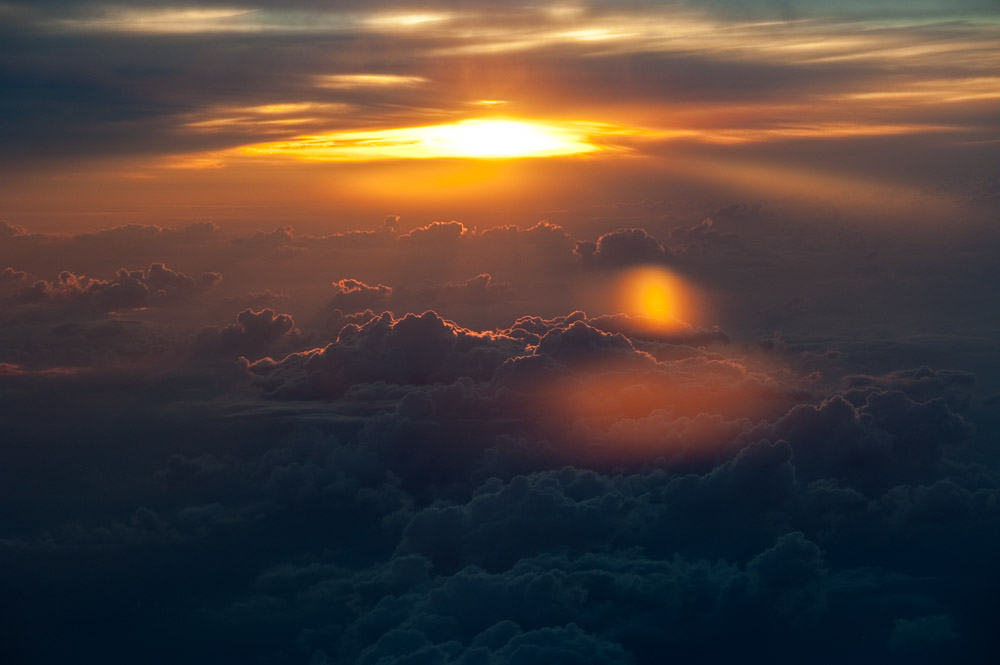
    40,000 ft sunset©Ed Schlotzhauer

    Nothing is permanent

    When something has been there for a long time, it is easy to take the attitude that it will be there forever, so we can shoot it at our leisure or when conditions are spectacular.

    Maybe. But maybe not. We do not control circumstances and other people’s decisions.

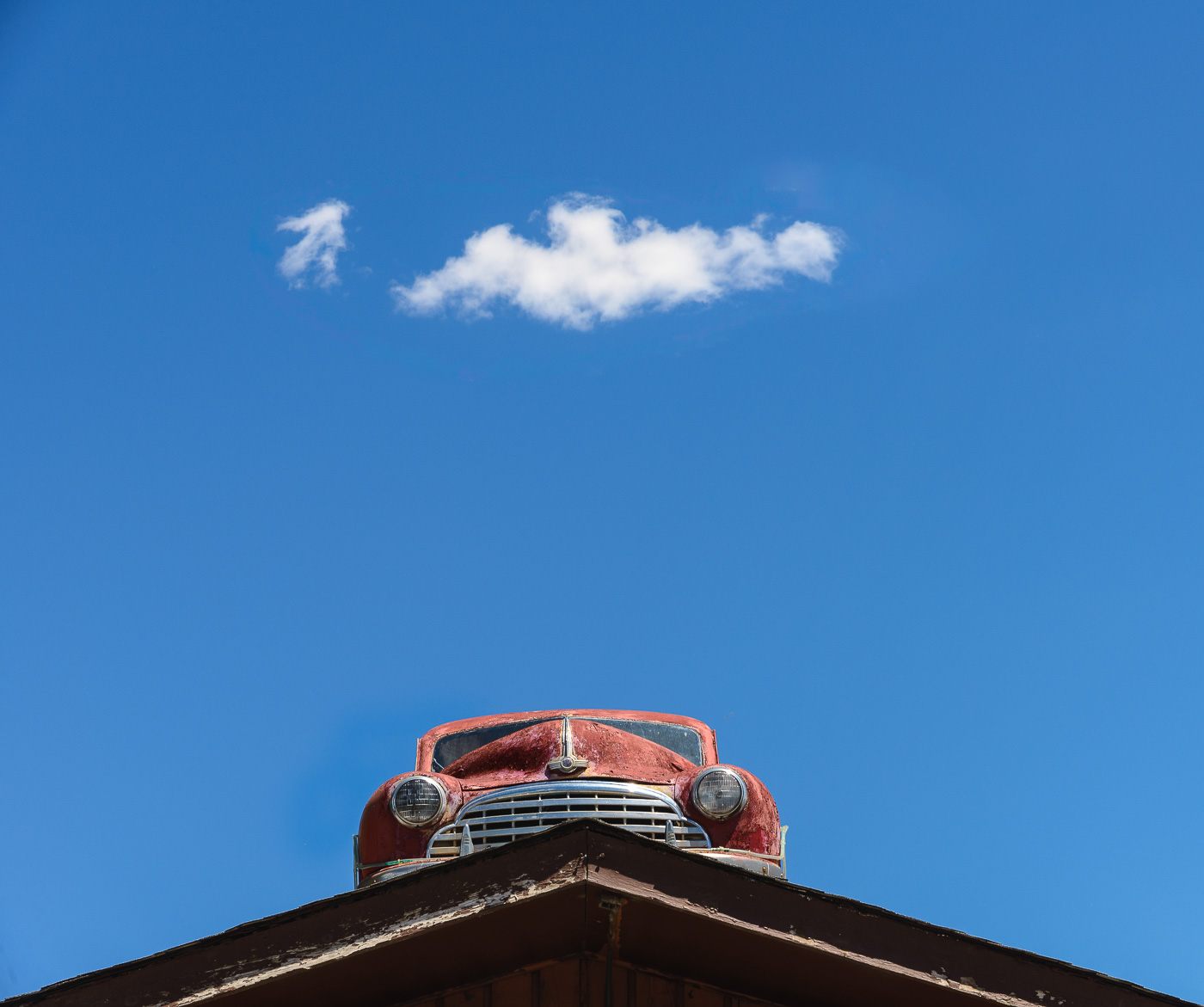
    This image at the top of this article of the car on a roof is an example. I shot it at various angles and conditions for years. It was always there as an exercise to work on. Until one day it was gone. I didn’t pass by the location for a couple of days and next time, the car was no longer there. I can never shoot it again. All the future shots I had envisioned for finding certain weather or light are useless now. I have to be content with the ones I have, that I took the time and effort to shoot when I had the chance.

    In the same way, that interesting railroad track fragment in the next picture was evocative to me and a metaphor for several ideas. But it does not exist anymore. It was removed

    Another example, at the other extreme, last week we had a heavy rain – rare here. I walked a new trail the next day and there were a couple of places where dirt had washed across the path, making interesting patterns. That is something that interests me, so I shot a couple of frames and went on, intending to come back and work it some more after I thought about it. I only walked down, maybe, a half mile and came back, and a city worker was sweeping the path. Gone.

    Shoot it now.

    Derail track to nowhere.©Ed Schlotzhauer

    Now is the moment

    A good picture is a dance of many conditions. If everything comes together ideally, we have a much better opportunity to get an image we want.

    Likewise, when we have a mindful attitude and are open to seeing things, we often encounter things we did not deliberately go looking for. And when the conditions and our observation come together at the right time and place, we discover magic.

    But those magical moments are transitory. Light changes, people move, trees are cut down, even building are torn down. Floods change things. Forest fires alter the landscape. Have you ever gone back to a spot you really liked after a couple of years and found it a condo development now?

    Familiar subject at an optimum time.©Ed Schlotzhauer

    Gone forever

    It’s like in a conversation where you had something important to say, but as you were waiting for the right opportunity, the direction changes and it would no longer be relevant. The opportunity was there, but you didn’t take it and now it is gone forever.

    One of my heroes, Jay Maisel, said “Always shoot it now. It won’t be the same when you go back.” I have found this to be true too often.

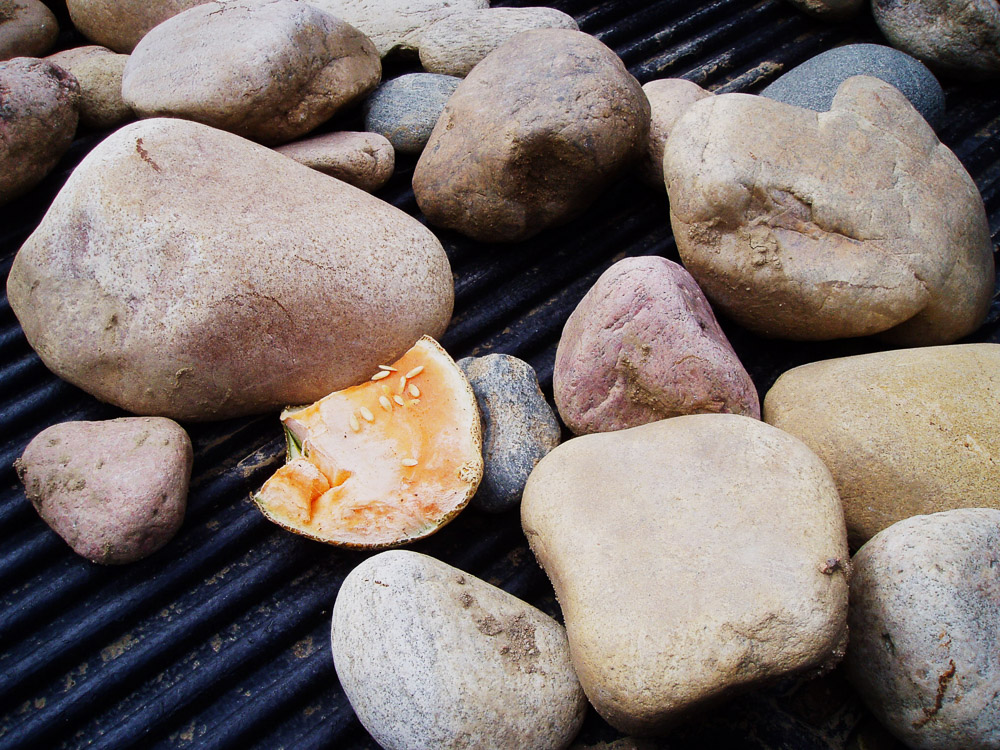
    What if you break open a river rock?©Ed Schlotzhauer

    To be honest, I am a mindful explorer. I follow some of Jay’s other advice to “go out empty”. That is, I usually do not have specific shots in mind. Instead, I am mindful of interesting things I encounter as I wander. This may not be your style. I understand. Photography, like all art, is intensely personal.

    But for me these days, I try to shoot it now. If possible and it’s not too disruptive, I stop to shoot it when I see something I feel is worthwhile. Apologizing for being late feels better than missing the shot. I have a lot of regrets of shots I didn’t stop to take when I had the chance.

    That realization of the possible fleeting nature of our subjects drives me to act outside my comfort zone. My “what if” is engaged all the time.

  • Its Been Done

    Its Been Done

    There’s nothing new left to photograph

    It’s been done! We all know it and feel it. The world is over-photographed. Why bother anymore? Nothing new is left. Should we pack up our gear and stow it in a closet?

    Too many photographs

    Trillions of photographs are taken every year. Think of that. As many as if every man, woman, and child on the planet takes over 100 pictures a year. Most of them seem to be uploaded to social media.

    Every person. you meet is carrying around a good camera – their phone. And they’re not afraid to use it.

    How many times have you been enjoying the view at a peaceful overlook, only to have a car skid up and unload a noisy group of parents and kids. The kids are herded in front of you and lined up and forced to smile so they can take a group selfie to show they were there. They may even ask you to take the picture. Then they rush back to their car to get back on their phones.

    Probably 99.9999% of this flood of photos are uninteresting selfies or food shots or other things like that that are just “look at me” pictures. Just think of the Exabytes of disk space they are taking up. Yes, this is judgmental on my part, but I am making a point. And I’m talking about uninteresting in an artistic sense.

    There is such a glut of pictures that it devalues photography as an art form. Why should I be interested in your photograph? I can take my own. I’ve seen that scene 1000 times. To the point that It’s a yawn.

    Fabric covered head©Ed Schlotzhauer

    Everything interesting is shot

    Every location on, above, or under the Earth that can be reached without the funding of a major expedition has been shot to death. Even the ones that are ridiculously hard and dangerous to get to have. So, should we give up?

    That depends on your goals. Since you are reading this, you probably consider yourself a “creative”. What does that mean to you? Do you define your creativity as photographing a location no one has ever shot before? If so, perhaps you should modify your definition. All the major sights have been photographed.

    There are other ways to be creative.

    Dancing in the Rust©Ed Schlotzhauer

    Do something bizarre?

    But for many, the perceived need to stand out and be different leads to strange ends. To try to create things no one has ever done sometimes leads to going for shock, or bizarre, or, at the other extreme, deliberate banality. Is this what you want for your art? If so, go for it. You do your art. But ask yourself if that is really you.

    Others may go back to film for its nostalgia. Maybe even to other non-traditional technology such as tin type or wet plates. People deliberately leak light onto film, use badly flawed lenses, or develop their film in unusual chemicals. Some use intentional camera motion or deliberate focus problems or other “errors”. Sometimes just for the goal of making something no one else has ever done.

    We are led to believe that creative means totally new that no one else has ever seen or done. Perhaps this is an overly strict definition of creativity.

    Surreal hamburgers©Ed Schlotzhauer

    Be you

    Artists have always done the same subjects over and over. There are only a limited number of subjects and not that many truly different ways to approach them.

    Are you not going to do ponds because Monet has “done” them? Are you not going to do a night sky because Van Gogh was the only one to be able to do that? Da Vinci did the definitive portrait, so no sense going there. Likewise, will you never photograph landscapes because there are no more to do after Ansel Adams finished? Must you forever avoid flowers because O’Keeffe did everything that could be done?

    Have all the songs been created? Have all the novels been written?

    Of course not. Humans always come up with creative new ways to present things. Therefore, “never been done” is not the strict test of creativity.

    Apply your style

    If artists do the same subjects over and over, where is the creativity? Isn’t it in the unique perspective of the artist? The new point of view or treatment or interpretation they can bring to it.

    If the famous ones can do it, then why can’t we? We are artists, too. Each of us can still do new, fresh, creative work.

    Sure, if you park at Tunnel View in Yosemite and put your tripod in the same spot that thousands of others have used and shoot the same wide-angle scene, like everyone else, it is going to be hard to stand out. But look around. There is a nice river there, and beautiful trees. Wildlife is around, flowers, and people doing weird or dumb things. We can direct our creativity in other directions.

    We each have our own unique point of view and way of expressing it. Use it. Be intentional. You are drawn to certain things. Recognize that and work it. You do not need to chase the crowd of popularity. It does not matter what “influencers” are promoting.

    Say what is in you, about what calls to you, in your own way. Unless you are on a commission, your art should be first for you. If everybody loves your work, but you don’t, isn’t that a failure? If you love your work but no one else seems to, isn’t that still satisfying your need to do art?

    By making art, we are trying to express something we feel or perceive. Maybe to other people, but sometimes just to ourselves. That brings a unique perspective to it. If we succeed, it is perceived as different, meaningful. That is creative. No one else has done that the way you do.

    Fence built of skis©Ed Schlotzhauer

    Creative, our way

    Creativity is not usually something radically new. Sometimes it is an incremental build on the past. It is the little twist that makes it uniquely our own. The little spin on the conventional way it has been done. Sometimes it is spotting what others overlook and treating it as art, not just something on the side of the road.

    Be curious. By going through life with a mindful attitude, we can see things other people look past. Our vision usually applies to the unique way we see the same thing other people see, but don’t really see. We will not often see something that no one else in history has ever seen before. The secret is what we bring to the common. Can we make something new out of things everyone else ignores?

    Everything has been photographed. But not everything has been seen.

    To be a photographer today requires us to see more clearly and think deeper and work harder to separate ourselves from the crowd, but we can do that. We are artists. We have the right to be obsessed and passionate. After all, this is our art.

    Follow your enthusiasm … The only quality common to all great artists and creative people is that they are obsessed with their work.

    Richard Avedon

    Today’s images

    Given what I am talking about, I decided to feature unexpected, hopefully creative images. All are things found in my explores. None are grand landscapes or iconic locations. These are the kind of treasures I like to collect. I hope they are all things you have never seen.

  • Curiosity

    Curiosity

    I admit, I am consumed with curiosity. It drives a lot of what I do. It strongly pulls me in different directions. More and more I see that it is curiosity that drives a lot of my creativity.

    This is an update of an article I wrote in 2020.

    Curiosity

    What is curiosity, really? Is it a learned skill or an inherent personality trait? Is it good or bad?

    Dictionary.com says it is “the desire to learn or know about anything; inquisitiveness”. That is a good start. Like any large concept, there is a lot more depth to it than we get from a short statement.

    I like that it is presented as a “desire”. There is a longing. Something burns inside you that causes you to pursue things. A variety of things. You never know where it will lead you.

    Inquisitiveness is a great word, too. It implies exploration, searching, investigating. Curiosity is the basis of learning. I mean real learning, not what passes for it in our education system. Learning comes from wanting to know about something and working to figure it out.

    I am no authority, but my observation is that some people have a greater tendency to curiosity than others, but it is a skill that most people could develop. If they really want to. Most little kids seem to burn with curiosity, but life, upbringing, and our education system tends to beat it out of most people.

    Educational researcher Edmund Duncan says that by age 10 or 11 most kids have stopped asking questions and by 25 less than 2% can think outside the box. Recent findings say that of Americans age 45-54, 60.9% have not read a book in the last year. This is concerning. Actually, it is terrifying.

    Fabric covered head©Ed Schlotzhauer

    Afflicted

    In one of his books, Jonathan Kellerman has a character say “Most people aren’t overly afflicted with curiosity. It separates the creative and the tormented from the rest of the pack.” I think he has captured the idea very well. But does being afflicted with curiosity imply we are tormented?

    There is a well-known stereotype of the semi-crazed starving artist. Like many stereotypes, it has some grains of truth but generally is not an accurate model.

    The starving artist? Well, yes, most artists are starving unless they have another means of support. Unless they become the one in a thousand who is so good at not only art but marketing and sales that they can carve out a reputation and make good money.

    But the tormented, half crazed artist? I don’t think I have ever met one. And I know quite a few artists in various mediums. Probably van Gogh is the prototype of the image. But, well, he had issues that were not directly related to being an artist.

    So, I dispute that the curious are either tormented or afflicted. It seems to me that the curious are generally happier and more content than others.

    Dog backpack?©Ed Schlotzhauer

    What is “not curious”

    Sorry, I can’t even picture what it would be like to not be curious. I think of Sherlock’s quote in the great BBS series “Sherlock”:

    Dear God. What is it like in your funny little brains? It must be so boring.

    Unlike Sherlock, I’m not trying to be arrogant or insulting, It’s just so far from me that I really can’t imagine it.

    Being curious and researching it ☺, some traits of the incurious seem to be:

    • Sticking to their comfort zone
    • Being resistant to change
    • Not seizing opportunities
    • Not living a passionate life. They seem to move through life with few ups or downs.
    • Little personal growth and development

    This is horrifying to me. Of course, we all feel safer in our comfort zone, and we all resist change, but the downsides of giving in to that are too costly to accept. At least, for me.

    The items on this list that resonate most with me (most irritate me?) are no passion and no personal growth. Society today disguises activity as passion. You were not “passionate” about going to a concert last weekend. You may have been excited, and it was probably a lot of fun, but you were still just a spectator. In the same way you can’t be passionate about a Disney ride. It is all manufactured sensation. The person in the next car gets the same experience. Passion come from doing something through your own effort, often something creative.

    Giant flamingos, in Colorado.©Ed Schlotzhauer

    It doesn’t matter at all if you are a “success” or a “failure” at what you do. What matters is that you put yourself into it and gave it your best shot.

    And I cannot understand why a person would go through even a day without learning something new, improving some skill, or at least meditating. Not improving yourself would be like spending all day sitting and watching TV.

    Curious photography

    Enough ranting. We’re supposed to be talking about our journey as artists. How does curiosity relate to that?

    Among all its other benefits, curiosity helps to keep our work moving on in new directions. It is too easy to get trapped by the past, especially if we have had a little success. Do you feel you are known as the bird photographer or the portrait photographer or the food photographer? Does that fence you in mentally, making you feel like you must keep trying to repeat past successes?

    Curiosity can help lead you to new interests, or new ways to imagine what you used to do. Use a different lens. Go somewhere new. Do a personal project in a different genre. Try intentional camera movement (ICM) or long exposures or black & white.

    These are not just for the sake of doing something different (although that helps). Making a change in how you normally work helps you see things in a new way. It fractures some of the mental channels we unconsciously flow in, our comfort zone.

    Terra Incognita©Ed Schlotzhauer

    Intelligent curiosity

    It is said that being curious involves asking “what if” about things you are doing. This is true, but it should not be a mindless, random process. The what ifs are based on knowledge and an intelligent assessment of possibilities.

    Chemists may discover useful new compounds while mixing unlikely components. But they also have knowledge and training that informs them that certain things tend to go boom when mixed. So, unless boom is part of what they are looking for, they would avoid things they know to be dangerous and impractical.

    Now, our photography doesn’t usually react so dramatically, but still, not everything we might could do is realistic. For instance, wandering alone at night through a bad section of town to get some gritty urban shots may not be a good idea. Hanging out over a cliff to get a new perspective may not be intelligent unless you have taken safety precautions.

    But they are in the right spirit.

    No Photographers©Ed Schlotzhauer

    Practice it

    I am sure curiosity can be developed and enhanced, even if we think we don’t have a curious bone in our body. After all, you are reading this.

    Curiosity is an attitude of wanting to know more, to discover what will happen if I try this. Read encouraging material (like this ☺). Find instructors who lift you and watch their videos. Not to imitate them, but to be inspired. Go to museums and galleries and art shows. It will give you new insights. Put down your camera and read a biography of a historical figure.

    But most fundamentally, practice, practice, practice. Yes, practice curiosity. When you go out shooting, determine to do at least one thing different, even if you don’t think it will make good pictures. Practice a mindfulness where you really look at what is around you. When you have a question about something, research it. Google can be useful occasionally. And take side trips to related things that tweak your curiosity. New ideas will be sparked.

    I will confess that I go back to pre-internet days. When I was a kid, I had to look up things in an Encyclopedia. Do you know what those are? It was one of the greatest things I could have done. Sure, I found what I was looking for to complete the school report. But the real benefit and excitement was all the interesting things I found along the way. That was an advantage of having to flip through pages of a book rather than having an algorithm take me directly to the answer I was looking for. I found unexpected treasures. And it helped make me more curious.

    What are you curious about?

    What are you curious about? Look at it like this: what are 2 new things you have learned or tried this week?

    Wanting to be curious without doing anything about it does not get you there. Like most things, it takes action to make it real.

    Let me give a few curiosity related highlights from my last week. Not to make it sound like I am something special. Just to give you some encouragement.

    • Took a video class on live audio mixing
    • Took a class on selling to wholesalers.
    • Watched 2-3 video classes on Photoshop and Lightroom techniques
    • Did some ICM photography for the first time in a long time.
    • I saw some opportunities to composite some of my images and did some experimenting.
    • Put together a submission for a gallery show (if you want to evaluate your work, force yourself to edit down to a very small number of images in a portfolio).
    • Go out 5 days with my camera and 1 lens, challenging myself to be mindful and find fresh material in the same old locations.
    • Read an online photography magazine
    • Read about Theodore Roosevelt’s early political experiences and his time out west.
    • I wrote this blog, which I consider being curious about curiosity.

    That is just some I can remember. I don’t consider this very special. It is basically a typical week.

    Out the window - through a beer glass.©Ed Schlotzhauer

    Just do it

    Curiosity is a learned behavior and a practice. Don’t think you are curious? Maybe you just haven’t given in to it for too long. Go back to being like you were as a kid. Be curious about everything. Ask questions and, now that you are an adult, learn how to answer them. It will keep you young. But it is not just about finding answers. The exploration is at least as important. It takes you outside the familiar and teases you with new things to be curious about.

    I firmly believe curiosity is a path to creativity. It has never worked well for me to say ,”I’m going to be creative today.” But I have often been stimulated by curiosity to follow new ideas to new ends.

    “I have no special talents. I am only passionately curious.” – Albert Einstein