

I admit, I am consumed with curiosity. It drives a lot of what I do. It strongly pulls me in different directions. More and more I see that it is curiosity that drives a lot of my creativity.
This is an update of an article I wrote in 2020.
Curiosity
What is curiosity, really? Is it a learned skill or an inherent personality trait? Is it good or bad?
Dictionary.com says it is “the desire to learn or know about anything; inquisitiveness”. That is a good start. Like any large concept, there is a lot more depth to it than we get from a short statement.
I like that it is presented as a “desire”. There is a longing. Something burns inside you that causes you to pursue things. A variety of things. You never know where it will lead you.
Inquisitiveness is a great word, too. It implies exploration, searching, investigating. Curiosity is the basis of learning. I mean real learning, not what passes for it in our education system. Learning comes from wanting to know about something and working to figure it out.
I am no authority, but my observation is that some people have a greater tendency to curiosity than others, but it is a skill that most people could develop. If they really want to. Most little kids seem to burn with curiosity, but life, upbringing, and our education system tends to beat it out of most people.
Educational researcher Edmund Duncan says that by age 10 or 11 most kids have stopped asking questions and by 25 less than 2% can think outside the box. Recent findings say that of Americans age 45-54, 60.9% have not read a book in the last year. This is concerning. Actually, it is terrifying.
 ©Ed Schlotzhauer
Afflicted
In one of his books, Jonathan Kellerman has a character say “Most people aren’t overly afflicted with curiosity. It separates the creative and the tormented from the rest of the pack.” I think he has captured the idea very well. But does being afflicted with curiosity imply we are tormented?
There is a well-known stereotype of the semi-crazed starving artist. Like many stereotypes, it has some grains of truth but generally is not an accurate model.
The starving artist? Well, yes, most artists are starving unless they have another means of support. Unless they become the one in a thousand who is so good at not only art but marketing and sales that they can carve out a reputation and make good money.
But the tormented, half crazed artist? I don’t think I have ever met one. And I know quite a few artists in various mediums. Probably van Gogh is the prototype of the image. But, well, he had issues that were not directly related to being an artist.
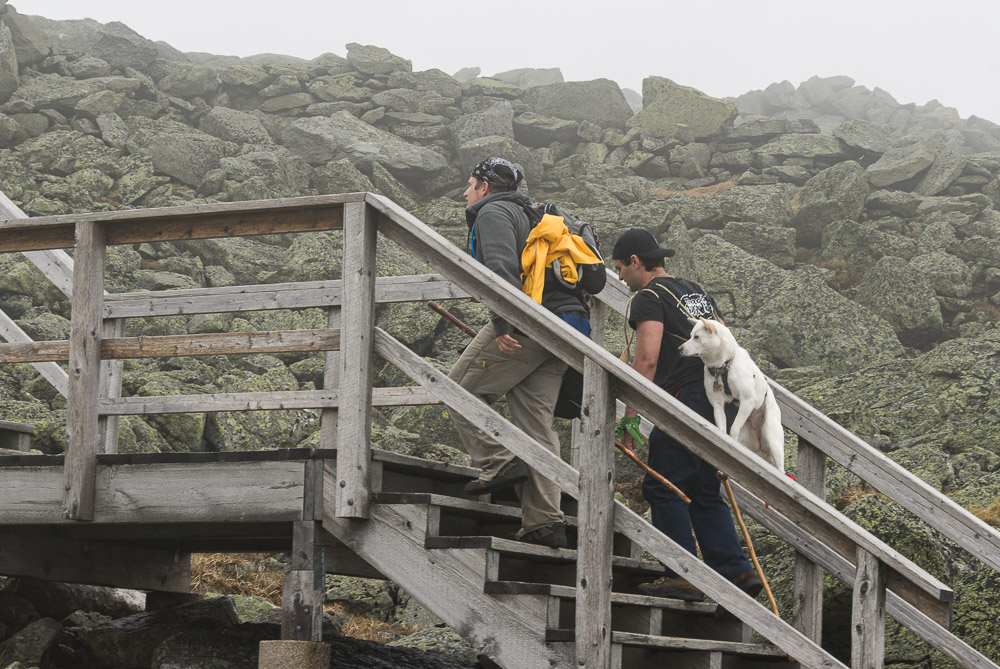
So, I dispute that the curious are either tormented or afflicted. It seems to me that the curious are generally happier and more content than others.
 ©Ed Schlotzhauer
What is “not curious”
Sorry, I can’t even picture what it would be like to not be curious. I think of Sherlock’s quote in the great BBS series “Sherlock”:
Dear God. What is it like in your funny little brains? It must be so boring.“
Unlike Sherlock, I’m not trying to be arrogant or insulting, It’s just so far from me that I really can’t imagine it.
Being curious and researching it ☺, some traits of the incurious seem to be:
- Sticking to their comfort zone
- Being resistant to change
- Not seizing opportunities
- Not living a passionate life. They seem to move through life with few ups or downs.
- Little personal growth and development
This is horrifying to me. Of course, we all feel safer in our comfort zone, and we all resist change, but the downsides of giving in to that are too costly to accept. At least, for me.
The items on this list that resonate most with me (most irritate me?) are no passion and no personal growth. Society today disguises activity as passion. You were not “passionate” about going to a concert last weekend. You may have been excited, and it was probably a lot of fun, but you were still just a spectator. In the same way you can’t be passionate about a Disney ride. It is all manufactured sensation. The person in the next car gets the same experience. Passion come from doing something through your own effort, often something creative.
 ©Ed Schlotzhauer
It doesn’t matter at all if you are a “success” or a “failure” at what you do. What matters is that you put yourself into it and gave it your best shot.
And I cannot understand why a person would go through even a day without learning something new, improving some skill, or at least meditating. Not improving yourself would be like spending all day sitting and watching TV.
Curious photography
Enough ranting. We’re supposed to be talking about our journey as artists. How does curiosity relate to that?
Among all its other benefits, curiosity helps to keep our work moving on in new directions. It is too easy to get trapped by the past, especially if we have had a little success. Do you feel you are known as the bird photographer or the portrait photographer or the food photographer? Does that fence you in mentally, making you feel like you must keep trying to repeat past successes?
Curiosity can help lead you to new interests, or new ways to imagine what you used to do. Use a different lens. Go somewhere new. Do a personal project in a different genre. Try intentional camera movement (ICM) or long exposures or black & white.
These are not just for the sake of doing something different (although that helps). Making a change in how you normally work helps you see things in a new way. It fractures some of the mental channels we unconsciously flow in, our comfort zone.
 ©Ed Schlotzhauer
Intelligent curiosity
It is said that being curious involves asking “what if” about things you are doing. This is true, but it should not be a mindless, random process. The what ifs are based on knowledge and an intelligent assessment of possibilities.
Chemists may discover useful new compounds while mixing unlikely components. But they also have knowledge and training that informs them that certain things tend to go boom when mixed. So, unless boom is part of what they are looking for, they would avoid things they know to be dangerous and impractical.
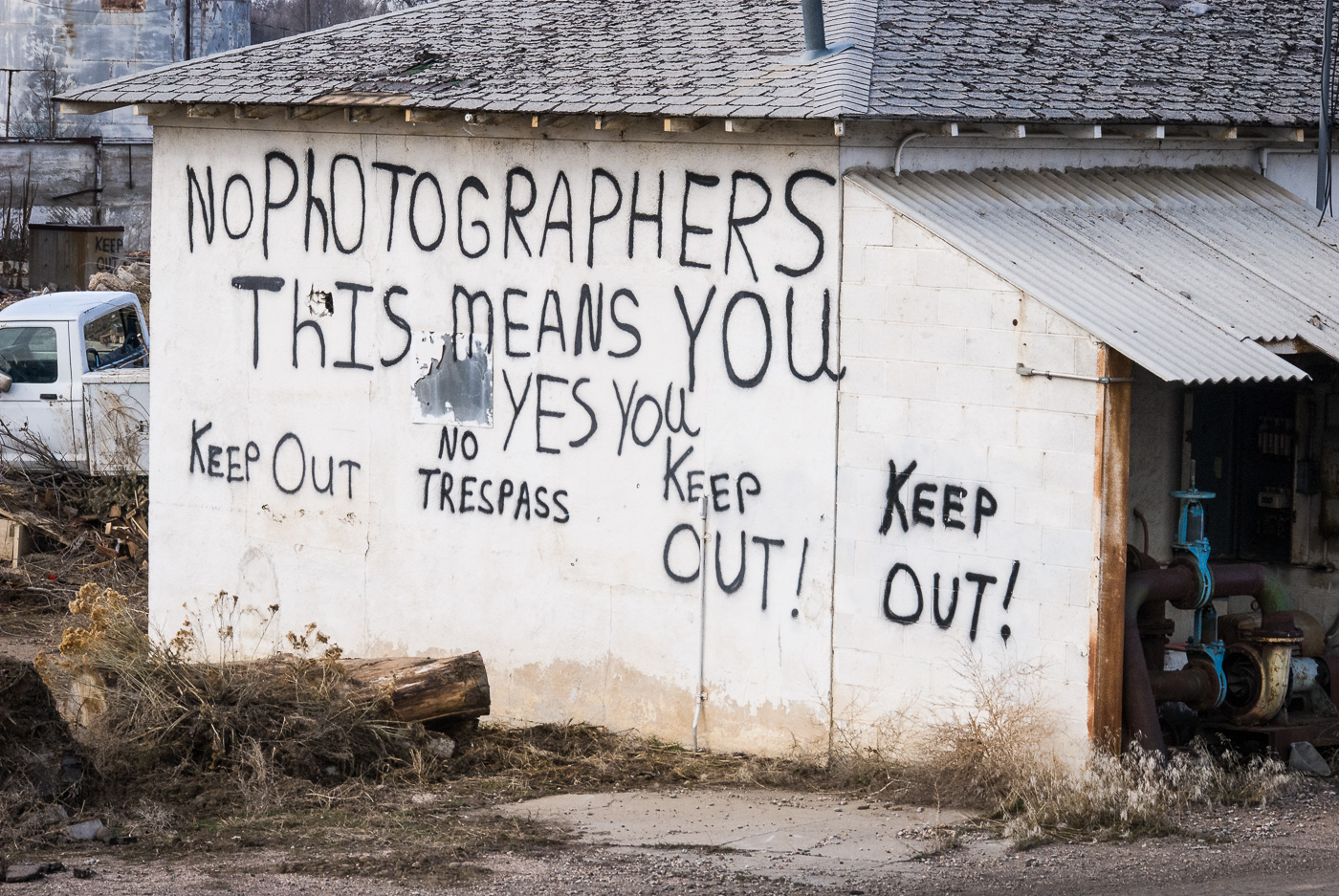
Now, our photography doesn’t usually react so dramatically, but still, not everything we might could do is realistic. For instance, wandering alone at night through a bad section of town to get some gritty urban shots may not be a good idea. Hanging out over a cliff to get a new perspective may not be intelligent unless you have taken safety precautions.
But they are in the right spirit.
 ©Ed Schlotzhauer
Practice it
I am sure curiosity can be developed and enhanced, even if we think we don’t have a curious bone in our body. After all, you are reading this.
Curiosity is an attitude of wanting to know more, to discover what will happen if I try this. Read encouraging material (like this ☺). Find instructors who lift you and watch their videos. Not to imitate them, but to be inspired. Go to museums and galleries and art shows. It will give you new insights. Put down your camera and read a biography of a historical figure.
But most fundamentally, practice, practice, practice. Yes, practice curiosity. When you go out shooting, determine to do at least one thing different, even if you don’t think it will make good pictures. Practice a mindfulness where you really look at what is around you. When you have a question about something, research it. Google can be useful occasionally. And take side trips to related things that tweak your curiosity. New ideas will be sparked.
I will confess that I go back to pre-internet days. When I was a kid, I had to look up things in an Encyclopedia. Do you know what those are? It was one of the greatest things I could have done. Sure, I found what I was looking for to complete the school report. But the real benefit and excitement was all the interesting things I found along the way. That was an advantage of having to flip through pages of a book rather than having an algorithm take me directly to the answer I was looking for. I found unexpected treasures. And it helped make me more curious.
What are you curious about?
What are you curious about? Look at it like this: what are 2 new things you have learned or tried this week?
Wanting to be curious without doing anything about it does not get you there. Like most things, it takes action to make it real.
Let me give a few curiosity related highlights from my last week. Not to make it sound like I am something special. Just to give you some encouragement.
- Took a video class on live audio mixing
- Took a class on selling to wholesalers.
- Watched 2-3 video classes on Photoshop and Lightroom techniques
- Did some ICM photography for the first time in a long time.
- I saw some opportunities to composite some of my images and did some experimenting.
- Put together a submission for a gallery show (if you want to evaluate your work, force yourself to edit down to a very small number of images in a portfolio).
- Go out 5 days with my camera and 1 lens, challenging myself to be mindful and find fresh material in the same old locations.
- Read an online photography magazine
- Read about Theodore Roosevelt’s early political experiences and his time out west.
- I wrote this blog, which I consider being curious about curiosity.
That is just some I can remember. I don’t consider this very special. It is basically a typical week.
 ©Ed Schlotzhauer
Just do it
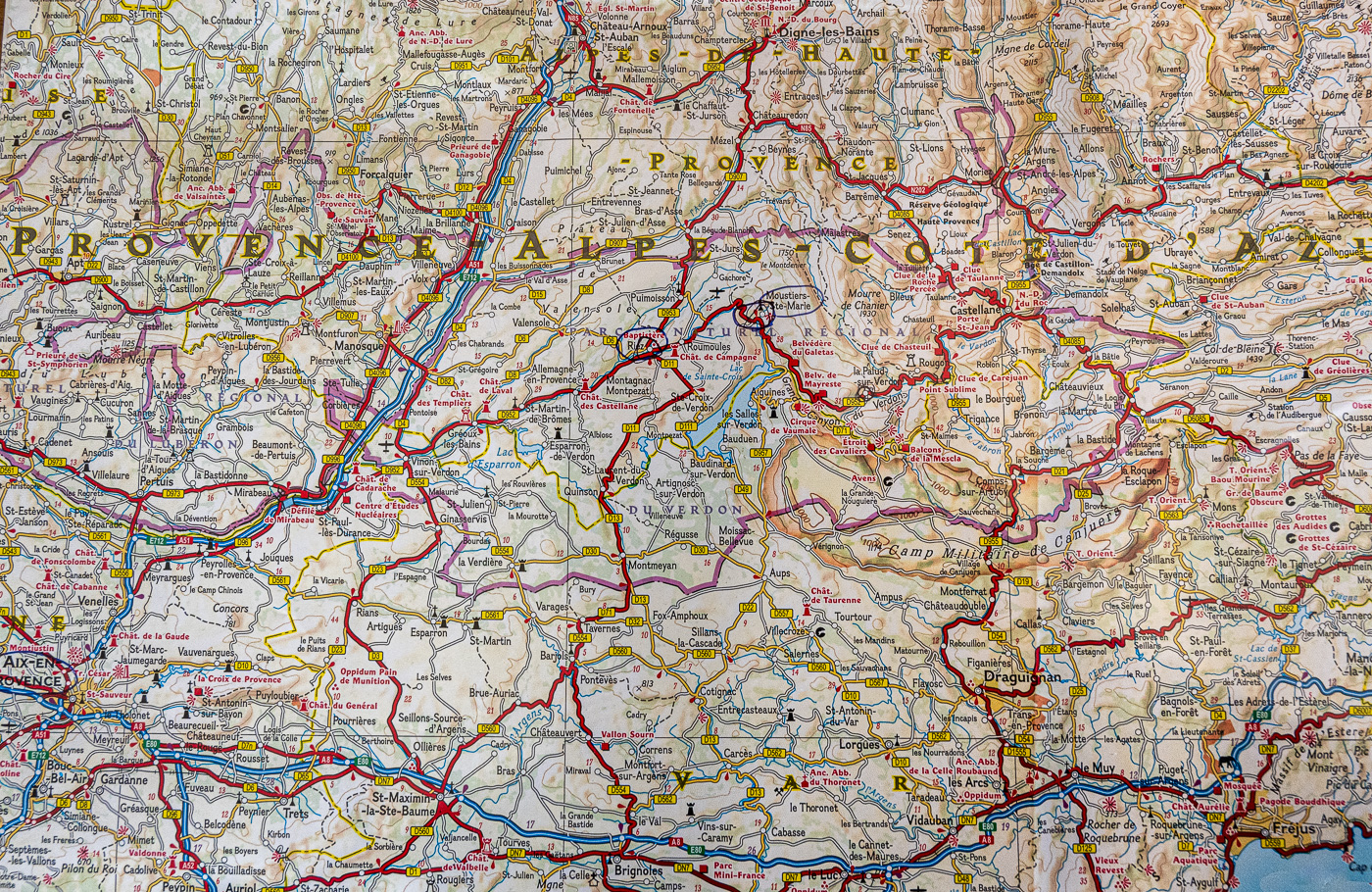
Curiosity is a learned behavior and a practice. Don’t think you are curious? Maybe you just haven’t given in to it for too long. Go back to being like you were as a kid. Be curious about everything. Ask questions and, now that you are an adult, learn how to answer them. It will keep you young. But it is not just about finding answers. The exploration is at least as important. It takes you outside the familiar and teases you with new things to be curious about.
I firmly believe curiosity is a path to creativity. It has never worked well for me to say ,”I’m going to be creative today.” But I have often been stimulated by curiosity to follow new ideas to new ends.
“I have no special talents. I am only passionately curious.” – Albert Einstein
 ©Ed Schlotzhauer
 ©Ed Schlotzhauer
 ©Ed Schlotzhauer
 ©Ed Schlotzhauer
 ©Ed Schlotzhauer
 ©Ed Schlotzhauer
 ©Ed Schlotzhauer