
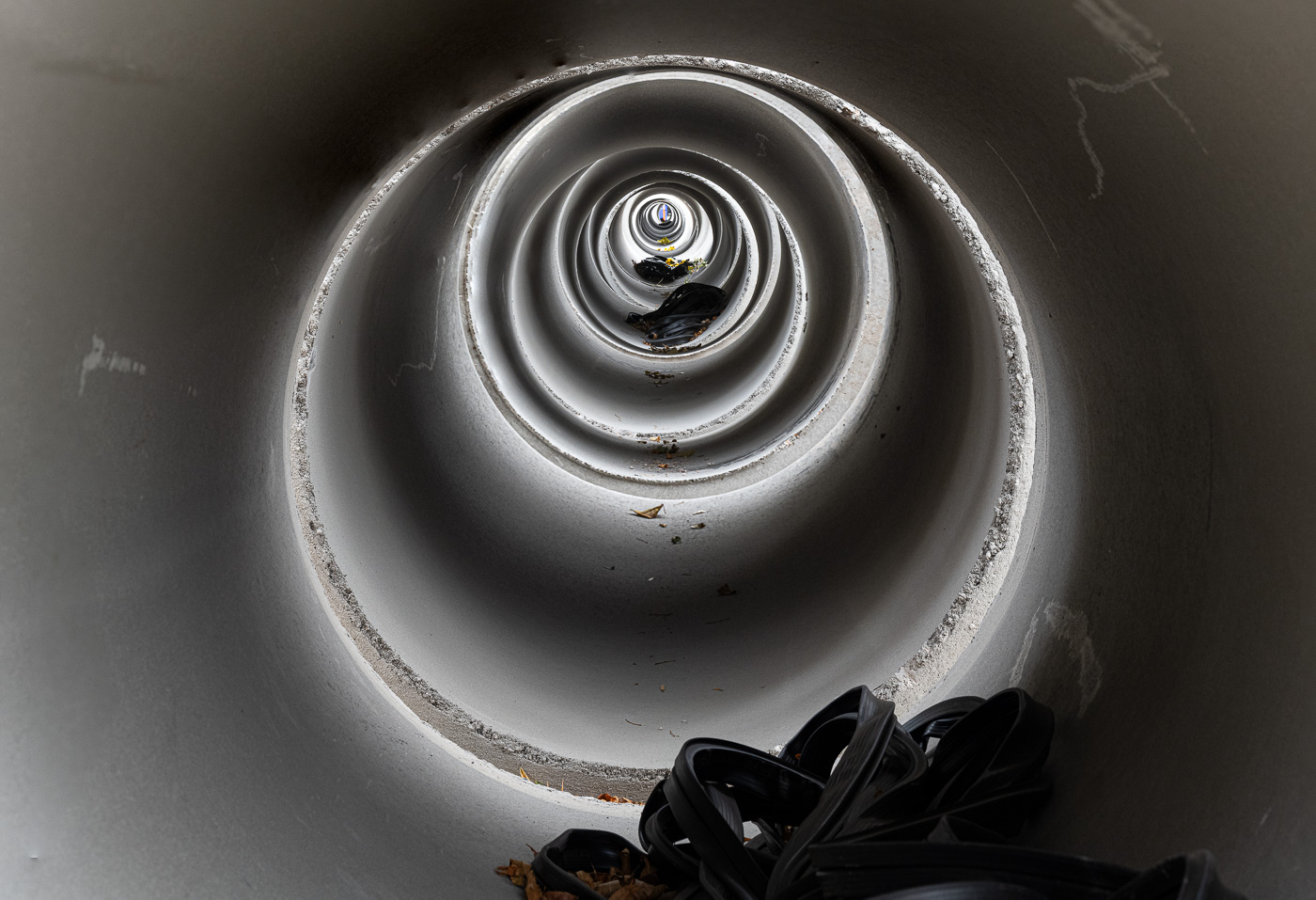
Which is your natural approach to photography? Introspection or extrospection? Intro or extro?
Psychology
Psychologists work hard to try to explain human behavior and thought processes. Sometimes their ideas seem insightful. Sometimes, off the wall.
There are many different personality tests and other tools that attempt to sort people into convenient boxes. Mostly with the noble goal of helping to understand ourselves and other people. These can help some, on a surface level. But humans are far more complex than can be captured in a simple test.
Across most of the personality tests, one of the important axes that seems to occur in some form is introvert vs. extrovert. And the common underlying definitions are based on whether you get your energy from being alone (introvert)or with people (extrovert)
Personally, I believe most humans are.far too complex and interesting to be put into a box. It causes us to make snap judgments about them, or ourselves. And they are often wrong.
But lets go with the introvert/extrovert model for a while, since it seems true of many people, Introverts tend to “live in their head”. This leads to self-awareness, introspection. Extroverts, not so much. They tend to look out more than in. The term is extrospection.
For your inner Geek: intro is Latin for inward. Extro is Latin for outward. Spect is Latin for looking at. So these words are just describing whether we tend to look inward or look outward.
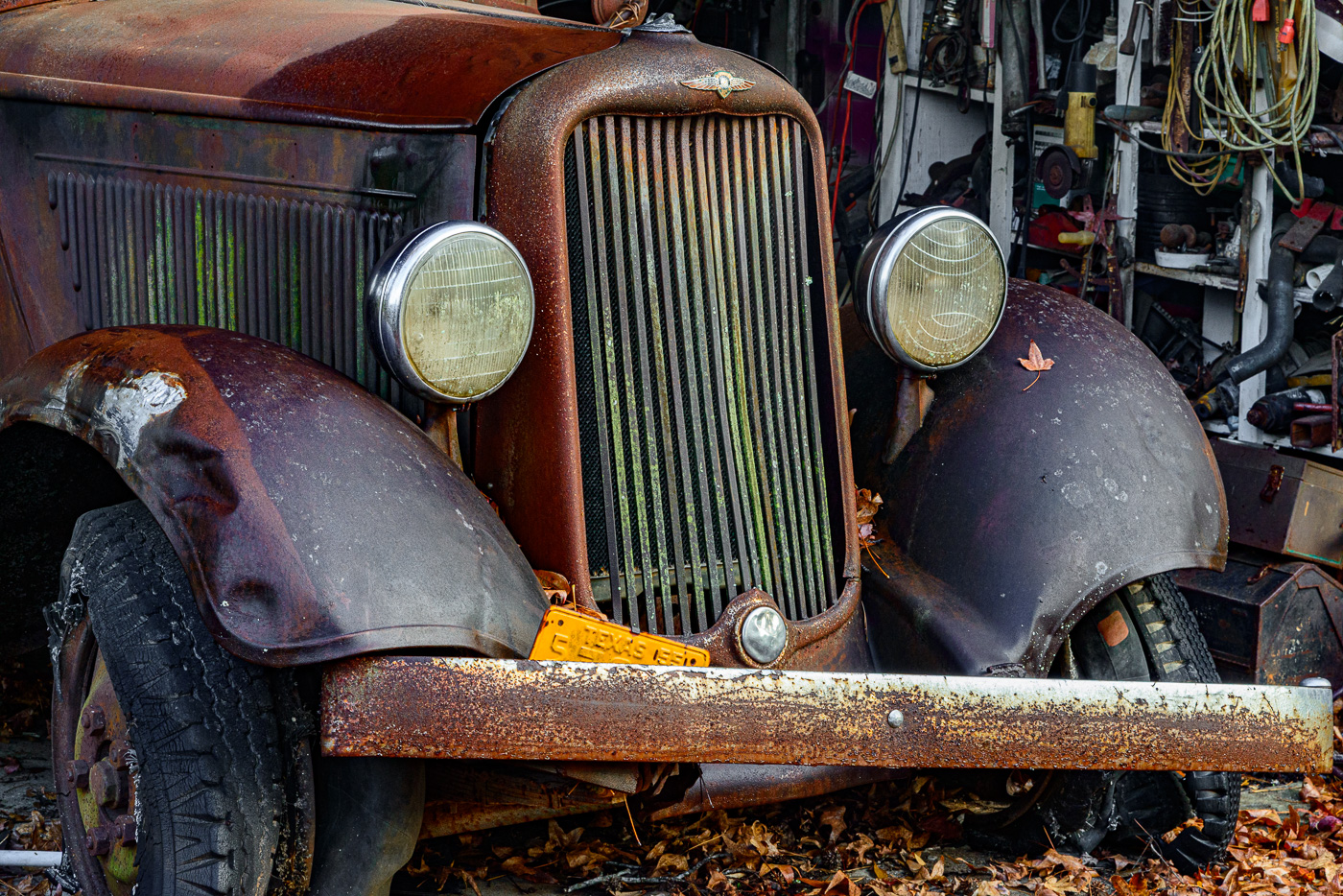 ©Ed Schlotzhauer
Introspection
An introspective person examines their thoughts, feelings, and actions. They look inward and are self-aware. We (this is me) reflect on our emotions and judgments and feelings.
Ordinarily this is a good trait. Being self-aware lets us see ourselves as others do and work to improve ourselves. We tend to be thoughtful rather than just reactive. As an artist, we tend to seek and practice creativity.
But in our photography, it can slow us down and distract us from what is around us. There can be a tendency to filter what we react to by what we are feeling or concentrating on at the time. If your work is based on what you find in the world around you, this can be a problem.
I had a world respected photographer tell me in a workshop that I think too much. Then later that day as we were showing some work, he said he had never seen that flower viewed like that and he was going to steal the idea. Go figure.
On the other hand, a great photographer Mike Langford said in Better Photography magazine: “Each destination starts with a process of quietly sitting
for a while and absorbing where I am. I genuinely try to feel
what is different about being there, as if it’s my first visit, with no
preconceptions. By being in tune with my emotions and innermost thoughts,
even the most familiar things can be seen and photographed in
a new and different way.” That sounds like a good form of introspection.
Introspection can lead to creatively trying new variations or approaches to what we are doing. It may slow us down and it may blind us to some great shots, but the potential creativity may well be worth it.
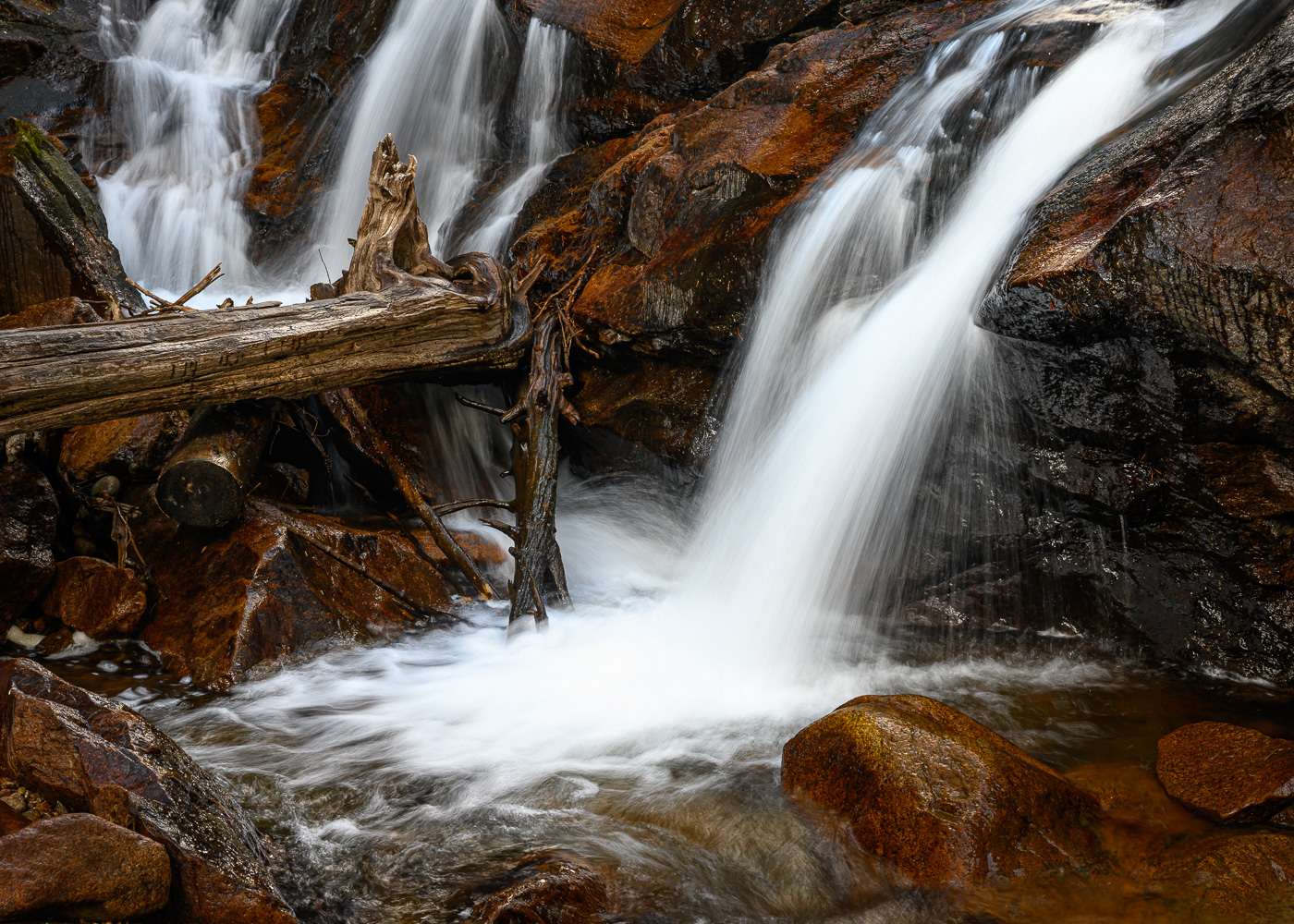 ©Ed Schlotzhauer
Extrospection
Extrospection is defined as the observation of things external to one’s mind. This would imply reacting to external stimuli. Many people, especially extroverts, look outward for their stimulus and validation.
Photographers with this view tend to more easily see what is there around them.They abandon preconceived plans and work freely with the reality in front of them. I have quoted Jay Maisel on this many times, but this is exactly what he means by “going out empty”. Don’t go looking for something specific. Instead, see what is there and work with it.
I said above that this is reacting to external stimuli. At least, that is the way it works for me. I think of it as shutting off my mind, at least the critical reasoning parts, and getting into a form of flow state. Shooting becomes instinctive. I’m sure a lot of it is based on experience. The scenes before me trigger the response. Composition becomes part of the instinctive response.
This is a form of mindfulness. The extrospective person is highly aware of their surroundings and ready to work with them without judgment.

Both and
So, which approach is better? Trick question: neither. Both are valuable and can lead to excellent results. Your inherent nature determines which approach you tend to.
But you are not locked in to either one. We can learn to behave in both ways. I have said that I am an introvert and I tend to introspect. Maybe too much. But I have also learned to go out with no judgment and embrace what is there at the moment. It may be harder for me to to “get in the flow” of that, but I can do it.
Both/and thinking says that you can feel more than one thing at a time. That you can hold conflicting thoughts without confusion. It is a realization that life and humans are complicated. They can’t be accurately modeled by one simple label.
When I think I am shooting with no judgment and embracing what is there, I know that that is not literally true. I try to allow myself to react emotionally to the environment, but behind the scenes, sometimes subconsciously, sometimes much more conscious, years of training and examination are guiding what is happening. Decisions about exposure and focal length and composition are being made, I just try not to let them intrude too much on my emotional state.
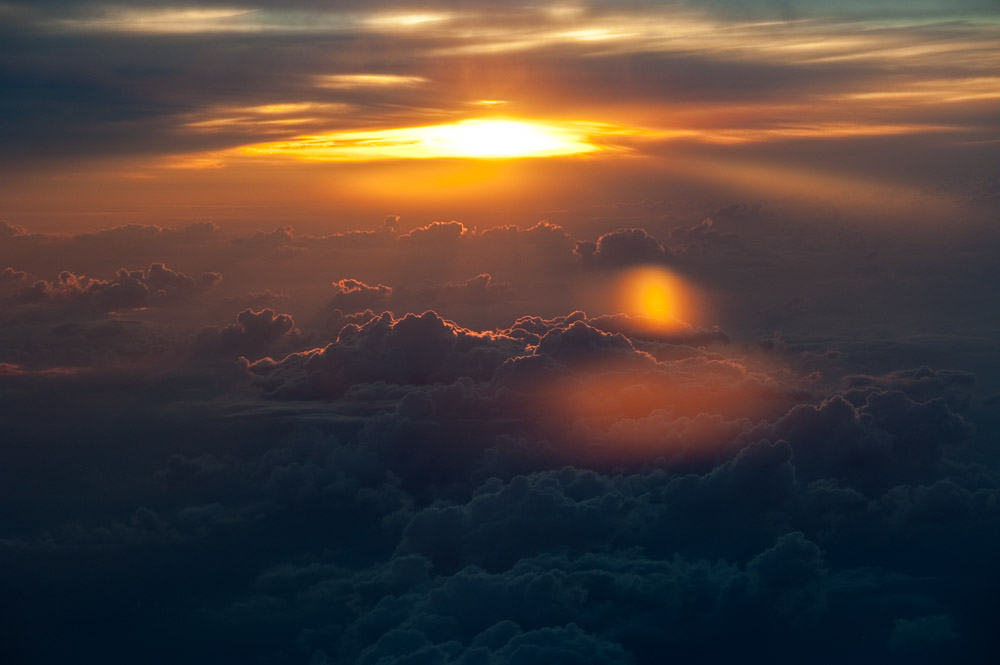 ©Ed Schlotzhauer
Do we have to decide?
I see introspection and extrospection as complimentary traits, not conflicting ones. Extrospection lets us be in the moment, to see and react to what is around us, even if it is not what we anticipated. Introspection lets us analyze what we are seeing and maybe take it to a higher level. It seeks to find the essence and answer “what if” questions.
Extrospection helps us find interesting material. Introspection helps us creatively make the best of it. Together, they make our art better.
We are not stuck just blindly following our basic nature. You are not a helpless robot. Part of growing and maturing is to learn to adapt new behaviors. To practice new thought processes. We can learn to expand our thinking. Mindfulness and creativity compliment one another. We can hold and practice both in our mind at the same time. Without breaking anything.
Don’t just react or just think. Do both. At the same time.
Intro or extro. It does not have to be either/or. It can be both/and.
Leave a Reply