
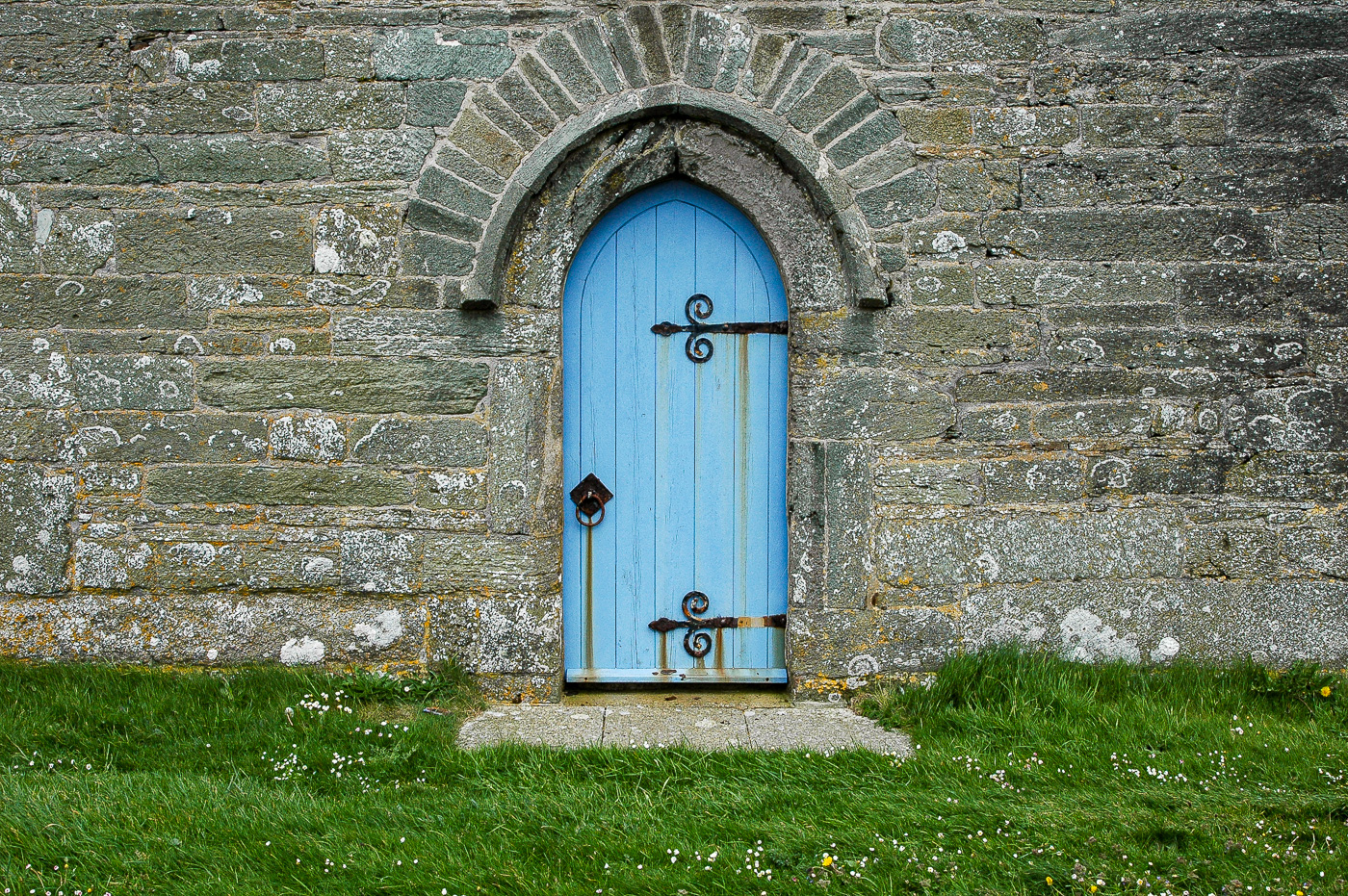
We all have different interests, which triggers different perceptions of things around us. What do you see? That determines a lot about what you will photograph.
Visual mechanics
If we are an average human beings, we have fairly similar optical equipment. We have rods and cones, corneas and irises, an optical nerve. In the brain we have the occipital lobe doing the major image processing, the parietal lobe handling spatial recognition, and the temporal lobe interfacing to memory. Memory is important to the scene recognition process.
This is fascinating in a general way, but I’m not interested in any of that for this discussion. I don’t care about the mechanisms of how we see.
If I was shopping for a car and the salesman insisted on going on in great length about the design details of the engine, he would probably lose a sale. I’m not uninterested in that, but I am more interested in what the car will do for me.

Perception
In a similar way, I’m not very interested in the mechanism of sight. I want to know how we use our vision. Why do we see what we see? Do we see the same things others around us see?
I refer to this as our perception. That is not based on how well our visual system works, but in what we are drawn to notice and decide to photograph. Basically, what we choose to see.
I have heard it said that if you take 2 photographers and put them side by side in a 10×10 foot area they couldn’t leave and have them take pictures, they would be different. Sure, they would image many of the same subjects, but their work would be different. One may favor wide angle shots taking in all the field around them. The other may favor telephoto views narrowing in on details. Even if they used the same cameras and lens, their compositions would be distinct. Basically, they are perceiving different stories. They see and feel different things.
I haven’t tried this literal experiment, but I have been on photo walks where a group traveled through the same area for an hour or two. When we compared results there were significant differences in treatments and subject selection. We each had different perceptions.
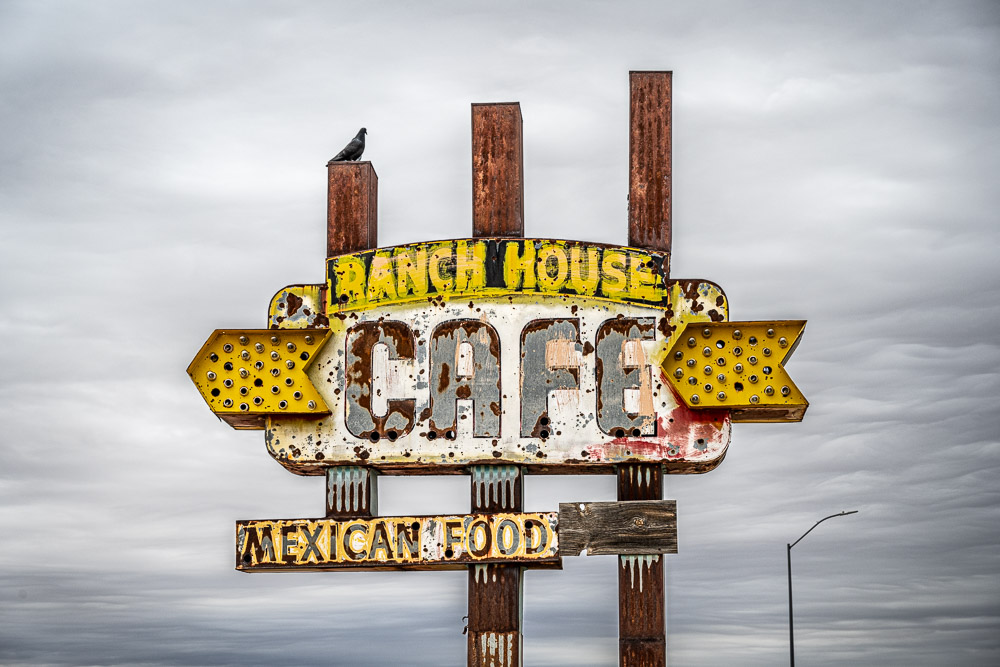 ©Ed Schlotzhauer
Insight
To me, our perception is closely related to the insight we bring to a scene or subject. Insight in the sense of intuition. A Psychologist’s definition of insight is “when a solution to a problem presents itself quickly and without warning.” I believe that is too limited for our application to photography.
I prefer to broaden it to include more of our consciousness. The term noesis better captures it. Very simply, it is “the power of acute observation and deduction, discernment, and perception.”
In our photography, that is basically saying we are looking, we recognize the interest to us, and we know what to do with it. That allows that we could be intentionally looking to photograph the subject, or we may just suddenly recognize that it is interesting. But either way, our perception is working, our eyes are open, and our mind is engaged.
Selective attention
Most people are not open and engaged most of the time. We are glued to our tiny screens for much of our day. Even when we put them down, we tend to be lost in thought about our to-do list or an important meeting coming up or a problem we are trying to solve.
It is a human tendency to have tunnel vision when we are worrying or focused on a problem. Psychologists call this selective attention. There is an old but famous video used as an experiment in this. Try it before reading ahead to the next paragraph. Really focus on counting the passes.
Did you notice the gorilla? About half the people who are concentrating on counting the passes didn’t. This is selective attention. Even when something bizarre passes through our field of view, we can miss it completely because we are concentrating on something else.
There is a second finding that came out of this. Most of the subjects who missed the gorilla were very surprised they had done it. They seriously overestimated their ability to multitask. It seemed inconceivable to them that they could miss something so obvious.
 ©Ed Schlotzhauer
Are you open?
When we have the privilege of getting in the “doing photography” mode, whatever that means for you, we must fight to free ourselves from the things that are stealing our attention.
When we are distracted, we will miss amazing things. Doing photography means to take ourselves out of this, to invert our attention to what’s going on around us, to be receptive.
This is being open. It is letting the noesis I described earlier function: “the power of acute observation and deduction, discernment, and perception.”
There is power in this. It turns simple seeing into deep observation and insight. We are aware of relationships and gesture and color and composition and beauty and detail that would otherwise flow by unobserved and unrecorded. It allows us to capture moments that others around us did not perceive.
I love it when I show someone an image and they say ‘Wow, I pass by that every day and I have never noticed it!” I treasure a memory of one time when I was setting up to take a picture and a woman passing by dismissively said “I don’t see anything interesting here.” But I did. That was satisfying.
It is very natural to be thinking about our daily worries. I can’t help you with that. I do too. But some of our significant distractions are self-inflicted. If we are photographers, I believe we need to set aside blocks of time where we put the phone down and out of sight and pay attention to what we are missing all around us.
We only have a certain amount of attention. Moment by moment we choose what to spend it on. Multi-tasking is very ineffective for creative tasks. When we try to do our art and something else, both will suffer.
 ©Ed Schlotzhauer
Give yourself permission
One joy of being a photographer is that we can give ourselves permission to step out of the flood that carries most people along. Picking up our camera is an excuse and an opportunity to be immersed in the moment, in a creative flow. Eyes open, mind engaged, not distracted. This is tremendously energizing. It makes us feel very alive. We start to see.
We photograph what we are looking at. That’s the direction our head is pointing, so that is where our field of vision is. That limits what we could see. But what are we seeing? That is our choice. We “see” with our mind. What we notice in our field of view is determined by our interests and curiosity. With practice and experience we can learn to see more. To more clearly see things that are not obvious to other people.
Leave a Reply