
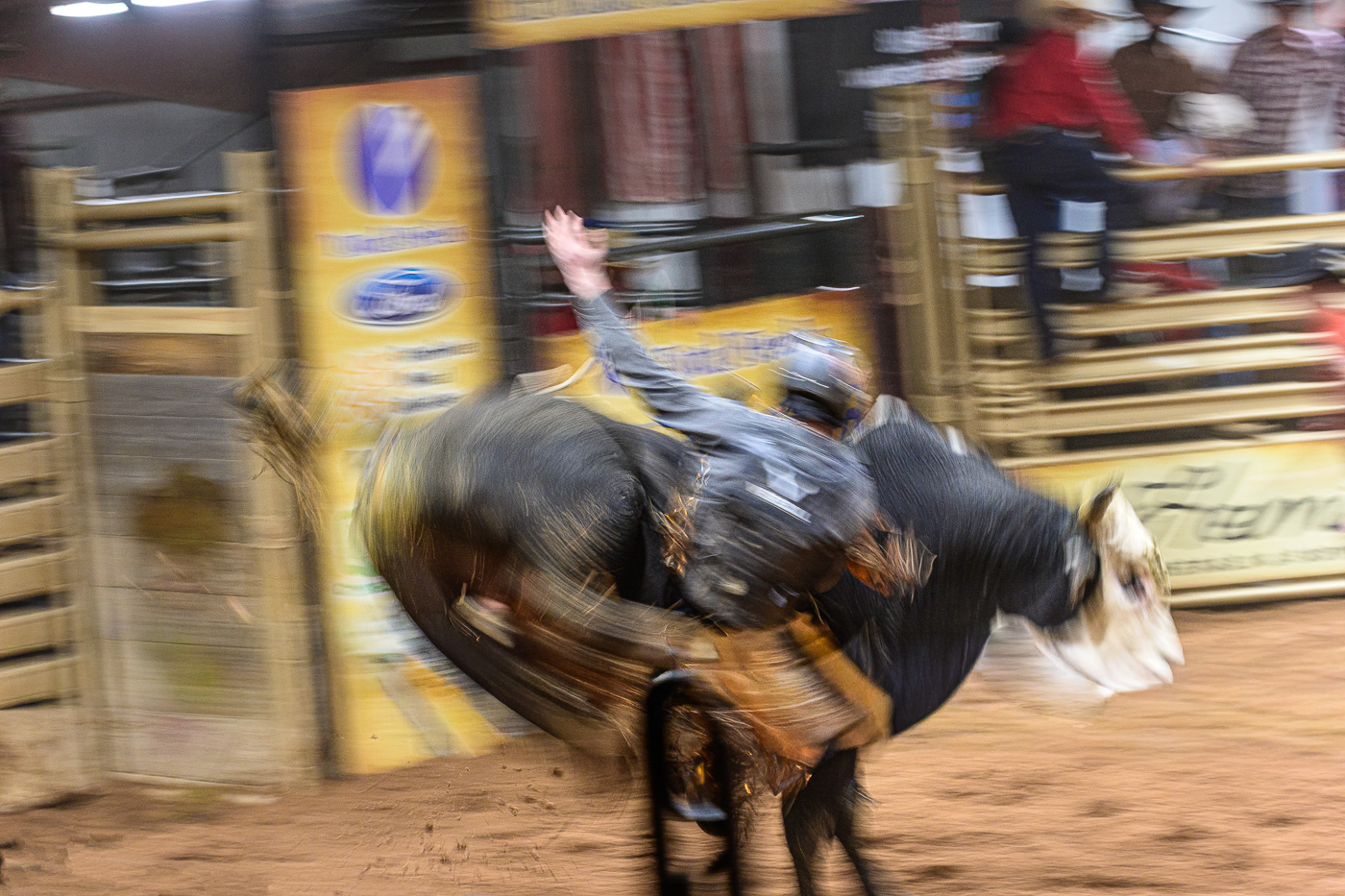
Photography is a unique art form. It lets us pluck moments out of the flow of time and examine them at a different scale. It lets us see the unseen moments.
The time dimension
Photography is unique in that we use time as part of our art. You know that image exposure is a balance of shutter speed, aperture, and ISO (or film speed) – the exposure triad. Consider that for a moment. The time an image is exposed is one of our artistic decisions.
We can choose a “normal” time (roughly what we perceive as humans) or a short exposure or a long exposure. The decision changes the nature of our image.
Having this level of control lets us photograph things we cannot see. Other arts generally paint or sculpt things they can see. This means they have chosen a moment in time they have observed and them spent a long time constructing their art to represent it. Photographers can capture the unsees and preserve it.
 ©Ed Schlotzhauer
Freezing
The range of time control we have is amazing. We can completely freeze extremely fast things. Have you ever seen a photograph of a bullet breaking an egg or a balloon? Those types of images require effective shutter speed of around 1/1,000,000 second.
I say “effective shutter speed” because at those speeds it is probably done with very short light pulses. A flash, if you will. However it is done, the result is an image of an event so brief it could never be seen by the human eye alone.
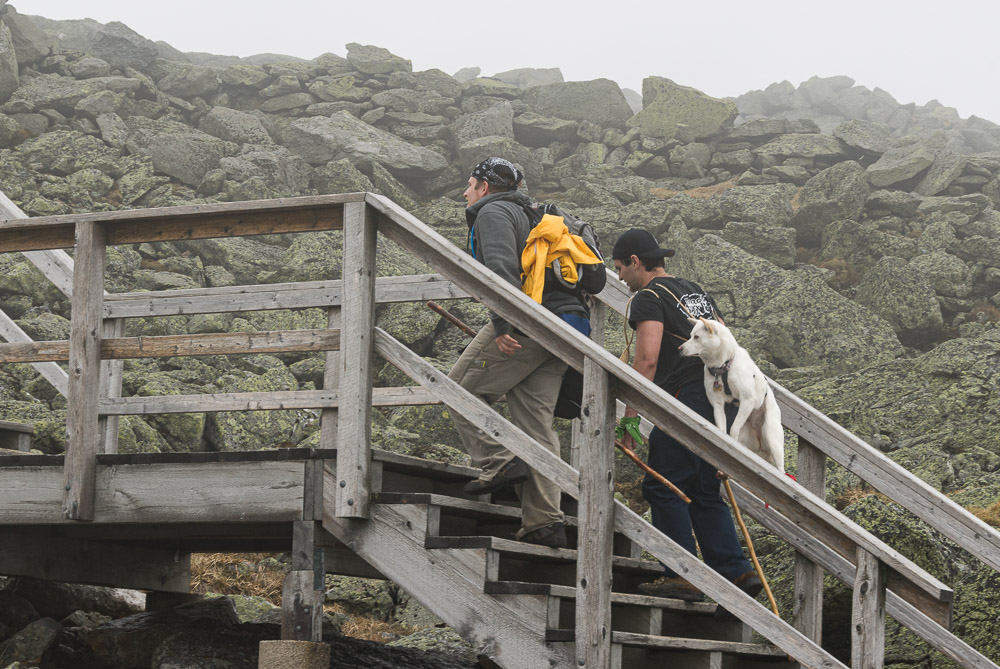
At a more everyday level, have you seen photographs of a prop plane in the air, but with the propeller frozen still? Or a race car on a dirt track with the plume of dirt being thrown up captured crisp and still? Even the wheels of the car stopped? This is a range of time we can capture with our normal cameras.
It is fun to play with sometimes. It is almost a magic trick to be able to peer into what is happening in moments too short to see with our eye.
 ©Ed Schlotzhauer
Stretching
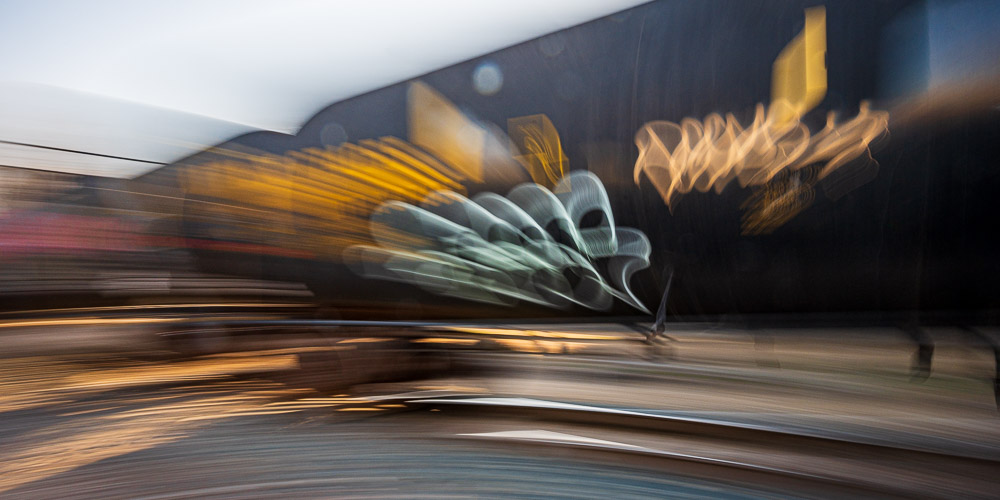
At the other extreme, we can open our shutter long enough to record motion taking place over time. This is more the end I like to play in. I often use relatively long exposures to blur a moving subject. This lets us see how it moves and its path. Something we cannot perceive with our normal vision. I also like to use intentional camera motion (ICM) to simulate motion effects in a still object.
These 2 things are usually opposed in the shooting process. Time exposures are usually done with the camera locked down on a tripod. This fixes the frame of reference and keeps the non-moving parts of the image crisp and sharp. A classic example is a waterfall shot, with the cliffs and trees sharp while the falling water is blurred to a white streak.
ICM, on the other hand, is usually shot handheld, moving the camera during the exposure. Both techniques have the effect of capturing motion over a time and showing its effect.
What is common is that the time frames I usually use for these are in the range of 1/10th of a second to a few seconds. Our eyes and brain cannot put such events together. We are aware of it happening, but we cannot visualize it. Photography can.
The point is that photography has a unique ability to control the definition of a “moment.” A moment can freeze fast action so we can see what is happening within it. Or a moment can span seconds, so it can capture movement over time.
 ©Ed Schlotzhauer
Decisive moment
We often hear about capturing the “decisive moment.” This is that instant in time when the scene is perfect. It may be a person doing something interesting, or people or animals interacting in a special way, or the peak action moment in a sport.
Photography is uniquely adept at being able to capture these decisive moments. Indeed, the concept came from photography. Henri Cartier-Bresson applied the term to photography in 1952. His meaning was that of all the moments that are. happening, only a few are significant.
It is thrilling to be in a situation where you believe there will be decisive moments and be able to go on a “hunt” to capture them. It takes experience to be able to recognize one of these moments in real time, as the action is happening, and to successfully frame it and capture it. More often we realize the decisive moment about ½ second too late. By then it is gone forever.
I believe this is part of the appeal of street photography or sports photography. To some extent, it applies to portrait photography, too.
Uniquely, the concept of decisive moment is almost entirely associated with photography. Successfully plucking out one of these decisive moments from the flow of time around us is an art and it is personally rewarding. Painters or sculptors might imagine a decisive moment, but they did not capture it as it happened. This is one of the traits unique to photography.
 ©Ed Schlotzhauer
Seeing in the dark
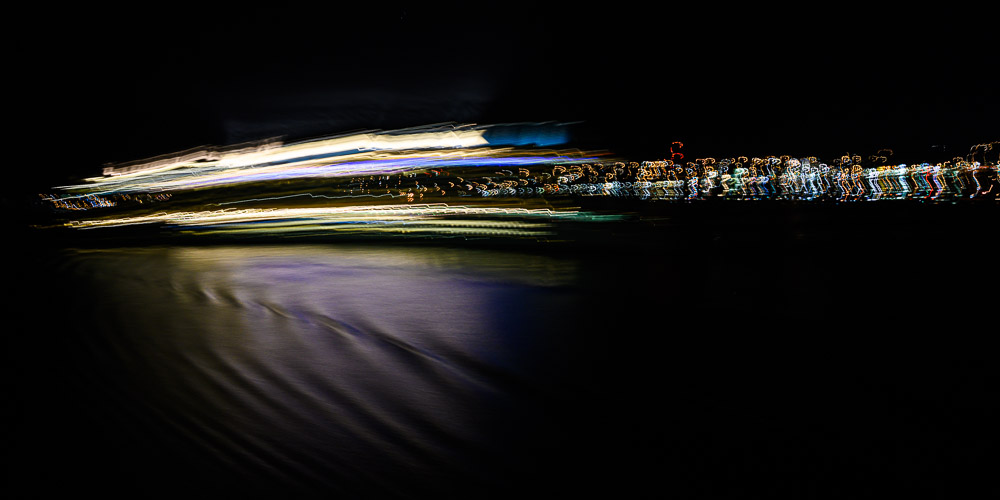
Another type of unseen moment is things that seem completely dark to our eye or, at the other extreme, blindingly bright. In the same way we can control time as part of the exposure equation, we can control brightness.
I have astronomer friends who do a lot of photography of their interests. As a matter of fact, in much armature astronomy, the scenes can only be viewed photographically.
The current technology is based on taking hundreds of exposures of a part of the sky and combining the frames through special image processing software. In this way, they can construct recognizable images of unimaginably distant and faint galaxies. Things that could not otherwise be seen without a US$ 10.8 billion James Webb telescope in space.
These same astronomer friends sometimes shoot pictures of the sun. Especially if there is a solar eclipse path they can visit. Bring able to photograph the surface of the sun requires filters that are essentially completely opaque. If we were to look at the sun without such a filter we would be blinded.
Being able to see these extremes is part of the wonder of photography.
 © Ed Schlotzhauer
Other art
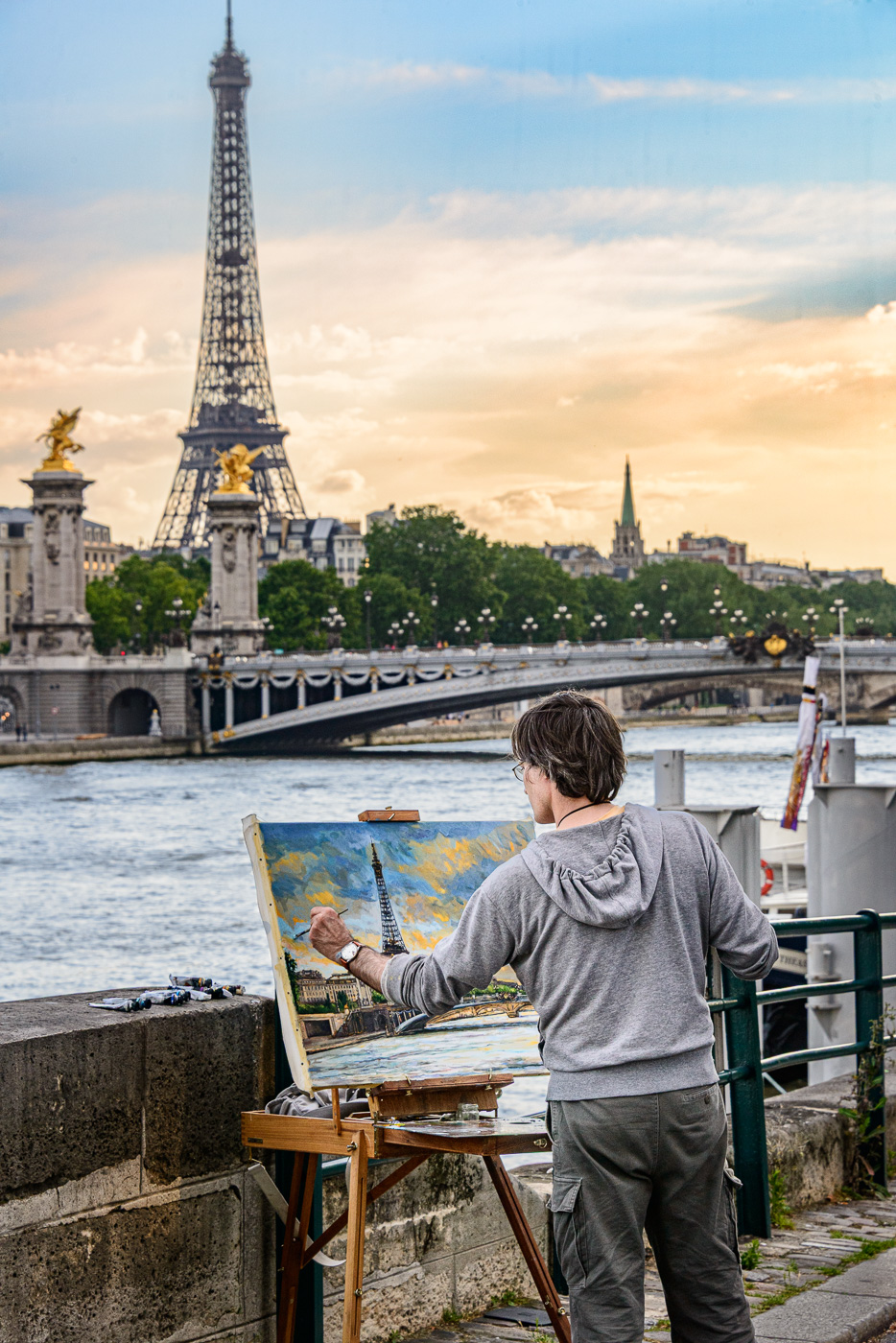
Other art media, like painting or sculpting, generally can only represent what the artist can see or imagine. Of course, these days, many painters photograph their subjects so they can render them at leisure in their studio. If they paint something they can’t see unless they photograph it, is that cheating?
It seems rare to see a painting of a time scale the artist could not see. I suspect it would violate an unspoken contract with the viewer. We tend to expect a painting to be an interpretation of what the artist actually saw.
But unless they are using photography to capture the moments, they are limited to what they can see or imagine. Photographers have much more latitude.
 © Ed Schlotzhauer
Be aware of your moments
One of the joys of photography is the unbelievable range of what we can do with our technology. From freezing a bullet in the air at 1/1,000,000 of a second to exposures of hours. From making images where there seems to be no light at all to ones where we would fry our eyeball if we looked at it.
Some people look down their noses at photography as being only a recording medium, not art. I claim art can be made in many ways, and finding new ways to look at the world around us is an important part of it. Photography can do that. It is up to us to use our imagination to do more than shoot record shots. Capture those moments at any scale that makes sense to you and hold them up to see.
Photography takes an instant out of time, altering life by holding it still.
– Dorothea Lange
Leave a Reply