An artists journey

Tag: fine art photography

  • Mix a New Image

    Mix a New Image

    Recently I was watching a video series on audio mixing. That is a separate story. But I was struck by some of the similarities between the process of mixing for certain genres of music and image editing and creation for certain types of art. It made me think of the ways we mix a new image.

    Audio mixing

    Producing an audio recording is simple but difficult. Let me take a rock band as an example. The group goes into a studio and the source material is captured, sometimes for the group all together but more often by “tracking” each band member individually. It is fairly typical to start with the drummer, because the percussion is the base beat that everything else fits into. Then guitars and/or other instruments are overlaid. Finally, the vocals are recorded last, because the singer needs to hear everything else.

    Each individual or instrument is recorded on one or more tracks. The drum, for instance, might need 10 or more tracks to capture the full drum kit. And there are multiple takes for each track.

    Then in the studio, the recording engineer works with the performers to create a mix that pleases them and had good production value.

    Digital image creation

    Let me take an example of creating a fine art composite image. It will be built of many layers and elements.

    The artist has a general plan for what will be needed and how it will come together. This helps to ensure that all the pieces are photographed and the individual images are created with consistent lighting and perspective and mood and focal length, etc. The artist shoots each element separately.

    Working in the computer, the elements are brought together and blended to create the final image.

    On the surface, there seem to be certain parallels of structure and process. but let’s go a little deeper.

    What really goes on?

    What I observed in several videos and in first hand experience is that a song is basically re-built from scratch in the mixing phase. Of course, simple problems are fixed. Pops and noise is removed. Parts of tracks may be re-pitched. The best parts of several takes are cut together for each performer or instrument to make the master.

    Then it gets weird. After a good basic master is put together the producer goes on to ‘liven up” the sound. This may involve equalizer changes, to tailor the frequency response of a track. It probably involves effects processing that will add delays and reverberation and echoes to give the sound depth and sound like it is performed in a large venue. Maybe even adding things like claps or new percussive effects.

    And it goes on. The producer then may start to “play”. It may involve intentional distortion in parts. It may introduce new sounds that were not in the original recording. As an example, one trick I saw was playing tracks into a garden hose and recording the weirdly distorted sound and mixing it in subtly. You miight even see them put is a track played backwards! Several other very strange techniques can be used to create strangely distorted effects that you would not directly notice, but that add character to the overall sound mix.

    My learning was that, to the recording producer, the original recordings were just raw material to be used, changed, distorted, added to and anything else that could be thought of to produce a sound they liked.

    Similarities

    Isn’t it about the same with photography sometimes? I used the example of fine art compositing. Brooke Shaden and Renee Robyn are 2 good practitioners I think of.

    All the individual pieces that were shot are just raw material. The artist puts them together to create the basic image, then starts to mold it into a final work of art.

    The finishing may involve distortion, warping, masking, radical color changes, and extreme lighting changes. Then new elements are probably introduced, like textures or patterns. There may be multiple layers of them combined using blending modes. Often subtle and not immediately recognized, but making the image into something different.

    An artist using a non-destructive workflow will end up with dozens of layers to create this final image. The end result may only look a little like the original parts.

    Let go more

    This emboldens me to think I am usually too cautious with my vision of what the final image could be. Being an ex-engineer I have an ingrained tendency to go for realism. The final image must look exactly like the original.

    This is probably a mistake. I am self-limiting my artistic freedom. Long past are the days then the novelty of capturing a scene gave interest to a picture. Now an image needs to be a work of art. It needs to show vision and creativity from the artist. That involves letting go of an absolute realistic goal for the image.

    Have you ever heard a “dry” (unmodified) recording of a famous singer? There are very few of them who are so perfect they would let it be heard. All music is heavily processed. It is coming to be the same with images.

    I do not mean AI. That is a separate issue. I am claiming that, to be well received, many images need to be heavily and artistically processed. We have the tools. Let’s use them well.

    A song is built by getting good tracks recorded. Then the producer takes it apart and builds a final song. In a similar way, we can often do the same with an image. The only thing stopping us is our self-imposed limits.

    I will try to learn to not be afraid to mix a new image. Think like a song producer. The original data is raw material to be created with. Post processing is just another tool we use to achieve our vision or feeling.

    Today’s image

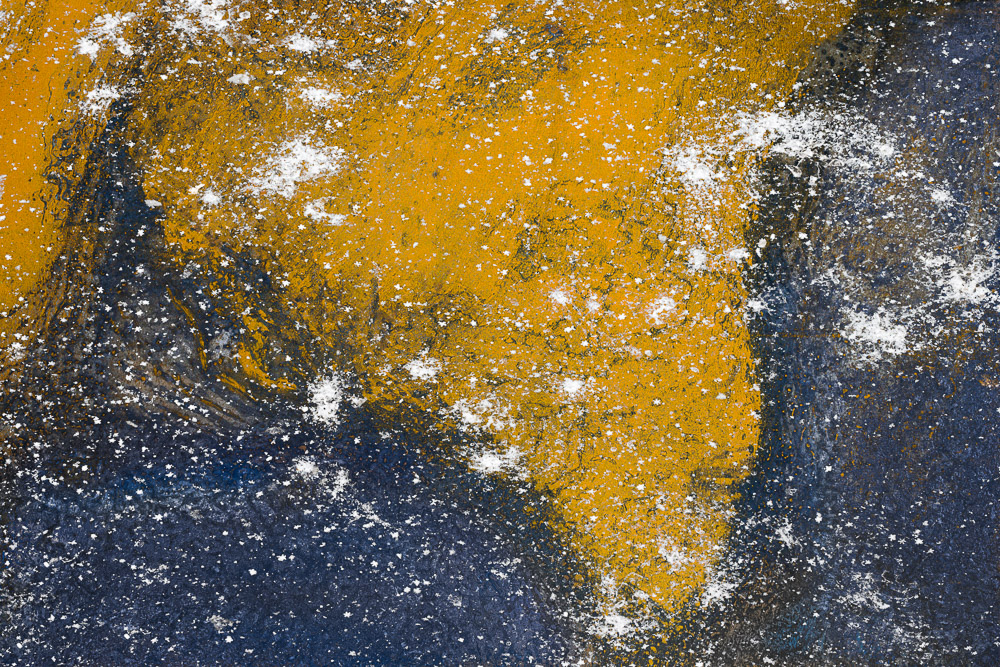
    This is me starting to let go. A little. It seems like a pretty conventional aerial image. But of someplace you don’t recognize. Looks can be deceiving.

    Sometime I may describe what it is.

  • Not A Spectator Sport

    Not A Spectator Sport

    For most of us, I believe photography is not a spectator sport. We only learn a little by watching other work, even great photographers. Photography is craftsmanship and creativity and vision. These have to be developed. Watching only helps a little.

    It’s a first person experience

    I have written before about life and our art not being a spectator sport. To me, this is still strongly true. But I’m taking a slightly different direction here. Many of us take workshops or watch videos to observe other photographers taking pictures. I watch a lot of videos, but I have to realistically ask why. What is gained by it?

    The reality is that we do not learn our art or develop our vision by watching someone else. Unless they are an exceptional teacher. But even then, it does us little good until we have internalized it and made it our own style.

    Craft

    Photography is a craft. Any craft has to be learned and then practiced over a long period to master it. So I’m not saying there is never anything to be learned by watching another practitioner work. I’m just saying that it is a somewhat dangerous act. We must be careful what we are taking in.

    Some instructors are good about talking us through what they are doing and thinking. Giving us insight into their thought process. This is very beneficial. As long as we carefully examine what we are learning and deciding what to keep and what to leave.

    The basic craft aspects of photography can be learned, to some extent, by watching a good instructor. Then we have to practice, and practice, and practice… Repetition, evaluation, mistakes, trial and error practice that teaches us how to do the craft. So there is a little instruction then a lot of self-teaching.

    It is easy to make the mistake of trying to mimic a teacher. We respect them and are in awe of their ability, so we want to be just like them. Don’t do that. They have their vision, we have to create our own.

    Creativity

    Our art is not really ours if we are just copying someone else. The instructor we admire and copy may be very creative. Doing the same thing does not make us creative.

    Maybe I’m wrong, but I have studied this a long time. A good instructor may inspire us to be more creative, they may challenge us, they may give us some good ideas, they may even give us some hints how to do it. But we cannot achieve creativity by watching them. It has to come from within.

    Cole Thompson was tempted to copy the style of artists he revered, especially Ansel Adams. He famously started the idea of “Photographic Celibacy” – never looking at other photographer’s work. I think that is going too far. We can learn a great deal from studying other people’s work. But it worked for him and it emphasized the danger of copying other artists.

    We don’t have to be celibate. But we do consciously have to maintain our own identity. Follow our own interests.

    Vision

    What we express with our art is our own vision. We each have a unique vision, unless we are slavishly copying someone else. A tendency when we are starting out is to try to copy someone, because we are insecure. We don’t think we have developed a “vision” yet.

    I think Chuck Kimmerle insightfully captured the essence of it in an article in Nature Vision Magazine #1: “We can’t discuss style without mentioning vision. The two are related but vastly different. While style is fairly easy to describe, vision is much harder to define. At its core is who we are as individuals: our experiences, lifestyles, likes and dislikes, politics, spirituality, family, priorities, and so forth. Our soul. It is the story of our lives, a personal diary if you will, and is what makes us unique. Vision is what drives our style. Unlike our personal style, our vision rarely changes.”

    This vision influences and comes through in the work you produce. We can’t help it. That is one reason why several photographers can be out together shooting the same area at the same time and produce a variety of different images.

    So don’t worry that you don’t have a vision. You do. The trick it to let go and let our vision express itself. Don’t be concerned about it being different from what other artists do. Eventually you will recognize yours.

    Who are you learning to be?

    So watch other photographers and get what you can from them. But never loose sight of who you are learning to be – you.

    Just this morning I watched a short tutorial on an aspect of Lightroom editing by a good instructor. He was very good about describing why he did every step of the process. It was a little valuable. But overall my internal dialog was “nope, nope, that’s interesting, not the way I see it, not the result I would try to get”.

    Was he a bad instructor? Not at all. He is good and quite well known. Was is a useless genre? No. He was editing a landscape image. that’s reasonably close to what I do.

    So why did I reject a lot of what he said? Because I am pretty confident in my craft and vision. I can watch another photographer and not be intimidated or pressured. This is because, for the most part, I have learned to be me. I know what I want to achieve. I appreciate picking up tips on doing the craft better, or easier ways to get to the product I want, but no one is going to (very easily) convince me to become something I’m not and don’t want to be.

    How do you learn?

    So how do you learn? Do you intently study a master and “try on” their style for a while? Do you study basic theory, such as composition, design, color, etc? Do you go to workshops where the instructor shows you where to put your tripod and what settings to use and how to set up your shot to get the same results he got?

    Any or all of this and anything else you do is fine, as long as it works for you. But never forget the purpose of studying is to learn to be a better you. Not a knock-off copy of someone else. No matter how much you admire them. Personally I would shun experiences where the instructor seems intent on making you a copy of them.

    Most of us are self-taught. That is, we do not have a fine art degree with a specialty in photography. We learn through various formal or informal methods. Make the most of it. Learn from every opportunity you get. But you will grow fastest by getting out and working and evaluating and learning from the results. Pick up ideas and techniques anywhere. But don’t ever forget the goal is to grow as an artist and find your own path.

    So is it true that photography is not a spectator sport? Well, that’s a little bit of click bait. Be a life long learner. Eagerly watch other photographers work. Listen to what they say. But discard what does not apply to you. Never forget the goal – be you.

    Today’s image

    I couldn’t find a single image that illustrated this idea of “not a spectator sport”. I guess because I have always believed it and gone my own independent way. This image was chosen because maybe it shows that, if you are in a place like this at a time like this, shoot! Don’t watch someone else. Make your art.

  • Color Perfection

    Color Perfection

    At the risk of sabotaging potential sponsorships from the color matching industry, I suggest some of us obsess too much about color. There is a difference between color perfection and color correction and color as an artistic decision and color as one of the processes we deal with. Know why you are doing it.

    Obsession

    Photographers seem to be obsessive about a lot of things. Color is only one of them. But we have color equipment manufacturers (arms merchants?) and blogs and videos constantly preaching to us that we must have a perfect color matched system from our camera to the final print or our work is amateur.

    This all sounds logical and authoritative, so we buy into it. And it can get expensive.

    So we buy colorimeters and special color corrected monitors. We make sure we have proper profiles for the printer and paper combinations we use. We even buy special systems to color profile our cameras.

    Now we can be confident that our wildflower picture exactly matches the colors of the flowers in the wild.

    Why?

    Why are we going to all this trouble? Does it really matter so much?

    Maybe, maybe not. It depends on your needs and values.

    All the steps to color correct your workflow are generally good. But unless you are doing product photography, it may not matter as much as you have been told. A corporation cares very much that the company logo exactly matches it’s color standards and that their official color pallet is correctly used.

    But if you are shooting landscapes, is it critical that the color of that leaf is the exact match of the leaf you shot? Or is it more important to match your memory and your preferences?

    My attitude

    I am not a purist about this. Actually, I am less and less a purist about anything as I evolve in my style. Any work I do is an artistic interpretation. I have no problem with changing colors if it gives me a more pleasing image. More pleasing means I like it. It has nothing to do with the match to the original scene.

    But I do it deliberately and intelligently. To do that, it is necessary to have control over your color process. And without a controlled color process your results are not repeatable. What comes out of your printer is likely to be wildly different from what you see on your monitor and different from session to session.

    That is chaos. You cannot reliably create your art. It is unprofessional and unsatisfying.

    But you need to have a color managed work flow

    It is important to color manage your workflow. That is not the same thing as obsessing about color perfection.

    Every month I calibrate my monitor with my trusty old obsolete i1 Display Pro colorimeter. And I print using proper profiles for my paper and printer. This gives me pretty repeatable colors. The biggest problem is keeping my monitor brightness low enough to match the prints.

    So far I do not find it necessary to profile my camera. Since I only shoot RAW, I can “re-profile” the images at will. And Lightroom Classic’s Camera Landscape profile is usually a good start for most of my work. Now days there are lots of profiles to try out to get a color starting pointl

    Overall, the biggest problem I have is dealing with printer gamut issues. Some of my work is highly saturated. It is disappointing when these images do not look as good as what I see on my monitor.

    Black & white

    The outlier in many parts of photography is black & white. Is it important to color manage black & white images? It seems wrong, but I would say yes, it is. It may be more important than in images that will stay in color.

    In color images, we look at the color, obviously. We tend to be pretty tolerant in what we accept as reasonable. But in black & white we only see the color indirectly through the tone relationships of the print.

    The colors are mapped to monochrome tones and shades. This makes it important to precisely control the color relationships to give separation of the tones. We may need to distinguish between fine shades of green, for instance, to give body to the b&w print. More than if the print were in color.

    What I do to the color may look strange if you saw it in color, but the important thing is the precise control required. This makes me believe color precision is more important in b&w than in much color work.

    Conclusion

    Have I confused you? I seem to have said color perfections is not important but you have to have a good color balanced workflow. Yes, that is right. Learn to live with ambiguity. 🙂

    My work is art. Everything is an interpretation of what I saw or felt. I usually do not care if the colors are “true”. They often intentionally are not.

    But it is very important to me to control and repeatably achieve the results I want in the final print. This requires understanding how to color balance my process and how to use it to achieve my vision.

    For me, color control is part of a repeatable process, not a commitment to absolutely match a scene.

    Today’s image

    This is Texas wildflowers in the spring. They really are like this, and in great bands over much of the state. Go there in the spring sometime. Spring in Texas wildflower country is about mid March through mid April.

    This is an accurate representation of what you will remember when you are there and see them. Is it totally accurate color? Probably not. Don’t know; don’t care. If you’ve been there, you will say “Yes! That’s what they look like!”.

  • Sustainability

    Sustainability

    Sustainability is a common buzz word these days. It is applied to everything. Every company and product claims it. For this, I’m going to redefine sustainability from an artistic point of view.

    Creative sustainability

    As artists, we live on our creativity. Do you worry that the well may dry up? What if your creativity goes away?

    If we produce hard, do we use it up? Or is the engine somehow fed by using more? Is creativity a “sustainable” resource or does it get used up?

    Since this is the core of what we do as artists, it is natural to worry about it. Probably all of us at some point have concerns that we may use it up. What would we do then?

    So, an ongoing concern for many of us is, should we ration and conserve our creativity so we don’t use it up? Is it even possible to conserve it?

    Sustainable creativity

    I don’t believe creativity actually gets used up. It is like a good well that always seems to be full when we need it. If anything, creativity thrives on being challenged and used. It seems like the more we call on it, the more there is.

    But is it sustainable? I think so, but we can be our own worst enemies. If we keep doing the same stuff over and over we get less creative. When we try to stay in a safe rut, there is less need to exercise creative. We’ve done it all. Many times. It is a major challenge to apply new creativity to repeating the same things.

    Unless we are following the lead of where our creativity wants to take us, we risk getting stale. When that happens, we seriously fear we are not creative any more. And we are right.

    That doesn’t mean our creativity is gone. But if we do not give it free rein to take us in new directions, it stops challenging us. For all practical purposes, our creativity is them used up.

    Creativity is like a good friend. It will be there for us, but we have a responsibility to nurture the relationship. If we ignore it, if we do not make time for it, it will eventually give up on us.

    Burnout

    Everyone goes through cycles. Creativity, and everything else in life, can ebb and flow. That is natural. But burnout is an extreme. It is a depressed state where it can seem impossible to ever again do the quality of work we want to do. It can persist for months or years if we let it.

    I know. I have been there. There was a time in my career when I worked long hours for years in a job that was not fulfilling. It caught up to me. I crashed. I pulled back, working less hours and not being as satisfied with the quality of my work. Eventually, by changing position and increasing the creativity of my role, I became productive and happy in my job again. It was probably a 3 year process.

    In burnout, it seems evident that creativity must be unsustainable. That’s not true, though. It is not creativity that lets us down, it is the other parts of our context. It is important to manage our lives and environment if we want to stay creative.

    Creative stimulus

    Like an athlete trains constantly, we must exercise our creativity to stay on top of our game. Everyone’s needs are different, so it is impossible to lay out a plan for you to follow to do it. You have to figure that out for yourself.

    I can provide some creative stimulants I have seen and used. Consider them. Try the ones that seem to fit you. Develop your own methods.

    I will just bullet point some of them. Each could be a topic on it’s own.

    Read. And not just the same old stuff. Read new things. Read things by people you disagree with. And also read some light stuff just for fun.

    Study something new. Don’t plan to get a PhD in it. Just learn something about it. If you like it, go deeper. If not, try something else.

    Write

    Go back and review your old work. Put together a new portfolio.

    Go to a museum.

    Travel to a new place that is NOT a major iconic photo location.

    Put blocks of time in your calendar to do nothing. Turn off your phone. Let your mind wander. Doodle. Look around. Intentionally be unproductive.

    Spend time with friends, just living life.

    Take your significant other out for a nice and unexpected meal.

    Find things that make you happy, but that are not just entertainment. Try to do more of them.

    Take walks, with and without your camera.

    Just do it

    The theme here is to fill your mind with new information. This connects in strange and unexpected ways, leading to who knows what. And to give yourself space and time to just think, ponder, consider, unwind. The more pressure we put ourselves under, the more it shuts down creativity.

    And like the inspired Nike tag line, “just do it”. Get out and work. Take pictures, Don’t worry so much about the results. Going through the motions is comforting and leads to results. Eventually. Creativity is not just inspiration, it is a process.

    Relax and try to de-clutter your head. Follow your instincts.

    Is creativity sustainable? I would say definitely. It is one of the most important traits we have as artists. We can consciously take actions to keep our creativity healthy and flowing. But we have to listen to ourselves and recognize what our needs are.

  • It’s OK to be Uncomfortable

    It’s OK to be Uncomfortable

    I recently read an article from a photographer who admitted he sometimes doesn’t stop to take a picture he wanted because he was afraid of what people would think. I understand that. I have been there many times. But I have come to the conclusion that it’s OK to be uncomfortable.

    What will people think?

    You’ve probably been here. I know I have. You are driving down a crowded road and you see a scene you want to photograph. But we decide not to pull off and get out the equipment because we would look foolish standing there beside the road taking a picture. All those people going by would think we’re weird.

    The reality I have learned, though, is that no one thinks about you as much as you do. That is a fact. We overestimate our importance. We will be more free and inventive if we stop worrying about what they may think.

    People go about their dreary lives almost totally focused on themselves and their needs. If they do momentarily notice you, even if they criticize you, you do not know what they are really thinking. Most often, they are responding to something in themselves. Because they do not really care about you.

    I love this quote from Susan Sontag: I envy paranoids; they actually feel people are paying attention to them.

    And from Olin Miller: You probably wouldn’t worry about what people think of you if you could know how seldom they do!

    If that random person driving by thinks you are doing something foolish, so what? How did that affect you? Did you feel it? Did it hurt? No. You do not know what they are thinking and besides, you are doing your art, not theirs.

    The anxiety we feel is internally generated.

    Attract attention

    I understand. I’m very introverted and I am uncomfortable attracting attention. An interesting dynamic because of where I live is that I do attract unwanted attention sometimes.

    In my area there is a lot of wildlife, such as elk, deer, moose, bear, mountain lion, bighorn sheep, pronghorn, etc. I guess I am missing the right genes, but I have little interest in them, other than to observe them. I almost never take wildlife pictures. But if I am setting up to take a picture beside a road, it is not unusual for people to pull off and eagerly ask me what I see. They seem so disappointed when I point to a tree. It’s actually kind of funny.

    And for the occasional street photography I do, I am one of those people who wants to be totally anonymous, unseen. It is uncomfortable when someone “catches” me taking their picture.

    They won’t like me

    So what do I do about this fear that people will think badly about me when I’m out shooting? The right answer is, ignore them. Easier said than done, but that is true of much of life.

    I have learned to try to put them out of my mind completely and get in the zone focusing on setting up the shot I want. Generally this works. Replace the negative concern of fear with the positive action of taking a picture.

    But even if it doesn’t work, more and more I come to the realization that I don’t care what they think. I am not trying to get them to like me or post a Facebook note about how much they admire that photographer they just passed. I don’t care.

    The results I get in these situations validates and justifies my callous “don’t care” attitude toward them.

    What are they going to do to you

    Let’s say some of the passing people give you enough attention to say to themselves “that’s dumb”. So what? What happened? Did you feel it? Did they throw a rotten tomato at you? Did they stop to get your name and take a picture of you to post on Facebook to shame you?

    Of course not. Absolutely nothing happened. They went on down the road and immediately forgot about you. If they were stopped 20 miles later and asked, they probably wouldn’t remember someone standing beside the road taking a picture.

    This is the quandary: we fear what people might think, but the reality is they don’t bother to think about us. And even if they did, it has no effect on us.

    Do what you need to do

    If you do what other people do, you get the results that other people get. – Bill Miller

    We are artists. We see things differently. That means we do things differently. Other people cannot know what our vision is at any moment unless we tell them or show them. Showing them is typically what we do.

    So do what you need to do to make your art. Do not be concerned about what anyone may think about you. First, they probably don’t. Second, it doesn’t matter. You have art to do.

    If you were embarrassed taking the picture feel doubly joyful when you see the great result. You can say to those people passing by who you imagined felt you were silly, “see what you missed”!

    Get over it

    I hope I have encouraged you to forget about your fear of people’s opinion and go for your art. Art is action. It is only an idea unless we create something.

    Act while you feel fear rather than waiting until you feel unafraid. – David Richo, in How to be an Adult

    How sad it is to think about what could have been a great image, except we were too embarrassed to stop and take it. I have done it both ways. I have passed by and regretted it and I have overcome my fear and stopped and usually been happy I did.

    I am old and calloused enough to believe now that I shouldn’t be overly concerned about what I think other people may be thinking. It’s OK to be uncomfortable. If being uncomfortable is a price for making our art, that is what we have to do.

    Courage is resistance to fear, mastery of fear – not absence of fear. – Anon

    To you who have never been intimidated by other people’s opinions, congratulations! You have a talent most of us do not have. Use it well. Don’t be an ass.

    Today’s image

    Do you like this image of the vast Utah plains? I do. It is not a result of trekking hours across the barren desert, watching for rattlesnakes. I took it in a rest stop on I-70, right next to the restrooms. It felt uncomfortable at the time, but I loved the scene and had to take it. At this point, I don’t recall the discomfort. But I still like the image.

    When you see something you like, stop and take it, unless it is dangerous or you have higher priorities at the moment, like a critical appointment. There are some things more important than our art. Not many, but don’t ignore them.