An artists journey

Tag: creativity

  • A Private Journey

    A Private Journey

    Being an artist is a private journey, but one the viewers are invited to participate in. I don’t collaborate or take votes to guide my journey. It is just me. It is intensely private.

    Private

    I have to make my own way in the world. As such, I am stuck in my own head. Creativity has to somehow spring up from within. Being an artist is lonely. LIke a writer, there are those terrifying times when you are facing a blank page (or empty frame) and you have to create something. No one else can do it for me.

    Not everyone agrees with this approach. Some people, especially if they are young and just learning, want to run in a crowd. They have to immediately post every image to social media to get feedback. To me this is a form of insecurity. My values and style is deeply ingrained and I do not seek immediate validation from the internet. But that is just me.

    What works for me is to explore, to be receptive to what I encounter. I seldom have a detailed plan for what I want to shoot. Rather, I turn myself loose and let myself be drawn to scenes that interest me. It doesn’t always work, but that is what inspires me. The word that keeps coming up is”me”. Not in an egotistical way, but in the sense that I am the only one who can take this journey. If it wasn’t me it would be someone else’s art.

    I also find, and this is just me, that when I put pressure on myself to “have” to come up with something creative the results may be good but they are seldom great. But when I let go and just react and experience then creativity can flow. Understanding this about myself has let me keep my art constantly being a joy.

    A journey

    Virtually all my subjects are collected outdoors. It is extremely rare for me to set up a controlled indoor shoot. So a shoot for me involves movement. I have to leave my studio and get out in the field where my subjects are.

    This is a joy for me. I am an explorer. It is hard to pass a road I haven’t seen the end of. As an example, just a couple of days ago I was exploring up along the border of Wyoming. I went down an obscure dirt road I knew was a dead end, but I had never been down it. It was great! I loved the sights, the remote wildness, the windswept barrenness, the newness. It was fresh. Something I had not seen before. It energized me. Even if none of the images make it into my portfolio, it was well worth it for me personally.

    But a journey doesn’t have to be far. I do a lot of shooting while walking around within a mile or 2 of my studio. Journeying is an attitude. A sense of exploring and investigating. It is sometimes difficult to feel a sense of discovery in an area I have been over and over so many times. But that is part of the game. It is a mental discipline. If I can find new and fresh sights in a familiar area then it is even easier to get inspired in an interesting new place.

    Viewers

    It is true that my art makes me happy. If I never showed it to anyone I would still have the joy of creation and discovery that would compel me to make it.

    But artists are also somewhat egotistical. We feel we have something worthwhile to share with other people. I hope those who see my work enjoy it and can share in the sense of wonder and amazement I felt while making it. I’ll be honest, I also hope you decide to buy some of my prints for your walls. The money is nice, but even more is the knowledge that this had an impact on you and that it will now continue to influence you. We all would like to leave a legacy.

    I know your time is valuable and increasingly scarce. I seek to make art that is captivating enough for you to give me some of your time to view it and think about it. I hope my art will awaken some new thoughts and feelings that will make your day better, to refresh and renew you. I like to feel that some of my pieces on your wall will have a long term benefit as you see them every day.

    Internal and external

    My art is a private creation of my own mind and energy. I do not collaborate with others or shoot assignments. What energizes me is exploring and finding wonder in the everyday sights around us. I may work a project or a theme at times, but mostly I let myself be drawn to whatever is exciting me at the moment. I am very much in the moment when I am creating, even when working at the computer.

    Even though my art and my process is intensely private and personal, I also have the viewer in mind. I am constantly reaching for something creative and fresh to share with my you. If you give me some of your time and attention I want to give back. I hope I can succeed with you. It is my private journey but I want to share it with you.

    Go to my web site at photos.schlotzcreate.com to view a little of my work and let me know if any of it resonates with you. Please join me in my private journey. I welcome your feedback.

  • Light

    Light

    Maybe it seems silly to talk about light and photography. It seems obvious. But light is one of the things many photographers obsess about, worry about, plan around. Good light, bad light, golden hour, etc.

    As photographers we need to need to be very aware of light. We cannot make photographs without light. The light we have at any given time strongly influences the pictures we make. Let’s talk about awareness of it rather than trying to tell you what light you should or shouldn’t use.

    “Good” light

    Good light. Ah, the holy grail. Many people search for it all the time. I know photographers who will not take their cameras out unless the light is “right”. Sometimes, I confess, I do it myself. You know, its a blizzard out, I won’t bother. The light isn’t right.

    This very elitist view is unfortunate, but people come to the attitude honestly, because that is what many instructors teach. They say you have to research a location, find the exact right time of year and angle of light for a particular landscape subject. Then hope the weather cooperates on the one hour window have you allowed yourself to shoot your subject.

    And “golden hour”, the prime time for all outdoor photographers. Many people are taught that it is worthless to even try to shoot after the sun has been up an hour and until an hour before it sets. Learn to think different. You are needlessly limiting your opportunities.

    If your thing is shooting portraits perhaps you prefer an overcast, soft light day. This makes gentle, even, predictable light for excellent results. No doubt, but how many of those ideal times do you have? And how many good opportunities do you miss because the light is not exactly the way you want?

    “Bad” light

    Photo instructors teach, or at least imply, that there is bad light that should be avoided. The harsh light of midday is a prime example. It is made to seem that no self respecting photographer goes out to try to shoot when the sun is high overhead. The shadows are harsh and the light is flat and boring. At least, that is what they say.

    Or maybe it is a uniformly overcast day with a bright but featureless sky. Terrible we are taught. There is little tonal separation and the sky is flat and boring. You can’t shoot good landscapes then.

    Or after sunset when there is no direct light and the exposure times are getting long. That is another time people pack up their equipment to leave.

    Or even if you are shooting in midday (shame on you) but you forgot to being your 11 stop neutral density filter to being the light levels down enough to do a 10 second exposure of that waterfall to streak the water like you intend. That must mean the light is bad. Or…

    Adaptable

    OK. If you have held on this long you will probably get that I’m suggesting that light is not good or bad, it just is. Use the light you have. Embrace it and figure out the best way to use it. In most of the examples I cited above the photographer had a fixed expectation of what they wanted to see and shoot. If the light did not match their expectations, it must be “bad”.

    Most of us do not have the resources of, say, National Geographic funding our shoots. If we take a trip to a location we have been wanting to photograph, we can’t just hunker down and wait it out for a week or 2 if the weather is not what we wanted. We have to be flexible and adaptable.

    If we get to our location and it is closed for some reason, we cannot change that. But we can find something else maybe even more interesting. Same with the light. Figure out what works right now. What you end up with may be better than what you planned.

    Try practicing this flexibility. It is a great creativity exercise. An attitude and practice is what Jay Maisel calls “going out empty“. That is, leave your expectations at home. Just wander around and learn to see things that are interesting. Things the light works for. Things that excite you. In doing this you develop the skill to be able to work with what you have before you. To let the conditions, including the light, guide what you do. But no matter the conditions, to be able to make interesting pictures.

    Street photographers are probably better at this than most of us. They have to be adaptable. Light not working here? Move. Can’t find the subject you had in mind? Get interested in what is there. They are used to letting their creativity guide them to good shots.

    Awareness

    I’m afraid too many instructors train their students to be internally focused. To have a preconceived idea of what they are going to shoot and to reject anything else. There are certain times when a fixed idea of what you want is required, but for most of us, it does not have to be the normal pattern.

    I encourage you to instead be aware of the light, of the surroundings, of the activity or the scenes around us and flow with it. Use your creativity to make something interesting out of what you find rather than coming home disappointed because you did not find exactly what you intended.

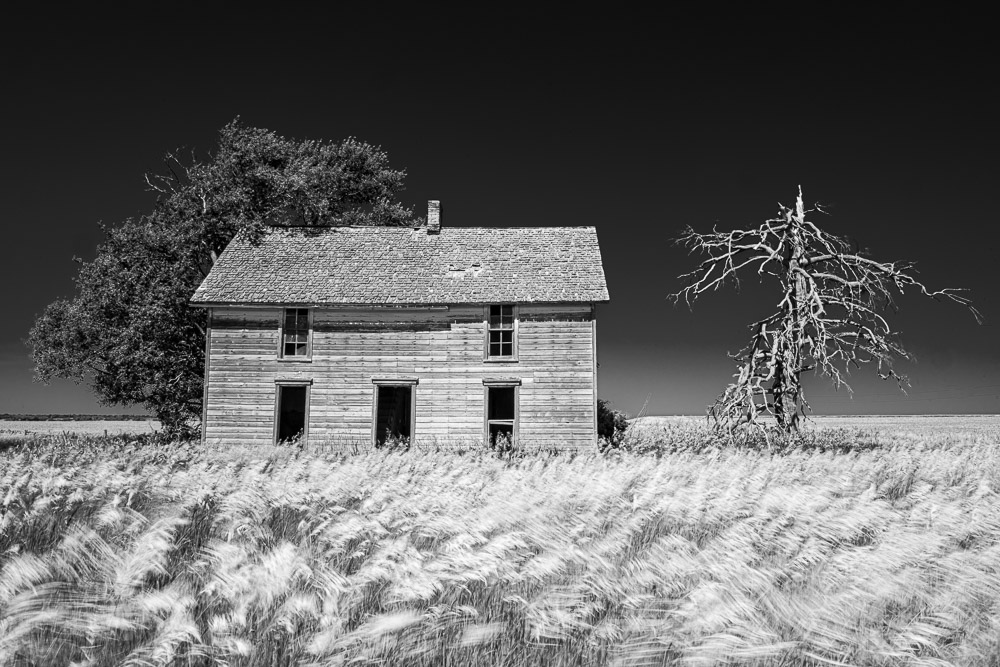
    Take the photo at the top of this article for example. Midday, flat light, hazy, featureless sky, not what I would usually look for. But I think this works. 🙂

    Maybe it is too far of a stretch, but it seems to be an attitude of gratitude. Be thankful for what you have and learn to find surprises that delight everyday. Who knows where it will take you?

  • Inspiration

    Inspiration

    Inspiration, or lack of it, is a fear and concern for almost all artists. If we’re not feeling inspiration right now we fear we’ve dried up and our days as an artist are past. If we’re awash in inspiration we may feel overwhelmed.

    I’m mostly going to discuss the lack of inspiration, since that is what we typically fear.

    Be open

    If “the muse”, or whatever your view of inspiration is, doesn’t seem to be hanging out with you, what can you do? My experience is be patient and spend your time wisely while you’re waiting.

    Open yourself to stimulus. Take a walk. Read a book. Watch a training video. Look at another artist’s web site and/or blog. Visit museums or galleries. All these things can energize you and refresh your spirit. We are all different in our makeup, so what works for me might not work for you. That’s OK. Keep trying things until you find something that pumps you up.

    Creativity exercises

    When your “normal” work doesn’t seem to be going anywhere, it’s a great time to do some of those personal projects you have wanted to get to for a long time. Do something different. Something outside of your normal style or subject matter.

    It’s a complete no risk venture. If you decide it is a complete failure, fine. Now you know. Write that one off and try another. Jay Maisel once said “If it’s not working, go have a good glass of wine and then try something else.” But if you love the results maybe you have learned something new about yourself. Maybe it will stretch you and even take you in a new direction. Doing something is better than doing nothing.

    If you are a traditional landscape photographer, try something like street photography. It will be so different that it will make you reevaluate a lot of things. If nothing else it should be refreshing.

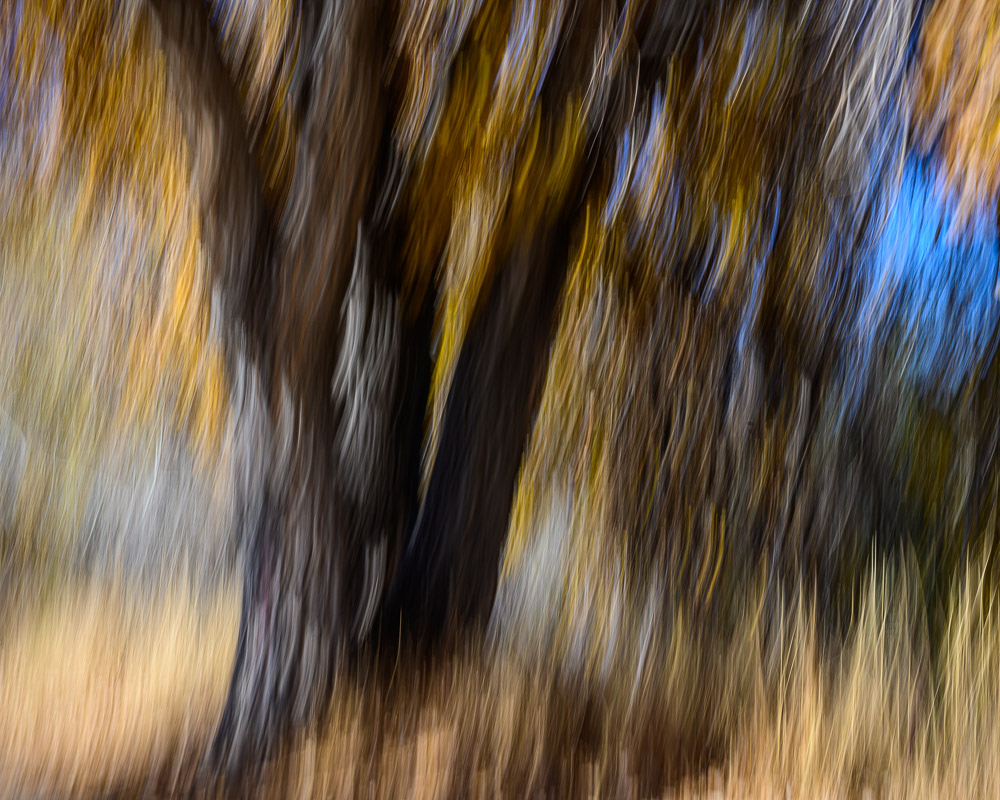
    Do you pride yourself in tack sharp, crunchy, high detail shots? Great. I love that, too. But spend some time doing blurred images. Do handhelds at slow shutter speeds, even introducing intentional camera motion. No, really. Try it. You may see whole new opportunities and new creative possibilities.

    I have talked before about exercises like going out with one lens. Give it a try. It forces a new thought process on your creativity. You will have to reevaluate some things about your composition and style. Some of them may influence changes. But even if not, it is something fresh and different that may energize you.

    A sense of wonder

    My work is strongly influenced by a sense of wonder towards the world around me. Honestly, sometimes I don’t feel it. The wonder and inspiration is gone. What can I do? I can’t make interesting images if I don’t feel excited about things.

    One thing is to give myself permission to acknowledge that I’m in a slump. I am very lucky to be what is called a “fine art” creator. As such, I don’t have to perform on schedule. Clients do not contract me to create something to their specification at a certain time.

    That is not accidental. I spent a long career working for other people and having to be driven by external demands. When the opportunity came, I re-molded my life to give myself freedom. I realize this may not be possible for you, but I’m being honest about my situation and the options I have.

    Giving myself permission to not have to create takes a lot of pressure off, but not all. I really don’t like not feeling wonder. It is frustrating and sometimes scary. I get impatient, wanting to move on NOW. Part of what I have realized is that patience has to be balanced with action.

    Confidence to wait

    Over many years of experience, I have learned that inspiration will return. It is important to develop the confidence that you are creative and that the feelings will return, probably even better than before.

    If you were creative in the past it did not just get used up. Creativity is not a fixed quantity that you exhaust. It is a skill and an attribute of our wondrous minds. But life is cyclic. You have ups and downs. sometimes you have to just “hunker down” and ride it out. That implies being content to wait, to be patient. You can do that if you believe it will come back.

    I believe there are things we can do to open us up to allow the creativity to flow again, but we cannot force it. If we try to force it we will get frustrated and disappointed and afraid. It will seem like the more we try to make it happen the further away it is from us.

    Giving yourself permission to not have to do the greatest work of your career today does not mean sit and not do anything. Action is important.

    Put in the reps

    As I said earlier, I believe there are useful things we can do to open ourselves to feeling the inspiration again. Things like going for walks or going to museums or looking at the work of other artists. And creativity exercises can help to stimulate our subconscious.

    But a simple and often overlooked thing is to “just do it”. Practice, practice, practice. Put in your reps. Don’t worry if you are not producing masterpieces. A great basketball player will spend hours a day in the gym just shooting baskets and practicing layups. That is not “game level” intensity. But it trains the muscles to do the right thing. That builds confidence and mastery over time.

    At this point, though, don’t overthink the problem. That will make you freeze up. Let it work itself out. I often quote Jay Maisel. One of his quips is “Don’t overthink things in front of you. If it moves you, shoot it. If it’s fun, shoot it. If you’ve never seen it before, shoot it.”

    Magic happens

    I find that when I make myself get out and do something, it is like the basketball player who can do well in the game because he did the practice. For me, the click of the camera shutter is a kind of magic. It is a sound I subconsciously associate with creativity and making images. Things often start to flow, even when I did not feel “in the mood” going out. Even if they don’t, it is good for me to be out practicing.

    So inspiration is not the end all. No inspiration does not necessarily mean just sitting in our room moping. Get up, get out, do something. If you are moving and taking action you are much more likely to start feeling inspiration. You don’t have to do your best work every day.

    To close with another Jay Maisel quote: “If you are out there shooting, things will happen for you. If you’re not out there, you’ll only hear about it.”

    How do you deal with slumps of no inspiration? Let’s talk!

  • Copying

    Copying

    Most people would say that copying is wrong. They would acknowledge it as plagiarism or even intellectual property theft. Yet successful things are usually copied. This could be visual art or books or products or fashion or almost anything. Less creative people copy the work of more creative ones.

    I’m not going into the plagiarism issues except to say that reproducing someone else’s art as your own without attribution or acknowledgment is always wrong. Give credit to the originator.

    Copy to learn

    We generally start out copying artists we admire. This helps us to perfect our craft and analyze how they created the work. We can study their composition and lighting and equipment choices and editing to see the decisions a good artist made. It is educational and can be enlightening. When you are learning something new I recommend copying examples you admire at first.

    Don’t stay here. It should be a learning experience that you quickly move on from.

    Studying and even copying other artists helps you build your mental catalog of scenes, ideas, tips, how-to tricks, possibilities, and aesthetics. They are all parts of the wonderfully complex experience of developing your own style. Your style will contain elements of other artist’s styles, but only pieces. Not a direct copy.

    Don’t copy, steal

    Picasso famously said “good artists copy, great artists steal“. Steve Jobs also quoted this frequently. It is believed Picasso meant that a good artist will only copy what someone else did but a great artists will adopt (steal) the parts that resonate with him and incorporate it in his own art.

    This gets at the myth of creativity that deludes many people. The reality is that there is little true creativity in the world. Anything we create builds on things we have seen other people do. Accept that. Use it to your advantage by being more open about stealing bits from others. How you modify it or combine it with other ideas is what makes it your own.

    I struggle with cynicism, but the idea that there is little true creativity is comforting. It takes off the pressure to feel like I have to come up with something so “out there” that nothing like it has ever been seen in the world. I can’t do that regularly. I don’t think many can.

    However, I can be quite happy with an occasional “wow”. If I can surprise and sometimes delight myself and my viewers, that is enough. That is creativity.

    Who do you want to be?

    Don’t waste time trying to be someone else. When we copy, we are just being a pale shadow of them. It is not really us. What audience are you trying to win praise from? The only praise that really counts is our own.

    Is this egotistical? Maybe. But at some level all artists are egotistical, because we feel we have something worth sharing with the world. I believe that if you don’t love what you are doing you will not persist in trying to share it. Being an artist is hard enough. If you don’t really believe in what you are doing, then why do it?

    I love the story Cole Thompson shares about the hurtful critique he got that changed his life. Please forgive me for copying it here, but it is some of the best advice I’ve ever heard:

    During the last review of a very long day, the reviewer quickly looked at my work, brusquely pushed it back to me and said “It looks like you’re trying to copy Ansel Adams.”  I replied that I was, because I loved his work! He then said something that would change my life:

    “Ansel’s already done Ansel and you’re not going to do him any better.  What can you create that shows your unique vision?”

    Those words really stung, but the message did sink in: Was it my life’s ambition to be known as the world’s best Ansel Adams imitator? Had I no higher aspirations than that?

    How about you (or me)? Who are we trying to be the world’s best imitator of?

    Much more satisfying to be yourself

    I’ve been there and I am thankful that I have grown beyond it. I am completely my own person now. I look at other artists work with admiration, and with an eye to steal the ideas that resonate with me. But I am not interested in copying them. It would give me no pleasure.

    I will not be satisfied in being an imitation of someone else. I will proudly present my own art. My own point of view. Whether or not it is accepted and regarded by others I can take comfort in knowing this is me. This is my vision. It is who I am.

    So if you are copying other artists, fine. Learn from it and never present it as your creation. But move on and get to the place where you can take all those bits you have stolen from others, process them and your ideas through your own mind and spirit, and bring out something new, because it is you. You will be much happier with the result.

  • One Lens

    One Lens

    We photographers often lug around so much stuff it ends up getting in our way and hampering our creativity. Let me recommend occasionally challenging ourselves to try a minimalist approach. Start with sometimes only going out with one lens and one camera body. One lens? Are you serious?

    Yes. Some interesting things can happen if you really go with it. You learn to see in new ways.

    Which lens?

    Does it matter what lens you use? I don’t know. But probably not. The exercise is about discipline and mental training. Don’t take a 14-400 mm lens (does such a thing exist?) to make sure all your options are covered.

    Just pick a good lens. When is the last time you used that 50mm prime? Yeah. Mine is usually not even in my camera bag. That is one reason it is a good one to choose for this exercise. For many of us, our lowly, unappreciated 50mm may be our sharpest lens. Just because it doesn’t cost a lot doesn’t mean it’s not good. These lenses are usually excellent.

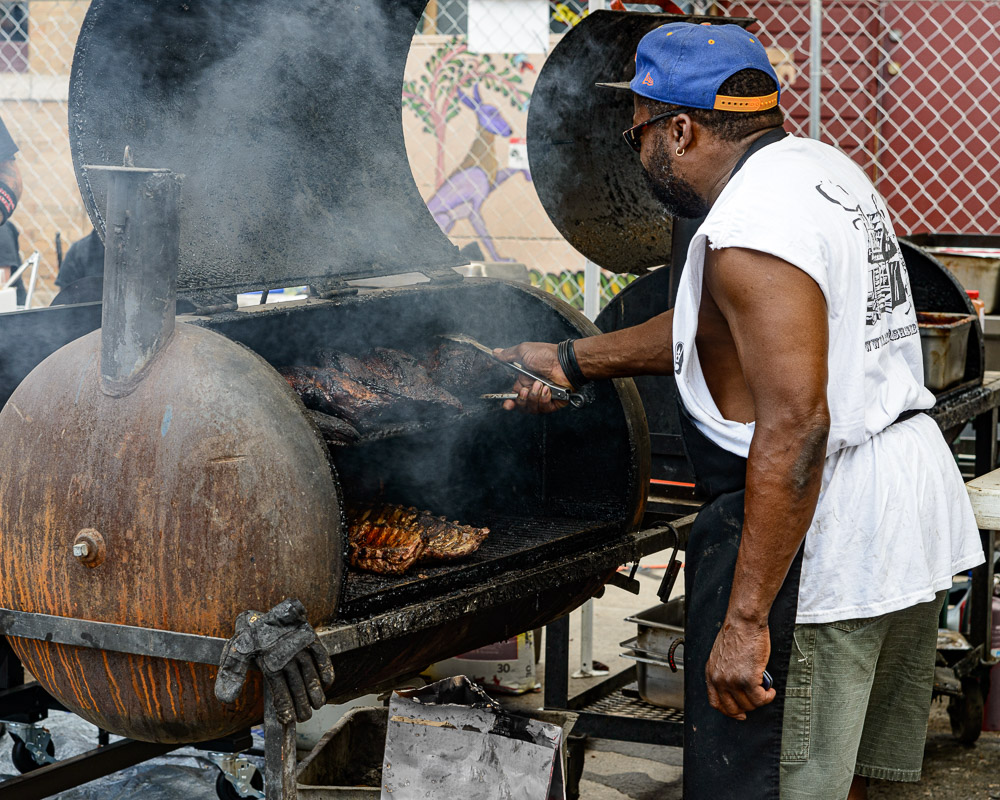
    The image with this post was taken on a “50mm-only” hike. I’m sure I would have framed the scene a little different if I had my normal zoom, but this made me think. And I like it. 🙂

    The lens is not the key, though. If you have a telephoto eye then a 70-200mm might be the answer. Better yet, maybe a fixed 105mm if you have one.

    Limit yourself

    Limit yourself?? That seems absurd. After all, as creatives we do everything we can to remove limits. To envision new things. To create.

    Much good art happens as a result of exploring the limits of a medium. If we walk around festooned with multiple camera bodies and several lenses we definitely are not about limits. We’ve got everything covered. We are confident we can always get any shot we see, right from where we are standing. That is, if we can get the tripod set up and figure out which lens to use and get it installed in time before the moment is gone.

    But if we limit our self to one lens a different mindset happens. If you’re really in the game you quickly learn to visualize the field of view the lens sees. Now we start to reframe the composition process. We work to the limits of the lens we have instead of picking the one we want to use at the moment. Now we begin to be drawn to scenes appropriate for what we have. Eric Kim says “By limiting your field of view, you are forced to capture reality into your limited frame in an interesting and novel way.”

    Limitations can actually be very creative and enabling. The composition isn’t right from here, move. Yes, actually use your feet as a composition tool. Can’t take that shot because it requires a super telephoto? Don’t bother with it. Find a better shot that works with what you have. You quickly adapt to screening out the “not applicable” things and zeroing in on things that will work. It can be quite freeing and creative.

    Get out of your comfort zone

    One of the benefits of the exercise is that it gets you out of your comfort zone. Things that get you out of your comfort zone are usually useful. They may be uncomfortable (hence the name), but they can help us to see and perceive better. As artists I believe we owe it to ourselves to push the limits and try new things.

    One very uncomfortable question is “what if?” What if I used a wide angle instead of a telephoto? What if I used a long exposure instead of freezing the action? What if I got down low and shot up to this subject? I’ve only got a 50mm lens, how can I creatively capture this subject? These kinds of explorations help us to break habits of always approaching shots a predetermined way. Consciously forcing ourselves to look at things differently is very healthy.

    See with new eyes

    This is what this is all about. Seeing with new eyes is part of what is required to be creative. We have to put things in perspective – usually a new perspective. Walk around it to see another side. Take a different viewpoint. Change the lighting. Change our approach to capturing images. As artists we owe it to ourselves and our viewers to bring something dynamic and interesting to our images. I believe we have to always be looking for new paths, new insights.

    Stretching ourselves is always good, if we learn from it. Just like stretching and flexibility exercises are good for our bodies. They keep us fit and slow down the effects of aging. Creative exercises to stretch our mind and vision is at least as beneficial. Our bodies will age regardless but our minds can be sharp until the day we die.

    But a challenge here is to learn from it. We get stretched by things that happen to us but we tend to shrug them off and try to get back to normal ASAP. But it is useful to ask what can we learn and change in our lives? It is healthy to force ourselves to stretch.

    In the same way, an exercise like restricting yourself to one lens is a mental exercise, creativity training. It can stretch us and help us get new insight on our vision. And you will appreciate not carrying so much stuff. That in itself is freeing.