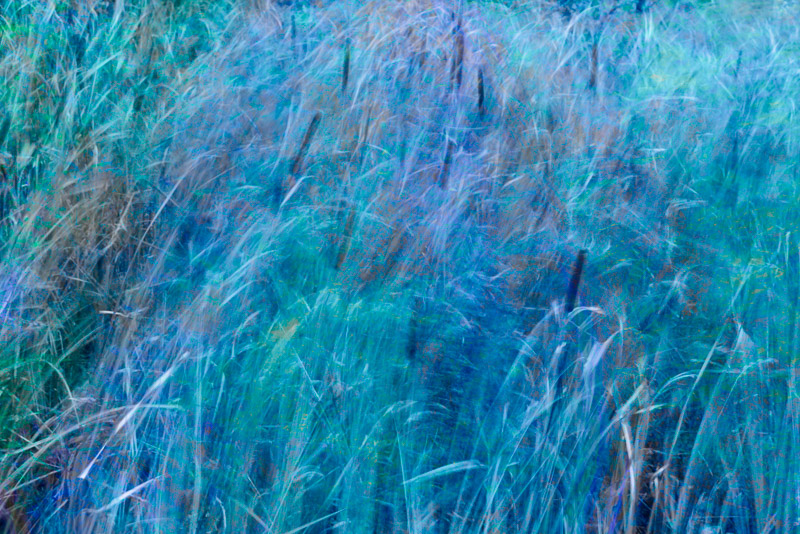
If I call myself an artist, am I allowed to take “pretty pictures”? If you look at fine art galleries and catalogs the answer seems to be no. Some would say I am not an artist if my images are pretty.
I know. I know. This is a long standing conflict. The modernists and postmodernists and surrealists and photojournalists and conceptual and fashion and even environmental activists have seized the microphone and control the dialog right now. According to their designated gatekeepers, “prettiness” is not a worthwhile reason for an image’s existence. It should have deep meaning or angst or futility or confront the evils of modern civilization.
I can’t wholeheartedly support the politically correct party line here. People are wired to perceive beauty. No, beauty is not in the eyes of the beholder. That is a silly notion. There are objective notions of beauty that most people share, regardless of race or culture – a sunset, flowers, waterfalls, mountains, the ocean, certain facial features, human bodies, etc. We are all drawn to these. Even, I believe, the most hard core postmodernist. There may not be much agreement about truth, but there is actually surprising agreement about beauty.
So if we all react to it and we share such common appreciation of beauty, why is it rejected? I think there are a couple of reasons.
First, I think the guild of artists is trying to protect their turf. Everybody who picks up a camera (or phone) rushes to take pretty pictures, so, by implication, it must not be something an artist would do. If everybody is doing it it must not be special; it must not be very valuable. Besides, if 4 billion pretty pictures are taken a day, how can I stand out as an artist?
Second, most artists want to be taken seriously. In the current vernacular this involves being gritty, dark, bland, sometimes ugly, confrontational, challenging. By going the opposite direction of the mainstream we show that we are different. Maybe that makes us an artist. We need to be elitist, above our audience and leading them.
There is some truth to all of these statements. It is necessary for an artist to stand out from the crowd in order to be seen and to make a living. Art is a business. Having a differentiator is good business.
But we should lighten up a bit. Don’t throw the baby out with the bath water. We need an edge to differentiate ourselves, but acknowledge that beauty is still beauty. I may create some totally abstract, even surreal images in the name of “art”, but I am a sucker for a beautiful sunset. I have to shoot it, even if I know I may never show it to anyone. Maybe it’s partly because I am fortunate to live in Colorado where I am surrounded by beauty: mountains, plains, waterfalls, snow, etc. Within 40 miles of my house I go through many of the major climate zones of the country, from high desert to tundra. I love it. And I shoot it. It may not be what the “serious” artists would call art, but I love it and can’t resist.
Is it really art, though? If it is art to me, it is. And if I can create something a little bit above the norm, maybe other people will see it as art, too. I take it fairly slow and disciplined, asking myself “why am I wanting to take this?” I try to come up with a slightly different treatment of the subject. But those are refinements. The truth is I may be taking the picture because it is beautiful to me.
The image accompanying this article is a minor example. I just loved it. That’s why I stopped to take it. Sure, it was the time of day, the stark old barn, the bleakness and loneliness, the composition of the cloud formations, the expanse of the Colorado plains; these and other things. But what grabbed me was the beauty I perceived at the moment. I couldn’t. help myself.
Bottom line is that sometimes beauty triumphs. Beauty is beauty and it is worthwhile even if it is not bringing any “deep” message. We need more beauty in our world.