An artists journey

Category: Artist

  • Your Favorite Photograph

    Your Favorite Photograph

    Has someone ever asked to see your favorite photograph? I have. I was frozen. There was no way to answer that.

    Your favorite

    I tend to take things too literally. This is a legacy of my Engineering background. So, when I hear talk of a “favorite” image, I think of a singular, one and only favorite. One image above all the others.

    That is what freezes me into inaction. I have far too many images that I like to narrow it down to a single one.

    When I go through my best images collection, my “favorite” will change from day to day, even moment to moment. It depends on my mood and what I am thinking about. Am I in the mood for landscapes or street scenes; waterfalls or architecture; vibrant color or B&W, realism or abstract? I don’t believe any are inherently better than others.

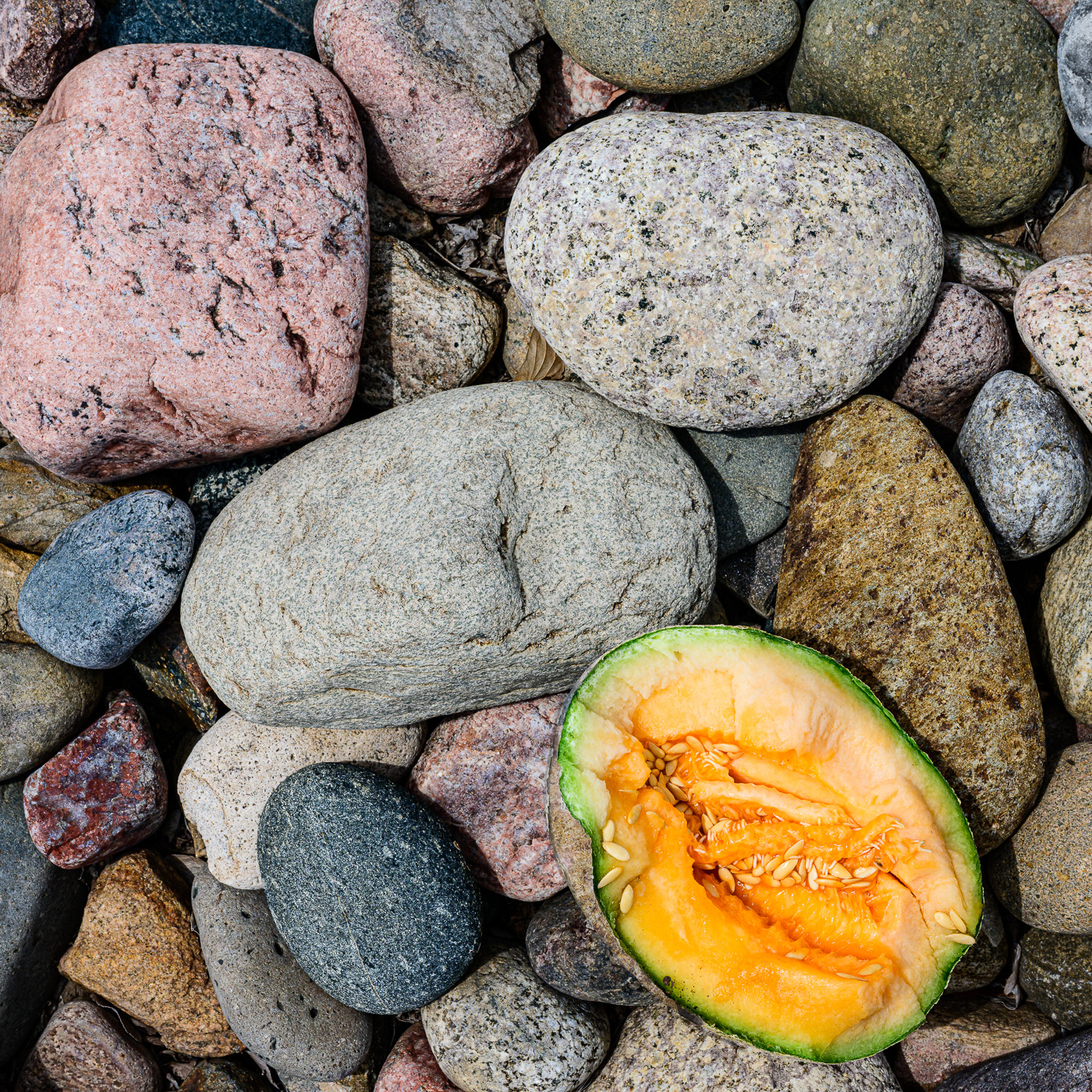
    Rock creatures©Ed Schlotzhauer

    What does favorite mean?

    What does “favorite” mean? This is where I get hung up. A literal definition is preferred above all others of the same kind, or closest to one’s heart. I can’t do that. Maybe this is a fault of mine, but I can’t choose a single above all photograph.

    My suspicion is that when talking about favorite pictures, people take a broader view of the meaning. If we extend it to say we mean it is a choice or a pick then I can follow along. I can have a lot of choice images without having to designate one as the ultimate, number one winner.

    Too many favorites

    I have mentioned my lengthy selection and promotion process for images. It’s kind of like a playoff series where images must compete head-to-head to get promoted. The difference is that it is not a zero-sum game. A winner does not mean there had to be a loser.

    That process has led to a situation I have identified: too many favorites. An embarrassment of riches.

    Right now, I am, for the first time, working through just my top-rated images specifically to cull them. I am (trying to be) brutal. These are the images I have at one time marked as my best. None of them are being deleted, just potentially demoted to a lower level.

    Terra Incognita©Ed Schlotzhauer

    Competition

    This quickly leads to 2 problems: I like them, and I probably need to tweak them.

    I like each one of them. Obviously, they have each individually earned a spot in the top group. To eliminate one of them means either my tastes have changed, or my skill has improved, or my expectations of what I want to create have changed. Or maybe I have another very similar image that can replace it.

    We are not static beings. I know my taste changes as I grow and have new experiences. This leads to some images “falling out of favor” in the overall scope of my work. I accept that. It is a good reason to remove some from the favorite category.

    Another thing I observe is that I look at some images that were favorites and realize that my skill set and/or my equipment has improved, and these are no longer up to my standards.

    My personal criterion is that I can randomly select any of my favorite images and show it to anyone and not be ashamed. I would be ashamed of some of the old ones. They’re out. It may hurt, but less is more.

    Just a little tweak

    The other part of the process that is making this take so long is that I can seldom look critically at one of my images without needing to tweak something. My tools have improved and my knowledge of how to use the tools has increased since I took a lot of these.

    Therefore, I see most images needing some correction. Some are very slight but some need more extensive edits.

    Let’s say each image needs from 2 minutes to 30 minutes of study and manipulation. I won’t give an exact number, but figure there are thousands of images in my top set. That is making for a very long process.

    But it is rewarding. I have revisited images that I haven’t thought about for years. Sometimes I must conclude they are unworthy of being in the top group. Sometimes I remember and appreciate them anew. Each one brings back memories of the time and place and circumstances. A pleasant trip down memory lane.

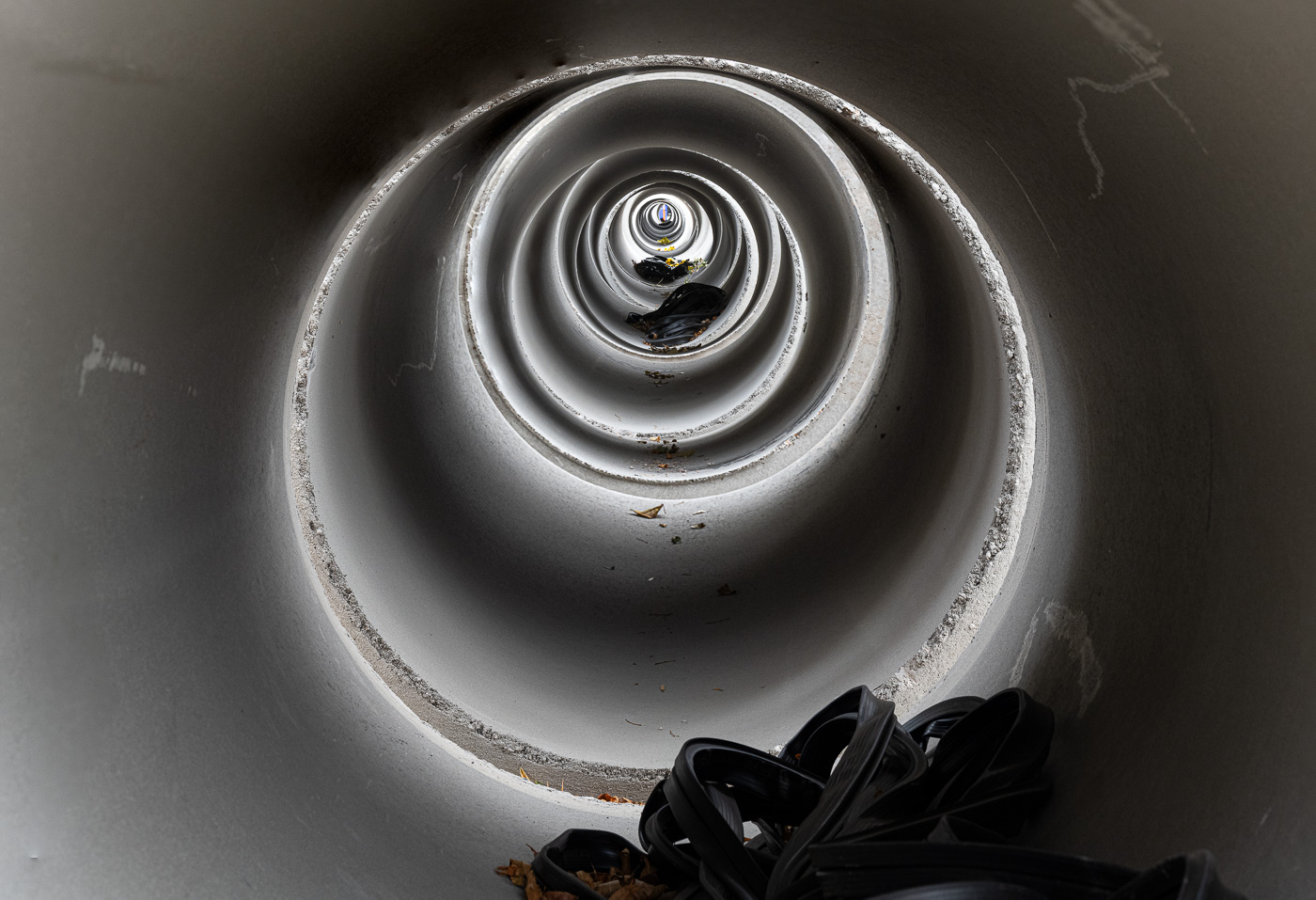
    Going around in circles©Ed Schlotzhauer

    Expectations

    Another factor is that my expectations of what I want to create is a moving target. My interests change. My values and notions of quality changes.

    These images I am culling are in my Lightroom catalog. In addition to those, I have stacks of slides and film images that go back much further. Maybe someday I will start revisiting them.

    But even over the years I have been shooting digital I can see a steady progression of what and how I shoot. Way back I was fixated on technical quality. Esthetics was not the main component of my values.

    Then I progressed to concentrating more on composition and design principles. My work got somewhat better, but in general, it was still lacking depth. It was good pictures of things, not about things.

    Now I find that I don’t worry about making “prize winning” pictures. You know, the ones designed to win competitions or get the most “likes”. I don’t care about that anymore. I try to make images that I like and that are more unique, quirky even, with a fresh point of view. Ones that express my feelings about what I am seeing. And I am turning more abstract in my vision.

    These are the ones I find myself promoting in my top collection. Images that are simply a good technical photo tend to drop out. The ones that are intensely human and obviously not AI survive.

    As I write this, I am about ⅓ of the way through my top collection. I haven’t kept detailed records, but it looks like I am eliminating about 20% of the ones I have re-evaluated. It hurts sometimes, but I must remind myself they are not being thrown away, just demoted because they do not belong here. It is said that every time you intelligently remove an image from a portfolio, the portfolio get stronger.

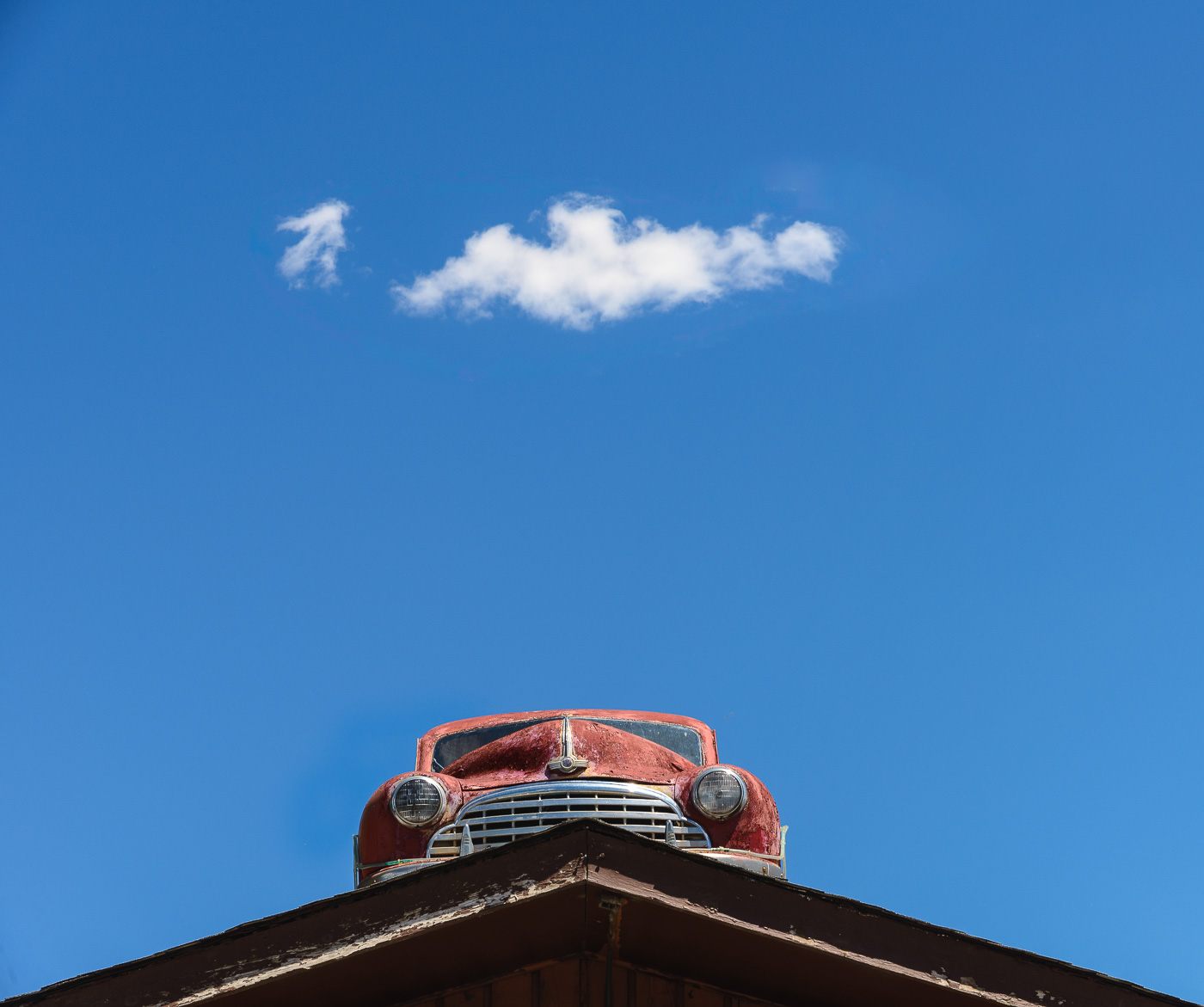
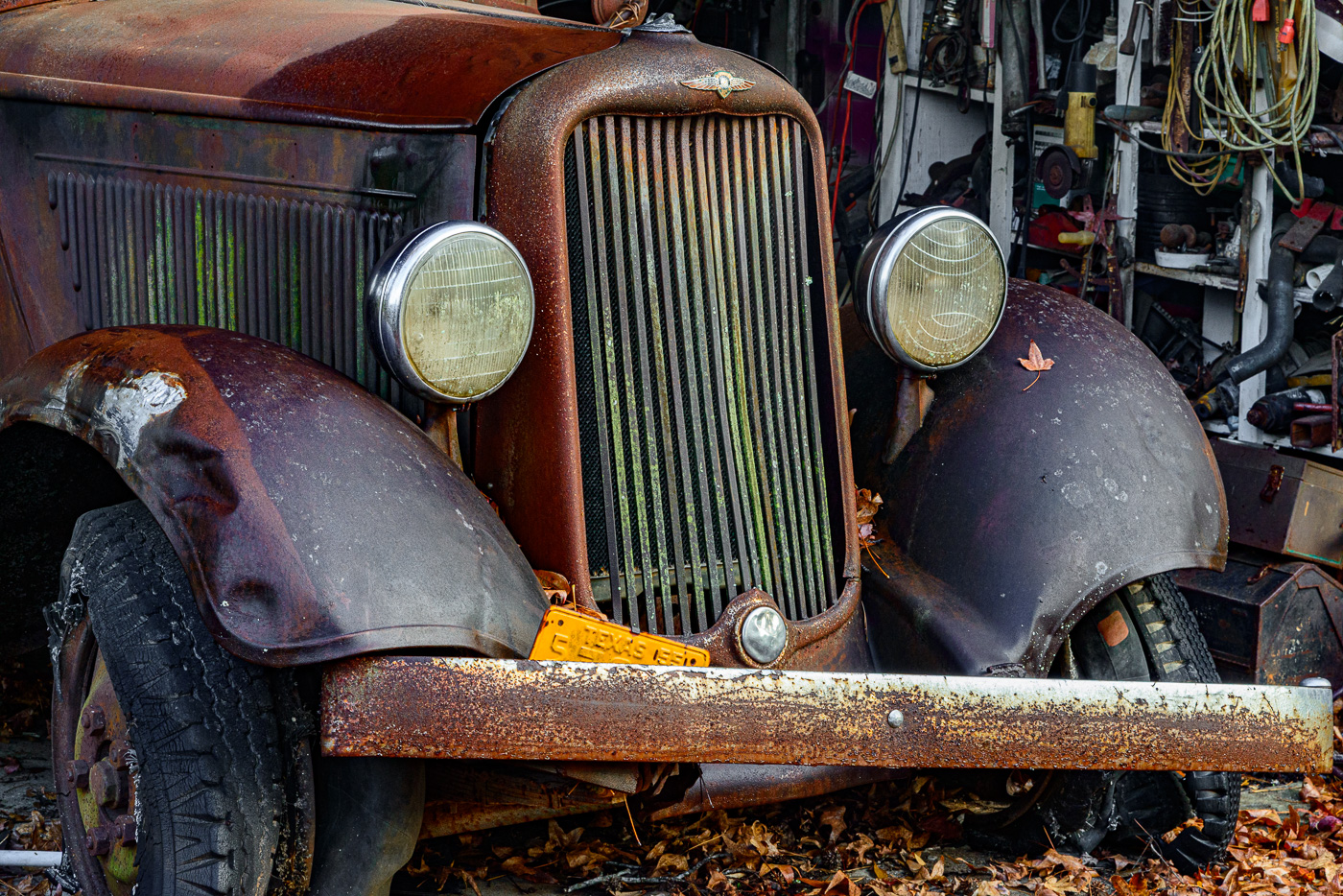
    Red barn, red truck©Ed Schlotzhauer

    Defined by 1 photo

    So, even culled down, out of all these is there a single favorite image? No. My conclusion is that I cannot define myself by 1 image. It will be impossible for me to choose the one image I hold above all the others. The one that definitively and completely says, “this is who I am”.

    The only way I could come close to doing that is if I play the game of saying to myself this is my best image – right now, in the mood I’m in, if I don’t go back and look again, but it will change tomorrow. I seldom play games and that one doesn’t interest me. I will just be content knowing that I cannot choose just one.

    Favorite photograph

    Even within the set that I consider my best images, there are subsets that I like more than others. Yes, I can have favorites within favorites. Some are just more impactful to me personally or grab my current sense of aesthetics more.

    But those favorites of the favorites may easily be dozens or hundreds of images. I do not have a single favorite photograph.

    So, if the situation comes up again where someone asks to see my favorite photograph, I hope to be more ready. Depending on the context, I might point to one of my images and say, “this is one of my favorites.”

  • Elevate Me

    Elevate Me

    Why do you view art? Is it just to enjoy it, to see what other people are doing, to get ideas? I do those, but at a slightly deeper level, it is to elevate me.

    Elevate

    I admit to being somewhat jaded about art after years of focusing on it and trying to make it. It seems sometimes that my artistic appreciation is dulled, drained. I have seen so much that it is unusual to encounter anything that excites me. It is a sea of sameness.

    I read an article that said that our dopamine sensitivity falls off 10% per decade after we get to be adults. Therefore, the things that excited us in the past don’t have the same impact later. I think I feel this in my life. I don’t get juiced as easily.

    But then it happens. Something breaks through my deadened barriers and grabs me and shakes me. An artist has created something that speaks to me, shouts to me even.

    When I thought there was nothing new to discover, I discover something new. When I thought I couldn’t get excited any more, suddenly I am – metaphorically – jumping and shouting.

    This piece lifts me up; pulls me out of the depressing sameness I thought was the norm. It elevates me. I see more clearly and can think new thoughts. I become a better person. There is reason to go on.

    Spring snow, aerial haze, minimalist©Ed Schlotzhauer

    Inspire

    An event like this is inspiring. When I was beginning to think there is nothing new and creative to be done, suddenly that depression is shaken, even broken.

    A new work like this can point the way to new ways of viewing my work. Not to copy the other artist, but as the introduction of new ideas into my thought process. New ideas are there to chase. New possibilities appear.

    It is a joy to be given the gift of new vision to see the world with.

    Fabric covered head©Ed Schlotzhauer

    Challenge

    Events like this are a challenge to us. Rather than depressing us because of the remarkable insight another artist had, it is an enticement to use it to catapult us to a whole new place. I may not want to do work at all like theirs, but something in their work shook me. Something helped reveal new directions. It gave me a glimpse of a distant place I want to find.

    I used to believe that the best creative challenges came from within. Now I see that other artist’s creativity shapes many of those challenges. Yes, they come from within, but part of them may have come from something we see in another artist’s work that reacts with something in us to germinate a new idea.

    There is an old quote I always liked but never fully understood:

    Immature artists imitate. Mature artists steal.

    Lionel Trilling

    As mature artists, we do not imitate something we see that inspires us. Copying does not recreate their work or produce new work we can be proud of. Instead, we try to isolate what excited us, distill it down to its essence, and incorporate that flavor, that scent, into our thought process. It influences our new work.

    I steal the inspiration and re-form it into something of my own. It elevates me. From this elevated position, I can see further. I can discover new things.

    Red barn, red truck©Ed Schlotzhauer

    Artist’s intent

    Where does meaning and intent come in? For me, it doesn’t matter much. I have said before that I believe I must try to bring my feelings and intent out in my images. But I have also said I believe the only thing that matters to a viewer is the feelings and meaning they derive from the image.

    Christopher P. Jones is a writer on Medium who analyzes the structure and composition and symbolism painters put into great works. His articles are very interesting, and they reveal background and levels of depth I had no idea about. It is educational.

    But, when I look at a famous painting or another artist’s photograph, all I can get is what I perceive, the meaning and depth I take from it. To the artist, it may be the deepest, most symbolic and meaningful work they have ever done. And that may be completely lost on me. Sorry, I’m rather dense. I’m not very interested in theoretical analysis of art.

    Because of or despite their intent, I may perceive something fresh and creative in the image. Something that attaches to something in me to strike a spark that might ignite a fire. It may have nothing to do with the artist’s intent. But it is my valuable takeaway.

    Artistic value is a difficult concept. But I am more an artist than a viewer. It is more important to me to develop my own creative eye than to become a more knowledgeable viewer.

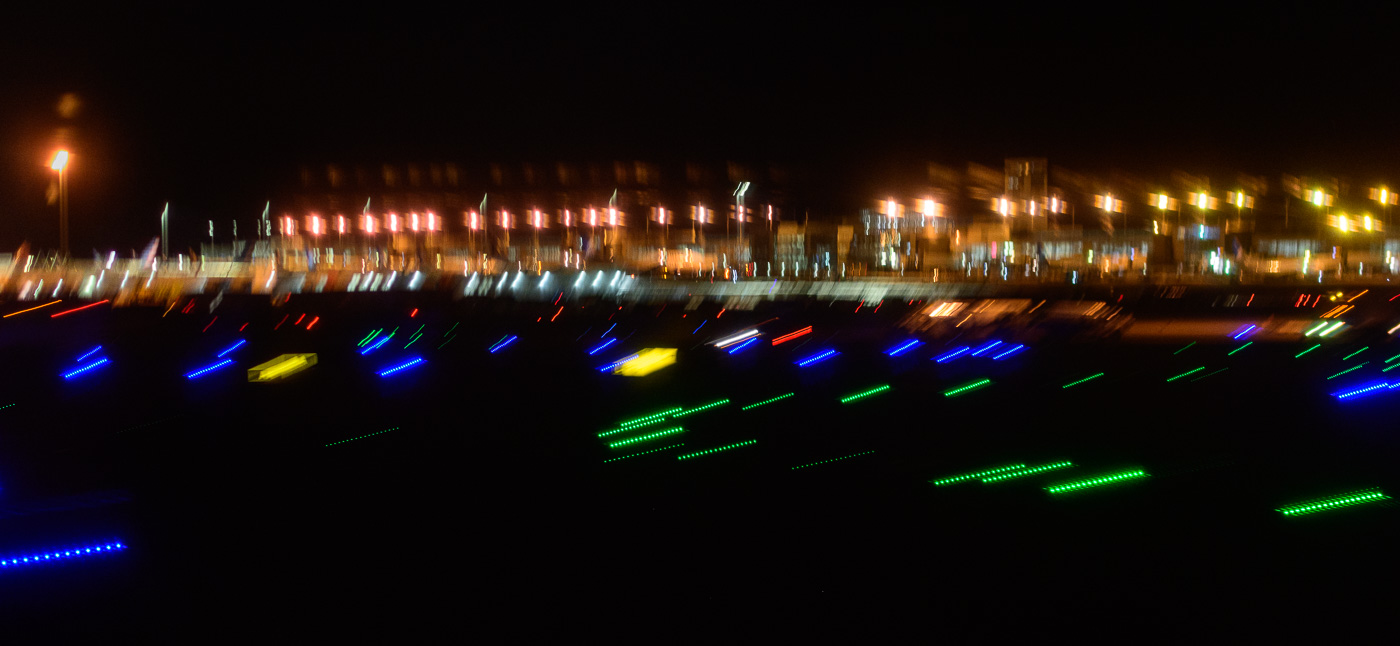
    Abstract, Charles de Gaulle Airport, Paris©Ed Schlotzhauer

    It could be mine

    I love those rare times when an artist’s image sparks excitement in me. But sometimes there are golden events when my own image does that.

    I am not being egotistical. Honestly, I take a lot of bad images. Occasionally there are some pretty good images, but only rarely does one take my breath away. Often, I do not recognize it at the moment. Most often when I am shooting, I am experimenting with camera or subject motion or working a scene to try to refine my point of view or caught up in the flow or shooting. Later, when processing the images, it may get a “hum, that is kind of interesting.” It is usually after doing some color correction and processing that the image comes into its own and starts to reveal itself.

    Sometimes there is a magical one that jumps out and grabs me. I get a chill and my breath catches. It is a rare one. It is like finding a treasure.

    What an absolute joy to find that one of my own images thrills and excites me. Something I shot elevates me. Wow. That is a double bonus.

    But whether it is one of our own images or something from another artist, great images elevate us. They make us see a new point of view on something. They give us new ideas. That makes us better artists.

  • Loud Whispers

    Loud Whispers

    Most images today are designed to explode, to attack, to shout. Are these the ones you remember? I usually don’t. I think the quiet ones, the loud whispers, have more staying power.

    Attention

    It is repeated endlessly and taken for true that we are in an attention economy. Media vendors make money by keeping people engaged on their site. So entertainment, doom-scrolling, click bait, fake news, short videos, and many other products and psychological tricks are used to hook us and keep us watching. I read that the average person now touches their phone 2,617 times a day. We spend over three hours daily on social media alone.

    A byproduct of this attention manipulation is that it changes us mentally. Many people develop a short attention span. We must be continually stimulated to keep the dopamine flowing. Basically, the companies encourage us to regress to childhood.

    Do not believe that the media companies care about art. It is just a commodity. They don’t care what they sell so long as it keeps eyeballs on their app.

    Layers of grafitti©Ed Schlotzhauer

    Photography

    This short attention span affects much photography today. Images are expected to have punch, to hook us immediately. It is believed that they should immediately reveal their meaning without requiring any work by the viewer.

    Implicit in this is the assumption that a viewer will look at an image for about 1 – 2 seconds and then go on, looking for the next exciting image. The next dopamine hit. Doom scrolling until we go blind.

    Even in a gallery or a museum, where it would be expected that people would have a higher level of appreciation, it is normal to watch people just strolling by the lines of art on the wall. Just idly considering some of them, but dismissive of most.

    Now I will be quick to say that a lot of art, including photography, can be quickly dismissed. Things that try so hard to be “creative” that they forget to be good. If it is made by or for the short attention span generation, there is little staying power.

    Sunset on the plains, two trees©Ed Schlotzhauer

    Impact

    I believe that much of the “impact” that is promoted in the attention economy is false. It’s like eating candy. There is a quick sugar rush that feels good for a minute, but it fades quickly and there is no food value that is good for you. It is actually worse for you than skipping it completely.

    The dramatic, over saturated sunset is pretty, but there is little to get from it. The classic landscape image is pretty, but it is just another wide angle shot from the same viewpoint everybody stops at. Portraits tend to be either selfies or would-be fashion shots that tend toward creepy.

    Most of these are easily forgettable. A few minutes later we don’t even recall anything about them.

    I guess the question is was it OK to put it out there just to get a few “likes”, or did you want people to engage with your image? That is a very personal question. I can’t claim there is a universal right or wrong answer.

    Spreading oak branches.©Ed Schlotzhauer

    What stays

    I have noticed, over the years, that many of my images are “nice” and people like them, but only a few leave a lasting impression on me. It would be nice to be able to give a definitive description of what makes one have staying power, but I cannot.

    Since I cannot define it, I cannot reproduce it on demand. Often, I do not recognize these images immediately. It is not uncommon for the images that excited me when I was taking them to not be ones that had this staying power. It may even be that some of these long term keepers are on the edge of being culled out during editing. Sometimes, though, something pulls at my subconscious, and I keep it until I can figure out how I feel.

    It may be days or weeks in coming, but eventually I have a mini-epiphany and recognize that there is something significant there calling to me. Or perhaps I must work with the image for a while. Crop it, change it around some, maybe see it in black & white. But at some point, a new understanding may emerge. It changes magically from a picture I guess I will keep to something I really like.

    That is like finding a buried treasure.

    Three paths. Don't take 2 of them.©Ed Schlotzhauer

    Quiet

    I said I can’t define what makes one of these images, but one thing I can identify as a frequent characteristic is that they are quiet images. They don’t shout for attention. They don’t jump up and scream “look at me!”

    Instead, they are often more reserved, almost shy. These are the ones that whisper instead of shout. These are the loud whispers. They quietly have something to say, and they know it. It is there to see, if the viewer takes the time to look for a while. The reward will come through investing the time and attention to appreciate it. I think that is the side of the attention economy I prefer.

    Fence built of skis©Ed Schlotzhauer

    Out of the mainstream

    So, maybe it is true that the attention economy. has completely taken over photography. Perhaps most people expect every image to jump up and shout and bare all in 1 second.

    I am old and out of touch. I still have this notion that a photograph must be well crafted and thoughtful. That it should be something you want to keep coming back to. You want to spend time with it and reflect on the subtle interest and meanings you find. These are the ones I call a loud whisper.

    So, I will continue to shoot a lot, to experiment freely, and to try to think fresh about my subjects. Occasionally I will discover one of these quiet gems. I will continue to go along my own path of obscurity, but content in the joy and satisfaction my work brings me. And it does. Sometimes the whisper becomes a shout.

  • Does the Image Find You?

    Does the Image Find You?

    Does the Image Find You? It is often repeated. I don’t think I agree with this. Maybe it is just a matter of semantics.

    It finds you

    I have often heard it said that the image finds you more than you find it. I can’t find a print reference, but I know Kai Hornung said it in a very good recent Nook presentation on Inspiration.

    This sounds reasonable in a Zen sort of way. And sometimes I agree with it. I know it is sometimes frustrating to go out determined to “make an image.” They don’t seem to be there when that is our attitude. But then we give up and put our camera away and suddenly images seem to come out of hiding. They are everywhere. We frantically get our camera out again and snap away.

    Was this a case of the image finding us? Or was it us taking the mental barriers away and finally being able to see the images that were there?

    Freshly filled wine bottles©Ed Schlotzhauer

    It doesn’t care

    This leads to my quibble with the quote. The responsibility is with us, not the potential image.

    My cynical nature does not believe images come looking for us. I think they don’t care. They just are there. Images don’t look for us, they just go about their life on their own terms. They are doing their own thing with no particular interest in or need of us.

    Think of scene like a child playing out in the yard. They are in their own magic world. They may be acting out roles or playing an imaginary game or just moving and enjoying themselves. It could be them following their curiosity on a voyage of discovery.

    Beautiful, meaningful images are being generated constantly while they play. Not for us. Not because of us. But they are there for the taking if we let ourselves see them and react to them.

    In moments like that, the best we can do is be aware but be careful to not interfere. Don’t get in the way or interrupt the flow. It is not about us.

    Red barn, red truck©Ed Schlotzhauer

    Wisdom of Jay Maisel

    So, if images do not come looking for us, all the responsibility is on us to find them. We must stay receptive to what is happening around us.

    Jay Maisel is one of my favorite photographers to quote. He is a rich source of wisdom.

    Here are a few of his gems that I believe apply to this subject:

    It’s always around, you just don’t see it.

    It is important to realize that the pictures are everywhere, not just where you want or expect them to be.

    Don’t overthink things in front of you. If it moves you, shoot it. If it is fun, shoot it. If you’ve never seen it before, shoot it.

    If you’re out there shooting, things will happen for you. If you’re not out there, you’ll only hear about it.

    What you’re shooting at doesn’t matter. The real question is, does it give you joy?

    You can’t just turn on when something happens. You have to be turned on all the time. Then things happen.

    Had I not been told to look, I would have quit, ignorant of what was really there, because I had “made plans” and was wearing visual and emotional blinders that limited my perception and vision.

    Try to go out empty and let your images fill you up.

    Being receptive

    From these quotes and from my own experience and beliefs I think I can safely say good photography is not a passive experience. In most cases, we can’t just sit around and wait for images to come find us.

    Pictures are everywhere, but when we try to make them happen on our schedule and to our expectations, it often doesn’t work. What Jay called “visual and emotional blinders that limited my perception.”

    When we limit our perception, we are usually going to miss the exciting things that are happening instead. And as he says, the pictures are there, just probably not where and when we expect them. Sometimes you have to turn around. The interest may be happening somewhere else.

    One of Jay’s most famous themes is that we must “go out empty.” We must put our expectations aside and be open to see the images that are there, not trying to “make” them happen. And the images are going to happen where and when they happen. We must always be ready when we’re out shooting. After they happen is usually too late to react.

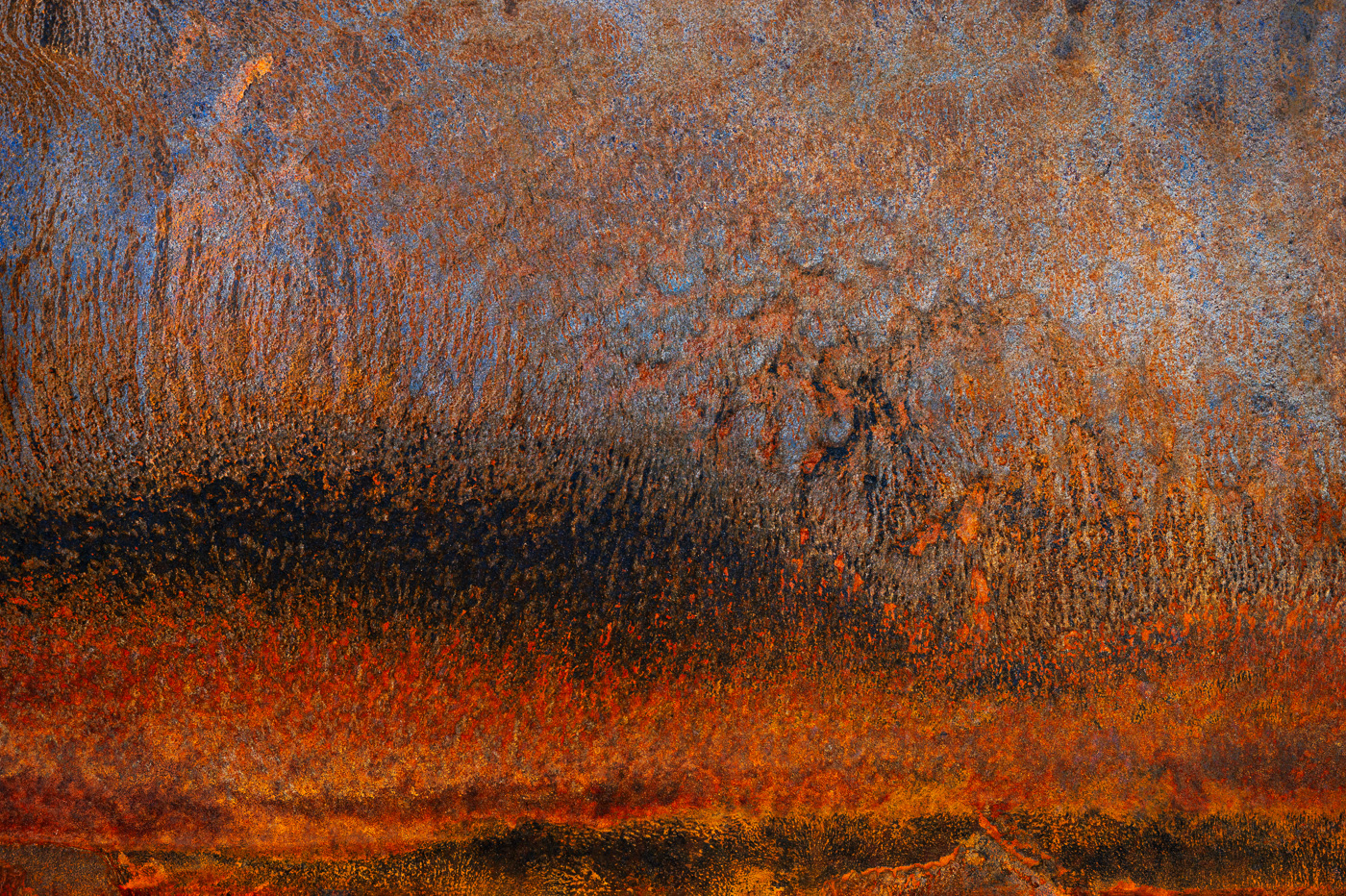
    Dancing in the Rust©Ed Schlotzhauer

    Whichever, take it

    So, whether you believe images come looking for us or you believe we must go looking for them, do it. Don’t let semantics get in the way.

    Not much advice is universal. I realize that commercial photographers always do planned and staged shots. That is not what I do so I don’t talk about it. I am just talking about what works for me.

    The rest of us who rely on everyday magic must be ready, mentally and with our equipment at hand. Be prepared to respond when we recognize that great image. Get out of your own way. See it – shoot it.

    Let your images fill you up. Collect them with gratitude.

  • Too Much Help

    Too Much Help

    Is it possible to have too much help in our photography? Are there long-term downsides to some of the technology we employ? What does it do to us as creatives?

    Photographic technology

    One of the characteristic things about photography is that it is closely tied to technology. Since the invention of photography, it has been technology based. The specialized emulsions and chemicals and techniques required training and a certain level of technical savvy.

    Today the technologies have changed drastically, but the tie between photography and technology has not changed. If anything, it is stronger than ever. Being a “serious” photographer just about requires a complex camera system, a capable computer system, and specialized training in the tools.

    The companies that make our technology try to ease some of the cognitive load by getting more helpful all the time. Usually, we welcome that. Who would not want our tasks to be easier? But we need to ask ourselves if there are hidden costs in taking the easy path.

    Leaning trees.©Ed Schlotzhuaer

    AI

    The antagonist I want to single out is what we generally call “AI”, or Artificial Intelligence. It is creeping into many aspects of our art with the promise of making our life easier or getting things done faster.

    I will be very open that I am against most uses of the things called AI, as embodied by large language models like ChatGPT. Not only in photography but most areas of life. I am not just a Luddite. I spent a long career in the tech industry, and I studied and practiced AI at some points of my career. So I have some familiarity with what it is and how it works, including a moderate knowledge of the technology within it and its limitations.

    Study of coding

    I am curious about lots of things. I enjoy looking at seemingly unrelated areas and trying to see parallels or applications.

    Many studies are starting to be done on the human impact of AI. One that intrigued me was a study of software developers in Italy and what happened when their access to AI was cut off.

    In 2023, the Italian Data Protection Authority suddenly banned ChatGPT based on privacy and security and non-compliance with European data protection laws. The effect on software developers was immediate and dramatic. Code check-in on GitHub – a proxy measure of output – dropped 50% in 2 days.

    But on further analysis, 2 very interesting things emerged: the output of inexperienced coders went up slightly while the output of experienced coders went way down, accounting for most of the drop in output.

    One of the suggested explanations is that novices were concentrating more on developing basic skills for themselves, therefore not relying on AI as much. Experienced developers, on the other hand, embraced AI to do a lot of the routine work. But the productivity booster had become a crutch. They lost a lot of the ability to do the work they used to do.

    Stark, bare aspen tree. Chaos of branches.©Ed Schlotzhauer

    Productivity tools

    I believe there are parallels for photography. At this point, I will ignore the novices just learning the craft, since I am not there and can’t think like them anymore. Let’s concentrate on experienced artists.

    Our tools constantly offer to take over more of the photographic process. Some of this is good, but not all of it all the time. I have bought into a lot of it. I don’t think my handheld light meter even works any more. And I have long forgotten how to use the manual calculators to determine exposure or desired depth of field. Now, my camera’s metering is so good that I usually trust it. And DOF, well, I can immediately see my image after shooting, so I can check it easily.

    I often use “AI” tools in limited ways. In Lightroom (Classic, the only “real” one ☺) I often use the Auto button to see it’s opinion of a good starting point. It does a pretty good job for the outdoor shots I usually take. I seldom leave its settings untouched, but it can be a time saver. Likewise, I use the manual Remove tool a lot for dust spots and distraction removal. I very occasionally use the generative remove, although it is about a 50/50 chance of it being better than doing it manually. Lightroom is getting much more capable of creating useful masks. I often use them as a starting point.

    Sunset sihlouette©Ed Schlotzhauer

    Creative rot

    But who says art should be effortless. Our tools want to take over increasing portions of our work, to “help” us and make it easy They offer to automatically remove dust spots, they provide great aid in removing distractions, they offer to distort our images to align verticals and horizontals, they offer to cull our photographs and assign keywords, etc. All these things can be helpful time savers, but at what cost?

    Like the experienced coders in the Italian study, at what point do we start losing the ability to do our own work?

    Editing, for example, is something I consider a necessary skill for photographers. I have noticed in my own work that I am now sometimes uneasy in manually removing complex distractions. My initial instinct is “that’s hard and will take a lot of time; maybe it would be better to just let the software do it”. That is a warning flag to me. I feel that I need to be skilled at doing this and confident that I can. If I cede these decisions to my tools, I believe I have abrogated part of my role as an artist. I am responsible for every pixel of my image. Software should not take over important creative decision making.

    Or take culling images as an example. I strongly believe culling is a critical part of the artistic process. Confronting our mistakes and selecting the best of a series is a necessary part of improving our work. I would rather not spend the time required to do it, but I feel I must. Without it, I am deluding myself about my actual work. I can’t afford to let the computer do it for me.

    There are too many examples to list. AI technology is trying to embed itself in most phases of our process.

    Dead tree in snow. Bent, broken, but still trying to stand.©Ed Schlotzhauer

    The other AI

    Let me pause for a moment and note that I am not discussing fully AI generated images. There are times and places to use them. They are not inherently bad. It is kind of like hiring an illustrator to create some graphics for a presentation or a graphic designer to make pictures for a marketing brochure. Those are business products, not art.

    I firmly believe that AI is incapable of coming up with creative new ideas or art. It cannot do more than it is trained on. Good art is a product of human creation. I admit that there is a lot of bad art that is no better than AI.

    Caution

    I am not going to abandon technology advances. Many of them make my life easier and more convenient. But I do intend to maintain a certain skepticism that will keep me from becoming dependent on convenience features.

    If the great automatic metering and auto focus in my camera went away, I still know how shoot fully manual. If most of the automatic aids in Lightroom and Photoshop disappeared, I still remember how to do things the hard way.

    I fear that younger photographers who have grown up with the tools do not have that fallback position. We could soon be in a position where photographers require AI tools to do their work, because they cannot do it themselves. If they have to rely on it to do their basic work, then why not allow it to do more and more. At some point, who (or what) is the artist?

    I do not believe my smarter tools have negatively effected my images or my creativity so far. I keep a watch for that.

    Or maybe I am wrong and completely out of touch. Maybe photographers are no longer required to be masters of our technology. It could be that the requirements for making an original and creative work are different from what I believe. In that case, I am just an old dinosaur holding on to a forgotten past. But I choose to believe my knowledge and experience is something AI cannot copy.

    Maybe this disquiet about too much help is one of the reasons there is a resurgence of interest in “old school” technology, like film and manual cameras. Many long for simpler days when we were more in control and closer to our end result. I am somewhere in the middle. I don’t want to give up most technology, but I refuse to be controlled by it.